Greek gardens bring the timeless beauty of the Mediterranean right to your backyard. These outdoor spaces combine natural materials, classic design elements, and plants that thrive in sunny climates. You don’t need to live by the Aegean Sea to enjoy the peaceful atmosphere of a Greek-inspired garden.
Creating a Greek garden means using simple materials like stone, terracotta, and wood alongside drought-resistant plants and traditional colors. The style focuses on balance between natural greenery and architectural features. White walls, blue accents, and earthy tones create the foundation for this look.
You can adapt these ideas to fit any outdoor space, whether you have a large yard or a small patio. The key is choosing elements that work together to create a calm, inviting atmosphere. Simple changes like adding terracotta pots, planting herbs, or installing a stone pathway can transform your garden into a Mediterranean retreat.
1. Whitewashed stone walls
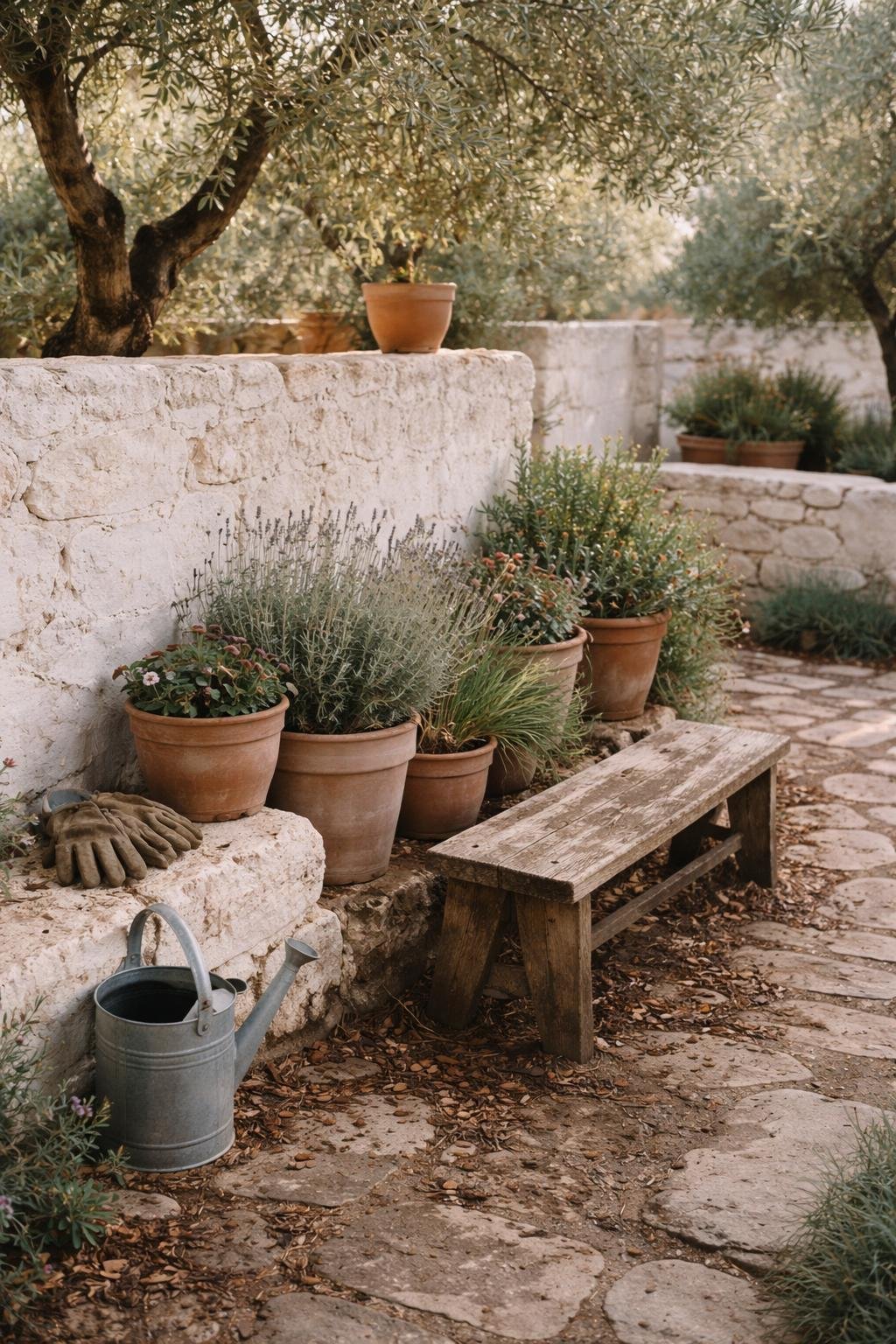
Whitewashed stone walls form the foundation of an authentic Greek garden. These bright white surfaces reflect sunlight, which helps keep your outdoor space cooler during hot summer days. The walls create a clean backdrop that makes colorful plants and flowers stand out.
You can achieve this look by painting existing walls with white stucco or lime wash. The traditional whitewash technique involves applying a mixture of slaked lime and water to stone or plaster surfaces. This creates the characteristic matte finish you see in Greek villages.
The contrast between white walls and vibrant plants is what gives Greek gardens their distinctive appearance. Blue accents like painted trim or pottery look especially striking against whitewashed backgrounds. You can also use these walls to display climbing plants like bougainvillea or jasmine.
If you don’t have existing walls, consider building low stone walls or using white-painted wooden fencing. The key is maintaining that bright, sun-bleached look that defines Mediterranean style. Regular touch-ups will keep your walls looking fresh and authentic.
2. Terracotta pots and urns
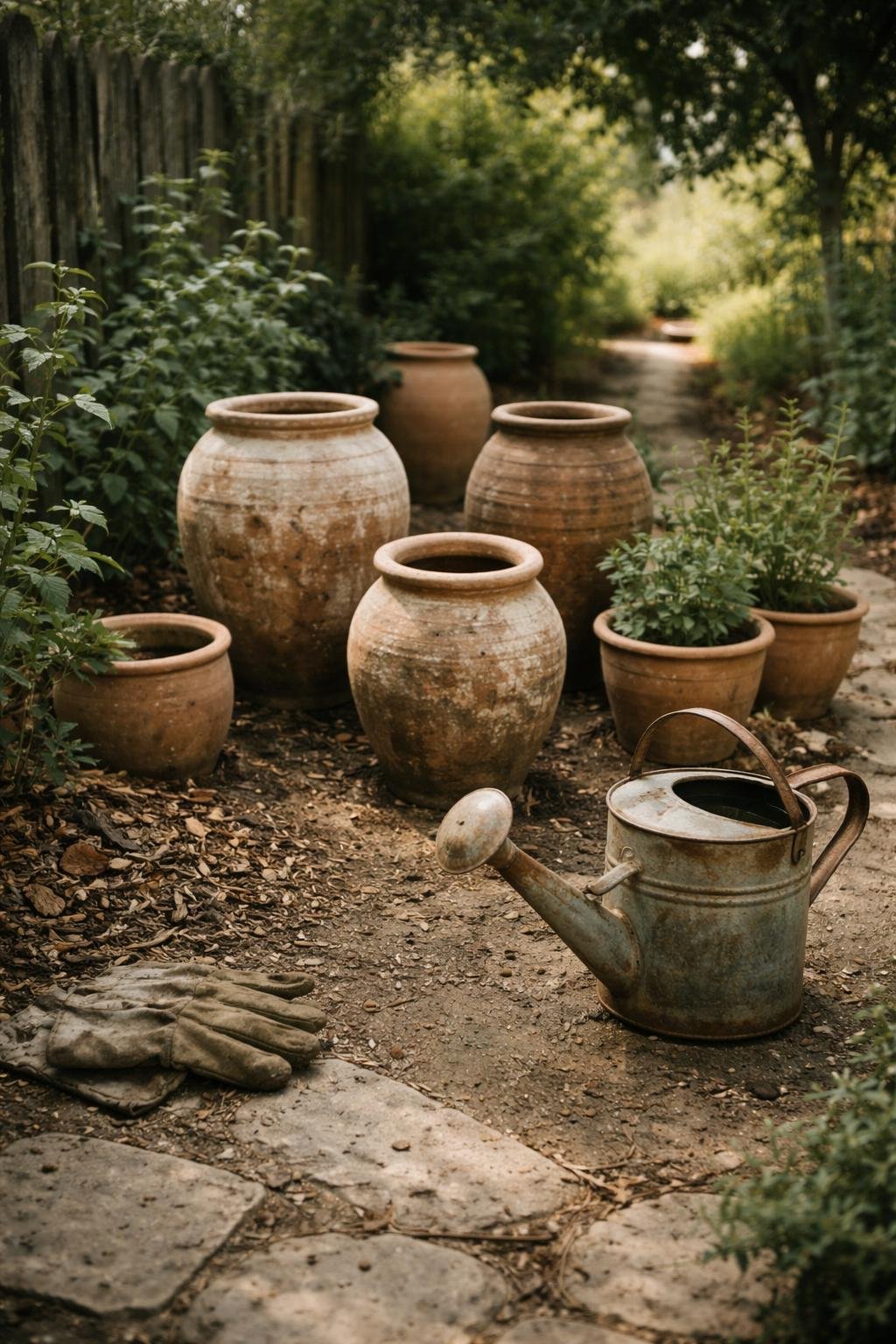
Terracotta containers are essential elements in Greek garden design. These reddish-brown clay pots add warmth and rustic texture to your outdoor space. They complement the cool whites and blues often found in Greek architecture.
You can arrange terracotta pots in clusters of different sizes and shapes. This creates visual interest and mirrors the natural, unplanned look of authentic Greek gardens. Fill them with herbs like oregano, thyme, and rosemary for both beauty and function.
Traditional Greek terracotta is made using ancient techniques. The pots are hand-formed on potter’s wheels and fired in kilns. Some authentic pieces are even fired using olive pits as fuel, which gives them their distinctive color.
Large urns work well as statement pieces near entryways or patios. Smaller pots are perfect for grouping on steps or along pathways. The clay material helps regulate soil temperature, keeping plant roots cooler in hot weather.
You don’t need expensive or elaborate containers. The modest, weathered appearance of terracotta matches the simple elegance of Greek garden style.
3. Olive trees
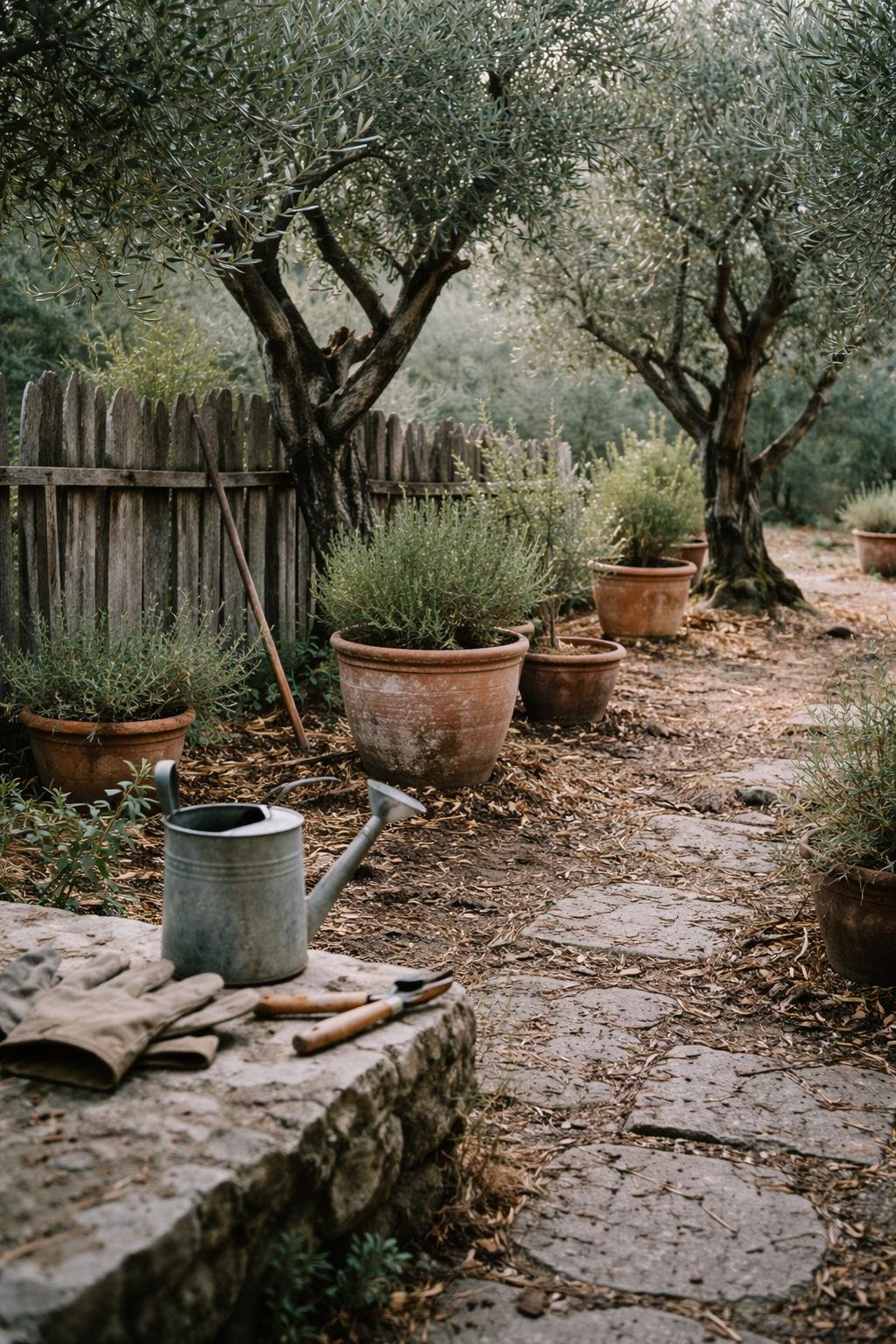
Olive trees bring authentic Greek character to your garden. Their silvery-green leaves and twisted trunks create a focal point that captures the Mediterranean spirit.
These trees work well in different garden sizes. If you have limited space, choose dwarf varieties like ‘Arbequina’ or ‘Picholine’. For larger yards, standard olive trees make bold statements.
Olive trees thrive in sunny spots with well-drained soil. They handle drought conditions well once established, which makes them practical for low-maintenance gardens. You can plant them as standalone features or group several together for more impact.
The gnarled trunk develops more character as the tree ages. This gives your garden an established look even if your landscape is relatively new. Place olive trees near patios, along pathways, or in large containers on terraces.
These trees need minimal care compared to many other garden plants. Regular watering during the first year helps them establish strong roots. After that, they require less attention while continuing to add year-round structure to your outdoor space.
4. Lemon trees
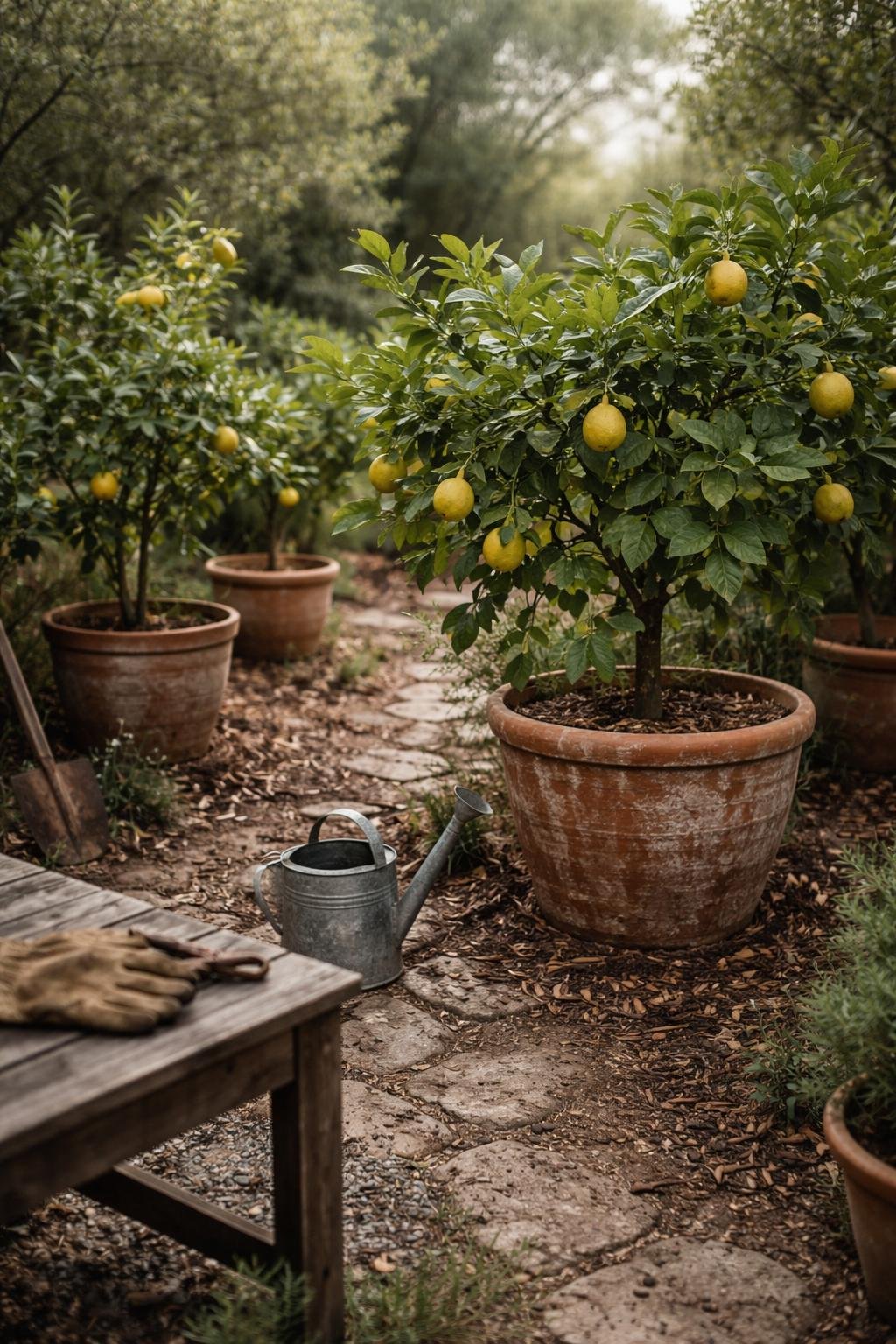
Lemon trees are a classic choice for Greek gardens. They bring both visual appeal and fragrance to your outdoor space.
You can grow lemon trees in large terracotta pots or plant them directly in the ground if your climate allows. Potted trees work well because you can move them around your patio or courtyard as needed. In colder areas, you can bring potted lemon trees indoors during winter.
The glossy dark green leaves create year-round interest in your garden. White blossoms appear throughout the growing season and fill the air with a sweet citrus scent. Bright yellow fruits add vibrant color when they ripen.
Lemon trees need full sun and well-draining soil to thrive. Water them regularly but avoid overwatering, as they prefer soil that dries out slightly between waterings.
Place your lemon tree near seating areas where you can enjoy its fragrance. The combination of aromatic blossoms and fresh lemons creates an authentic Mediterranean atmosphere.
5. Lavender bushes
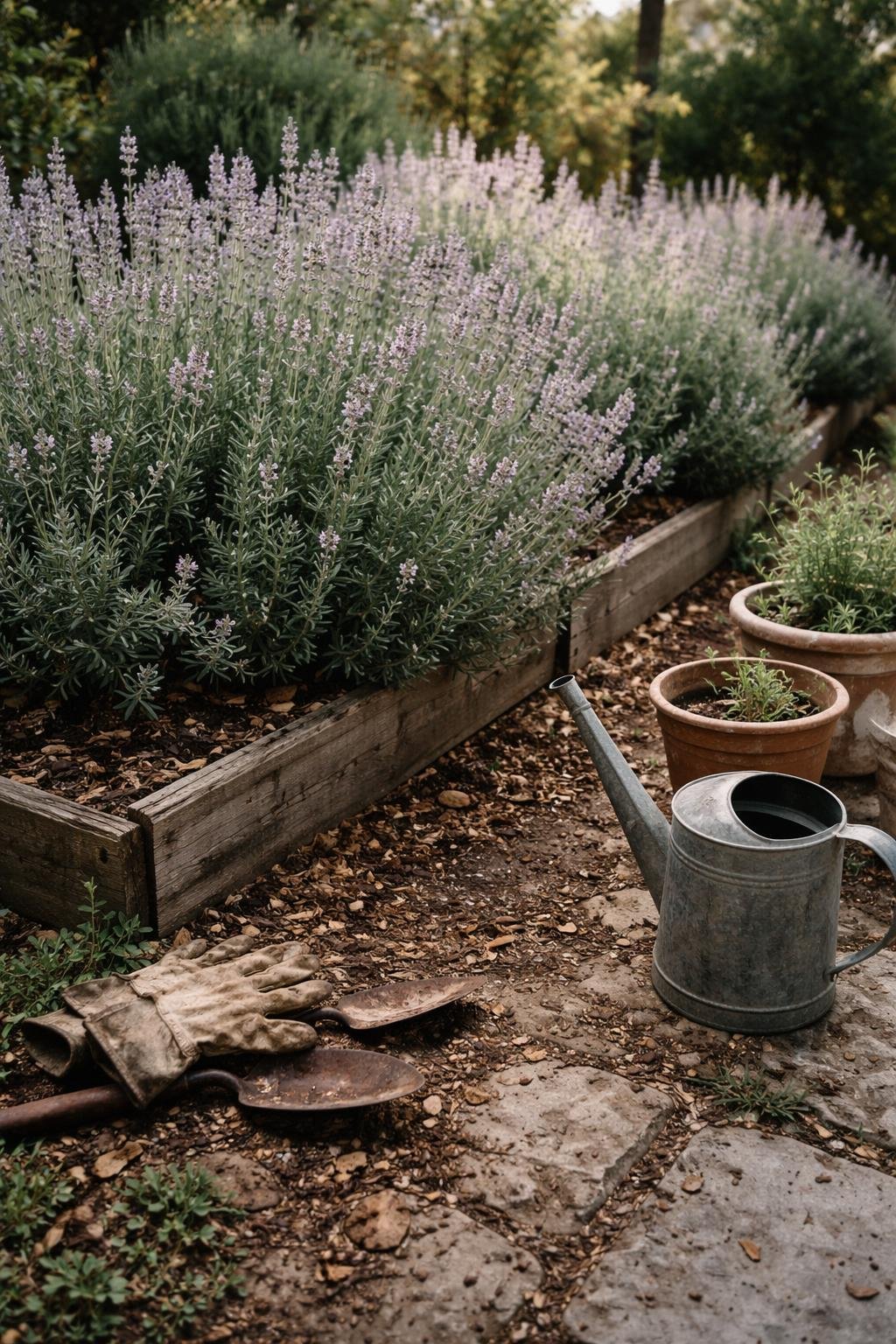
Lavender is a staple in Greek gardens and grows well in hot, dry conditions. The plant needs full sun and well-draining soil to thrive. You can place lavender along pathways, around seating areas, or in terracotta pots.
The purple blooms and gray-green foliage add color and texture to your garden. Lavender also brings a calming scent to outdoor spaces. It pairs well with other Greek garden plants like rosemary, thyme, and oregano.
Plant lavender in groups for more visual impact. Space the bushes about two feet apart so they have room to grow. You don’t need special gardening skills to keep lavender healthy.
Trim the bushes after they finish blooming to keep them compact. Lavender handles drought well once established, which makes it a good choice for low-maintenance gardens. The plants attract bees and butterflies while keeping some pests away.
You can use lavender as a natural border or scatter individual plants throughout your garden. The versatility of lavender makes it work in both small courtyards and larger outdoor spaces.
6. Rosemary plants
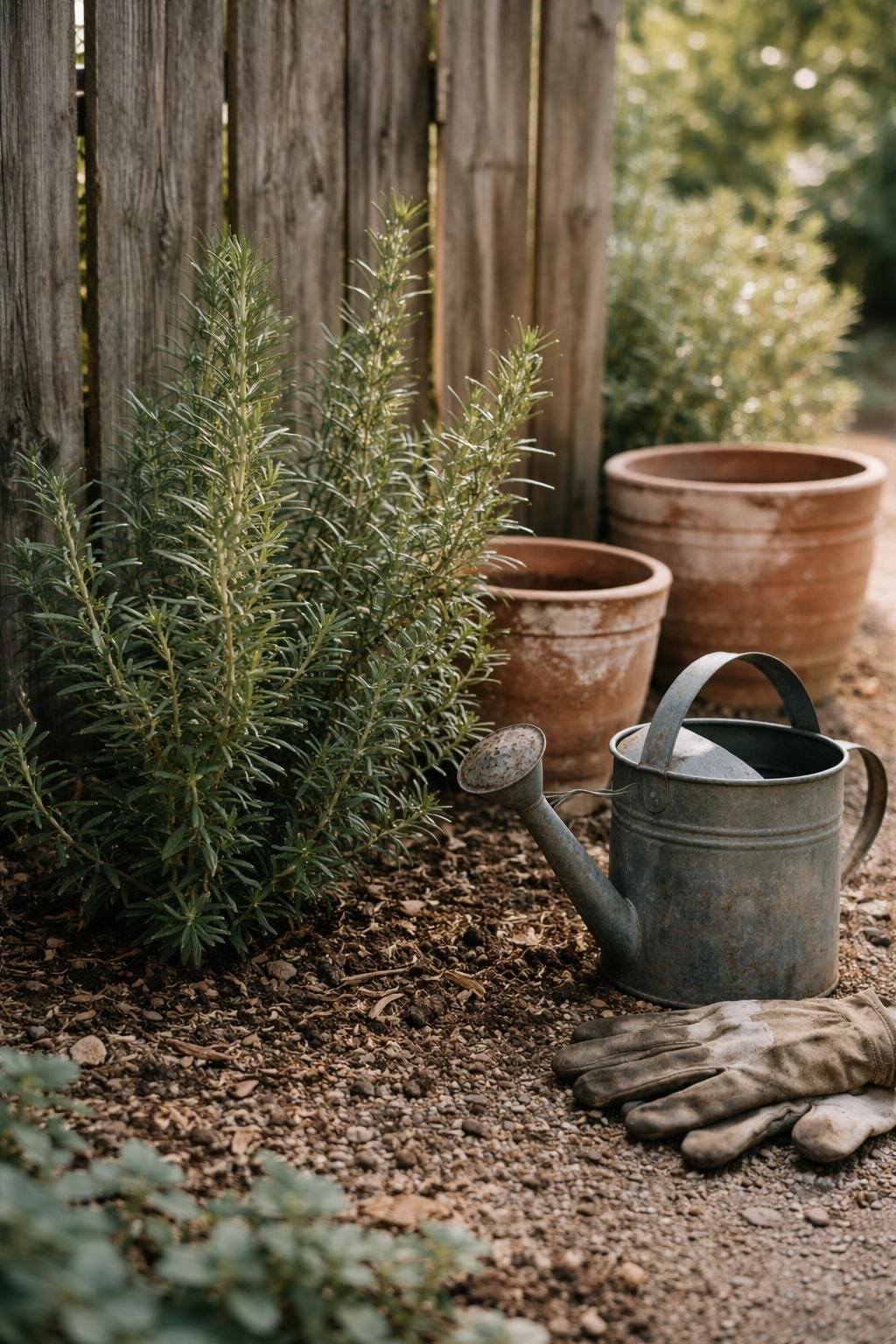
Rosemary is a classic choice for Greek gardens. This hardy herb thrives in hot, dry conditions and needs very little water once established.
You can plant rosemary along pathways where people will brush against it. This releases its fragrance into the air. The plant grows well in lean, stony soil that drains quickly.
Rosemary works in multiple garden layouts. You can use it as a low hedge to frame garden beds or plant it in terracotta pots. The silvery-green leaves look attractive year-round.
This plant serves both practical and decorative purposes. You can harvest it for cooking traditional Greek dishes. At the same time, it adds structure and scent to your outdoor space.
Rosemary attracts bees during summer when it blooms. The small flowers are usually blue or purple. Plant it in full sun for best growth and the strongest fragrance.
7. Pathways made of natural stone
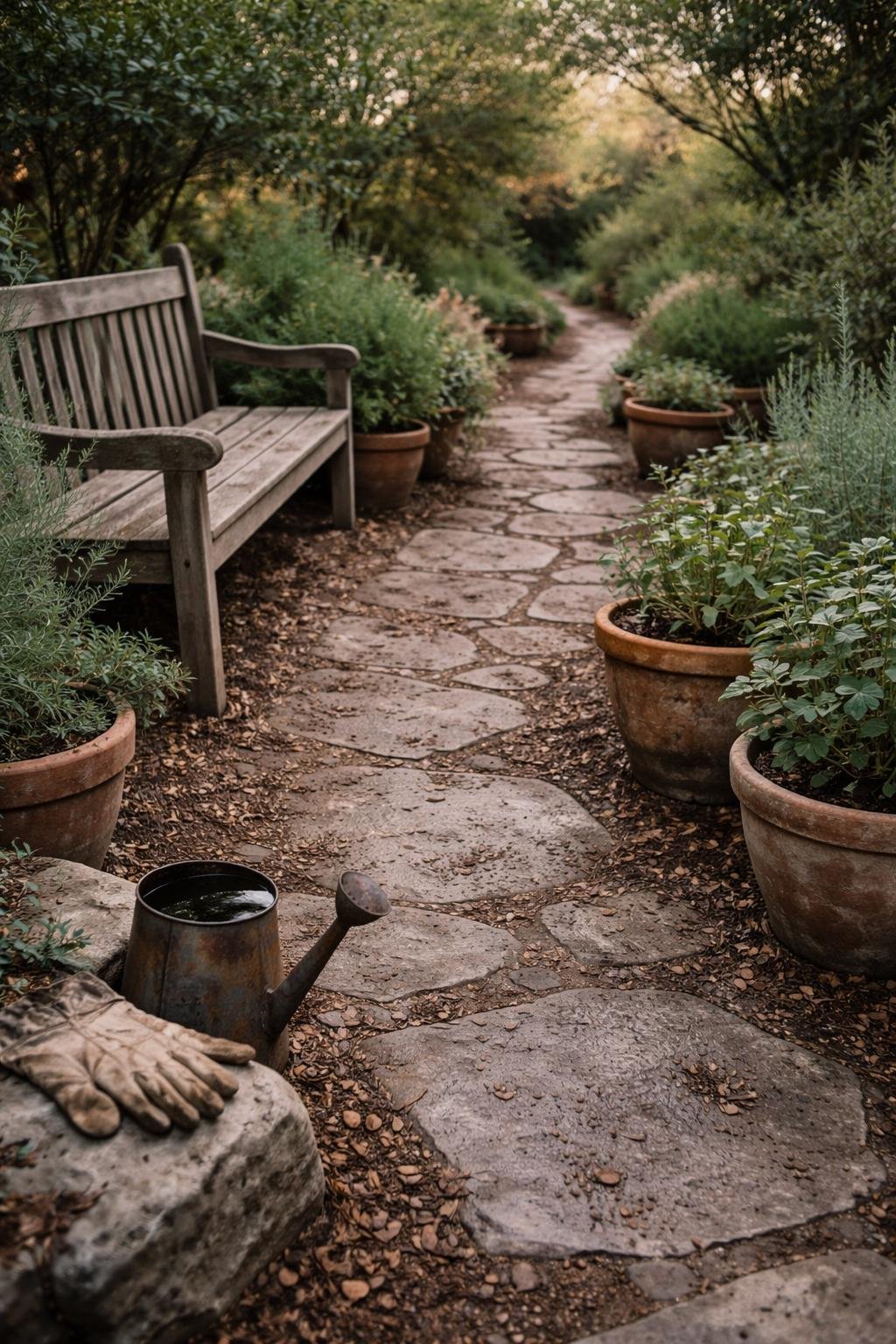
Natural stone pathways form the backbone of authentic Greek garden design. They create structure while adding a rustic Mediterranean feel to your outdoor space.
Limestone and flagstone are popular choices that mirror the materials found in traditional Greek villages. These stones develop a beautiful weathered patina over time. You can arrange them in regular patterns for a formal look or place them irregularly for a more casual feel.
Gravel paths offer another practical option. They’re easy to install and provide excellent drainage in sunny climates. The soft crunching sound underfoot adds to the sensory experience of your garden.
Stone pathways should wind gently through your garden rather than cutting straight lines. This creates visual interest and encourages a slower pace as you move through the space. The width can vary based on your needs, but keep paths wide enough for comfortable walking.
Mix smooth pebbles between larger stones to fill gaps and prevent weed growth. This combination of different stone sizes creates texture and authentic Mediterranean character.
8. Busts and statues of ancient Greek figures
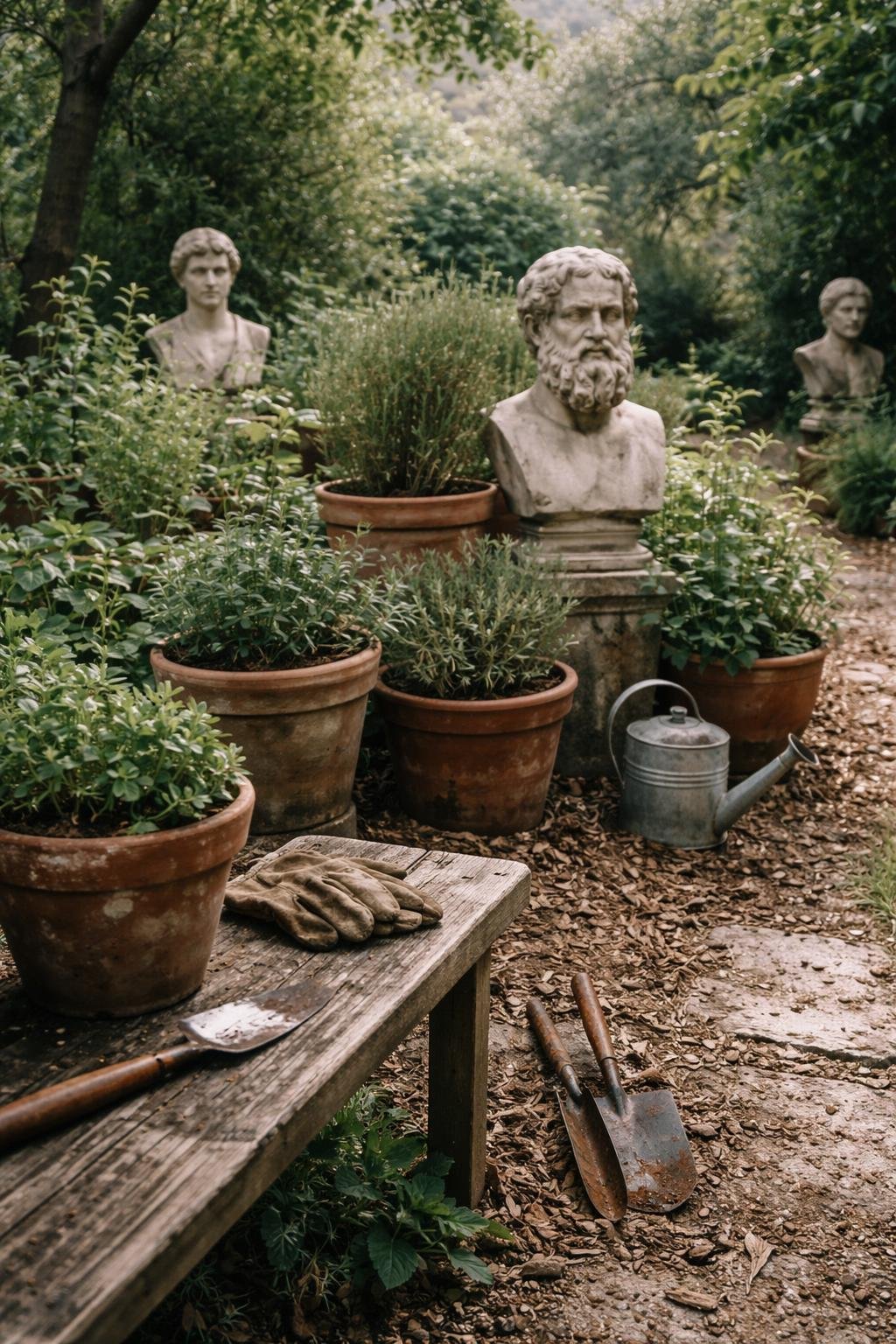
Adding busts and statues of ancient Greek figures brings classical beauty to your garden. These pieces feature philosophers, mythological gods, and goddesses that create focal points throughout your outdoor space.
You can choose from statues made of marble, bronze, or durable marble cast materials. Both options work well for outdoor settings and resist weather damage. Life-size statues make bold statements, while smaller busts fit nicely on pedestals or garden walls.
Popular figures include Aphrodite for rose gardens, Apollo near sunny areas, or Athena by entrance paths. You might also select busts of Greek philosophers like Socrates or Plato for a contemplative corner.
These sculptural pieces are available in various sizes to match your garden scale. Large statues work best as centerpieces in open areas, while smaller busts suit intimate garden nooks. You can find these decorative elements at specialty garden stores, online retailers, and shops that focus on classical reproductions.
Position your statues where they draw the eye and complement your plants. Place them at path intersections, near water features, or framed by greenery to create that authentic Greek garden atmosphere.
9. Rustic wooden pergolas
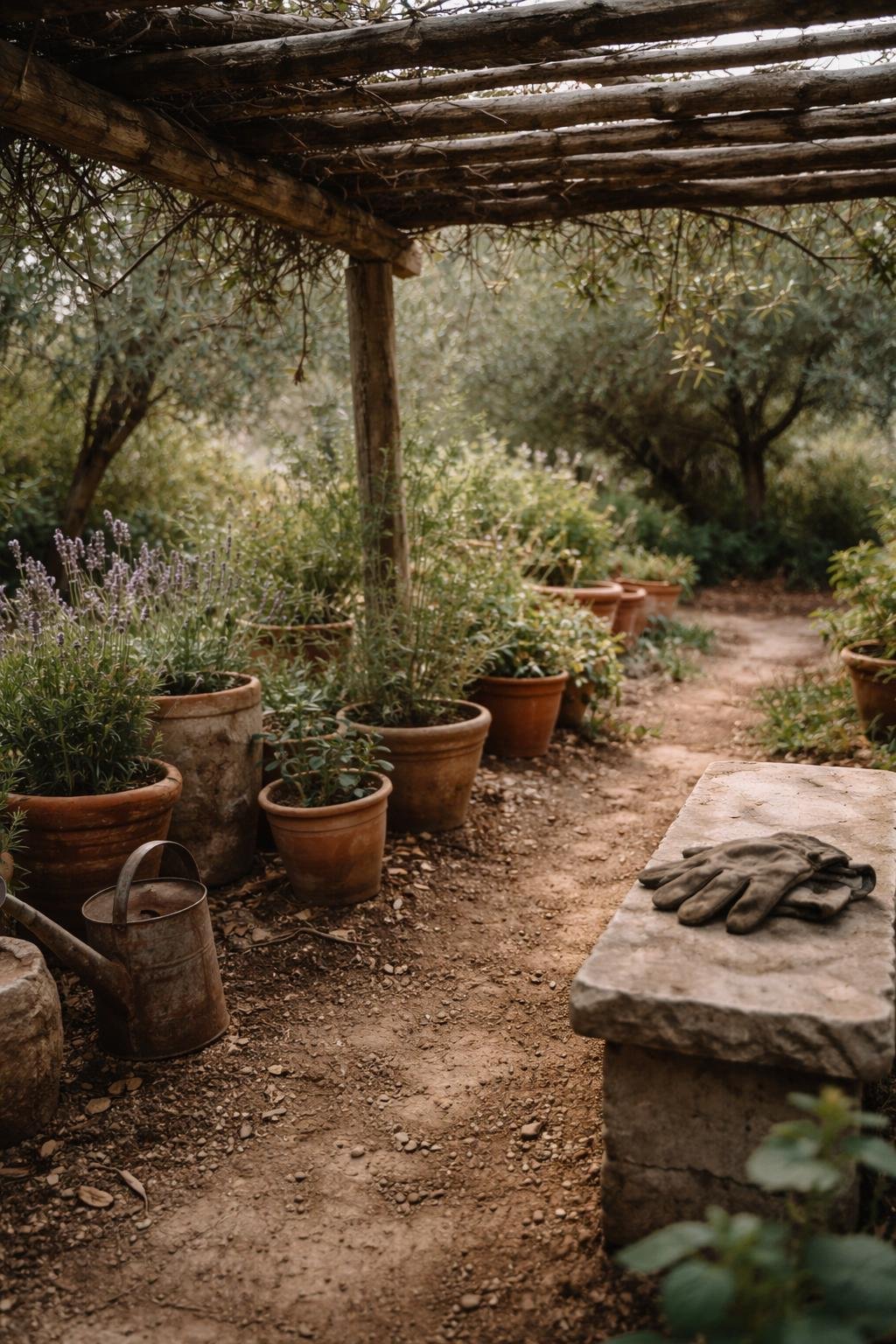
A wooden pergola adds authentic Mediterranean charm to your Greek garden. Choose durable woods like cedar or redwood that resist decay and insects naturally. These materials require less maintenance while lasting for years.
The open-beam structure creates the perfect framework for climbing plants. Grapevines work especially well, providing dappled shade during hot afternoons. You can also grow jasmine or bougainvillea for added color and fragrance.
Position your pergola over a dining area or seating space. The natural wood tones blend beautifully with stone pathways and terracotta pots common in Greek gardens. String lights between the beams for evening ambiance.
Let vines cascade over the top for a lived-in, organic look. This combination of rustic wood and greenery captures the essence of classical Greek outdoor living. The structure offers both shade and privacy while maintaining an open, airy feel.
Your pergola becomes a focal point that ties together different garden elements. It creates a dedicated space for relaxing or entertaining guests in true Greek style.
10. Blue and white color accents
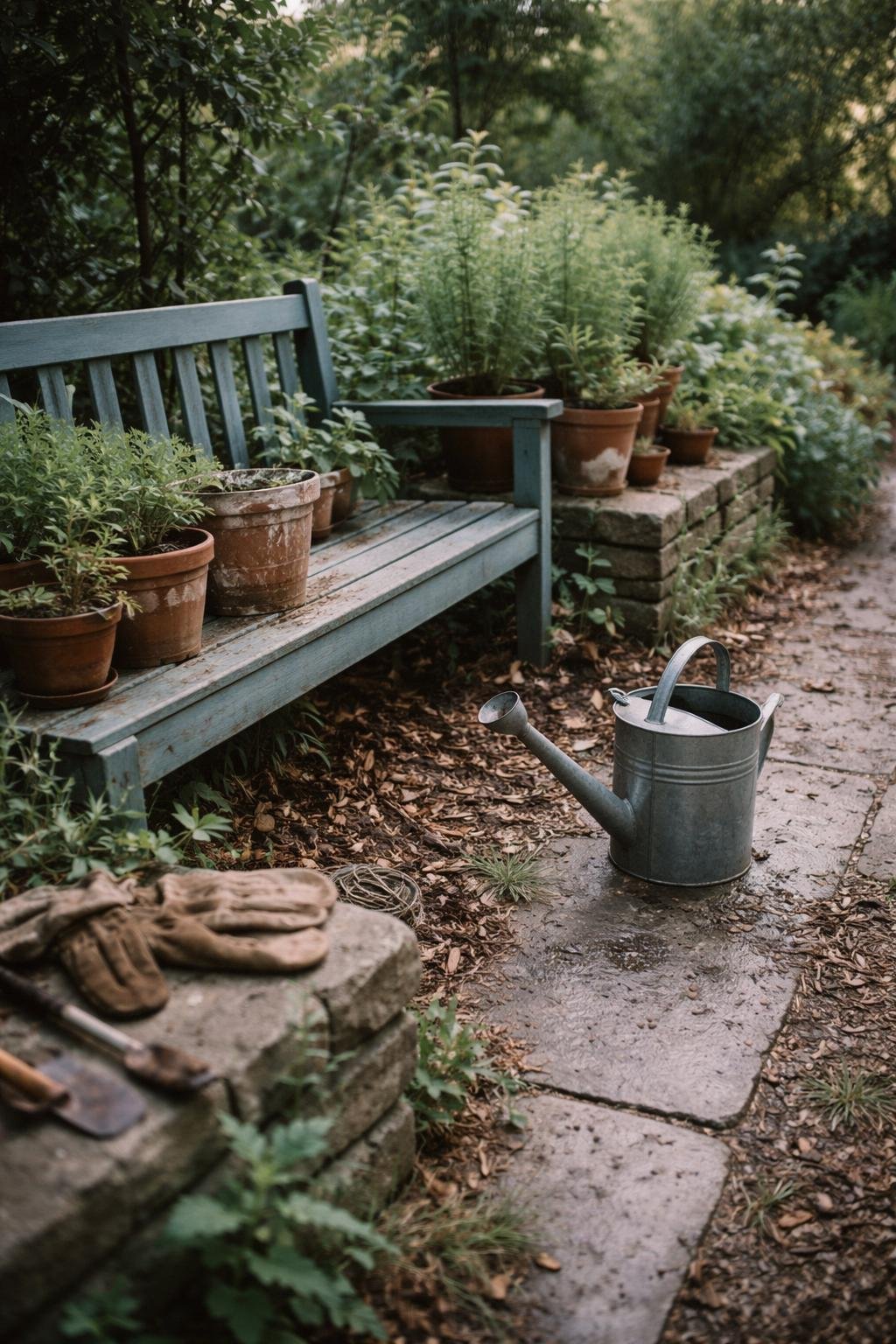
Blue and white colors form the foundation of Greek garden design. These two shades capture the essence of the Aegean Sea and whitewashed island buildings.
You can paint a stucco wall in azure blue to create an instant focal point. White walls serve as the primary backdrop, reflecting sunlight and keeping spaces cooler during hot months. Add blue through smaller elements like ceramic pots, cushions, or painted shutters.
The key is restraint. Stick to two or three shades of blue rather than mixing many different tones. This approach keeps your garden feeling calm and cohesive instead of busy.
Consider adding blue ceramic tiles around water features or pathways. Cobalt cushions on benches provide comfortable seating while reinforcing the color scheme. You can also use blue painted furniture or planters as accent pieces.
The white and blue combination works well because it highlights other garden elements. Silvery olive leaves and green herbs stand out beautifully against this neutral palette. The crisp contrast between these colors creates visual interest without overwhelming your space.
11. Elegant arches
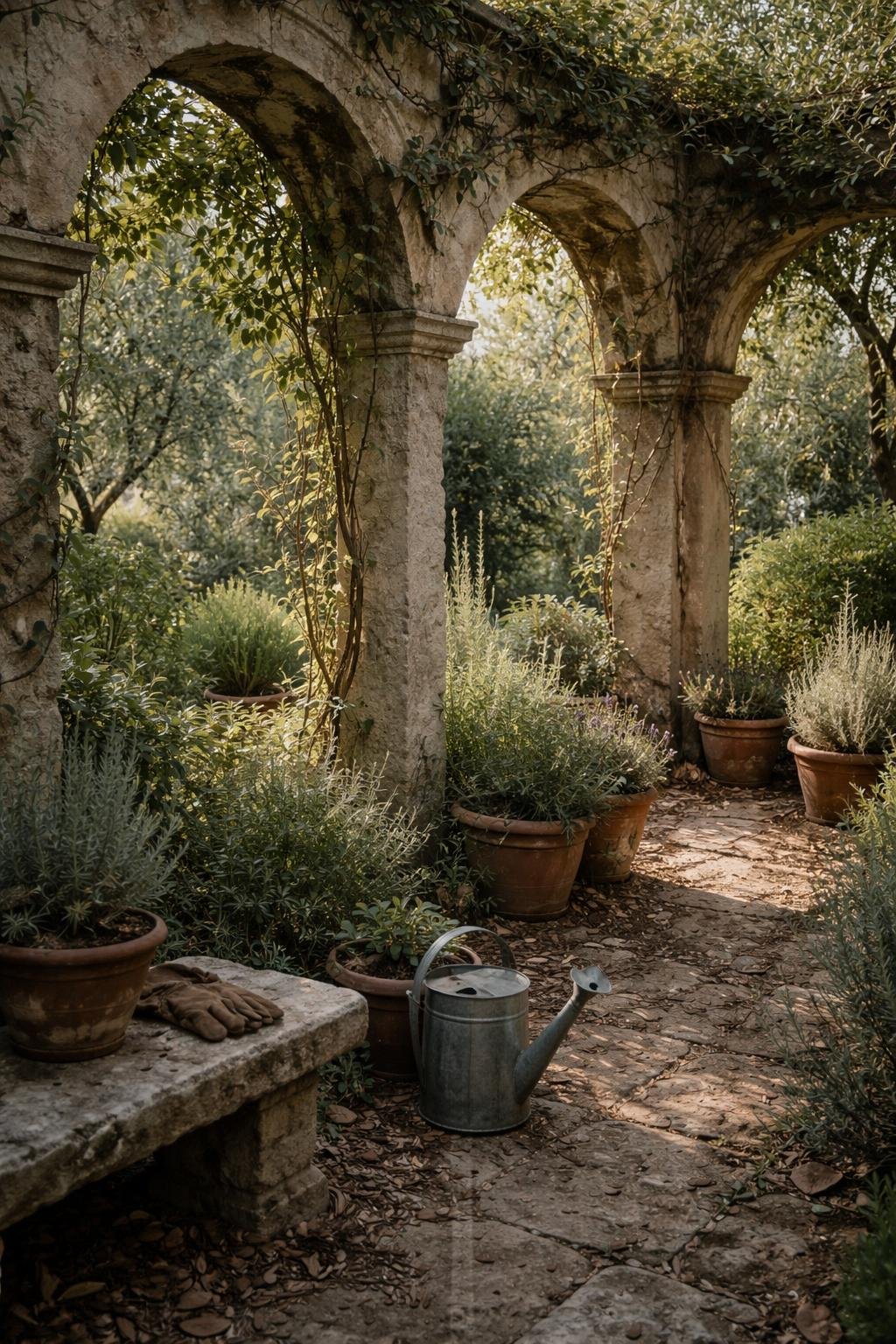
Arches are a signature element in Greek garden design. They frame pathways and create natural transitions between different garden areas. You can use them to add vertical interest and architectural beauty to your outdoor space.
Traditional Greek arches work well with climbing plants like jasmine, bougainvillea, or grapevines. These plants soften the structure while providing shade and fragrance. Stone or white-painted arches best capture the authentic Greek aesthetic.
Position your arch at garden entrances or over walkways to create inviting passageways. You can also place multiple arches in a row to form a pergola-style corridor. This design works particularly well for longer garden paths.
Choose materials that match your garden’s overall style. Wrought iron painted white mimics the classic Greek island look. Natural stone arches offer a more rustic, ancient feel that connects to historical Greek architecture.
Your arch becomes a focal point that draws the eye upward and creates depth in your garden layout. It transforms ordinary spaces into something more refined and purposeful.
12. Bougainvillea vines
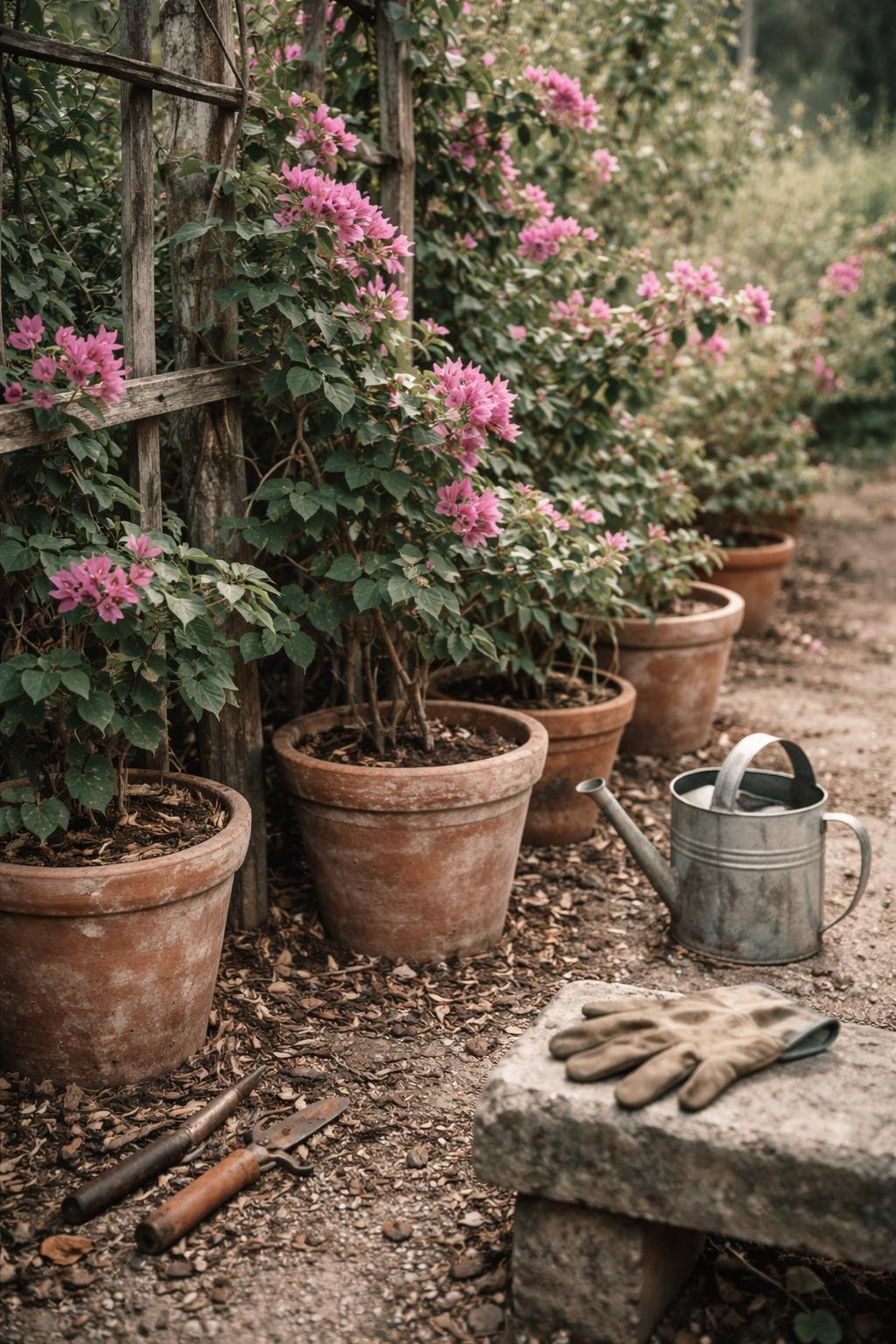
Bougainvillea vines bring bold color to Greek gardens with their bright pink, red, orange, white, or purple blooms. These fast-growing climbers love warm weather and full sun, making them perfect for Mediterranean-style spaces.
You can train these vines to climb over white walls, pergolas, or trellises. The colorful bracts look stunning against white and blue backgrounds typical of Greek design. Use soft ties to guide the flexible stems where you want them to grow.
These plants can reach heights between 1 and 12 meters depending on the variety. If you have limited space, dwarf varieties called Bambino bougainvillea work well in pots or as low hedges.
Bougainvillea needs regular pruning to maintain its shape and encourage dense coverage. This also improves airflow through the plant. The papery flowers create a cheerful atmosphere and thrive in warm climates with minimal care.
Plant bougainvillea along pathways, over entryways, or across garden structures to add authentic Greek garden charm to your outdoor space.
13. Mediterranean herbs garden
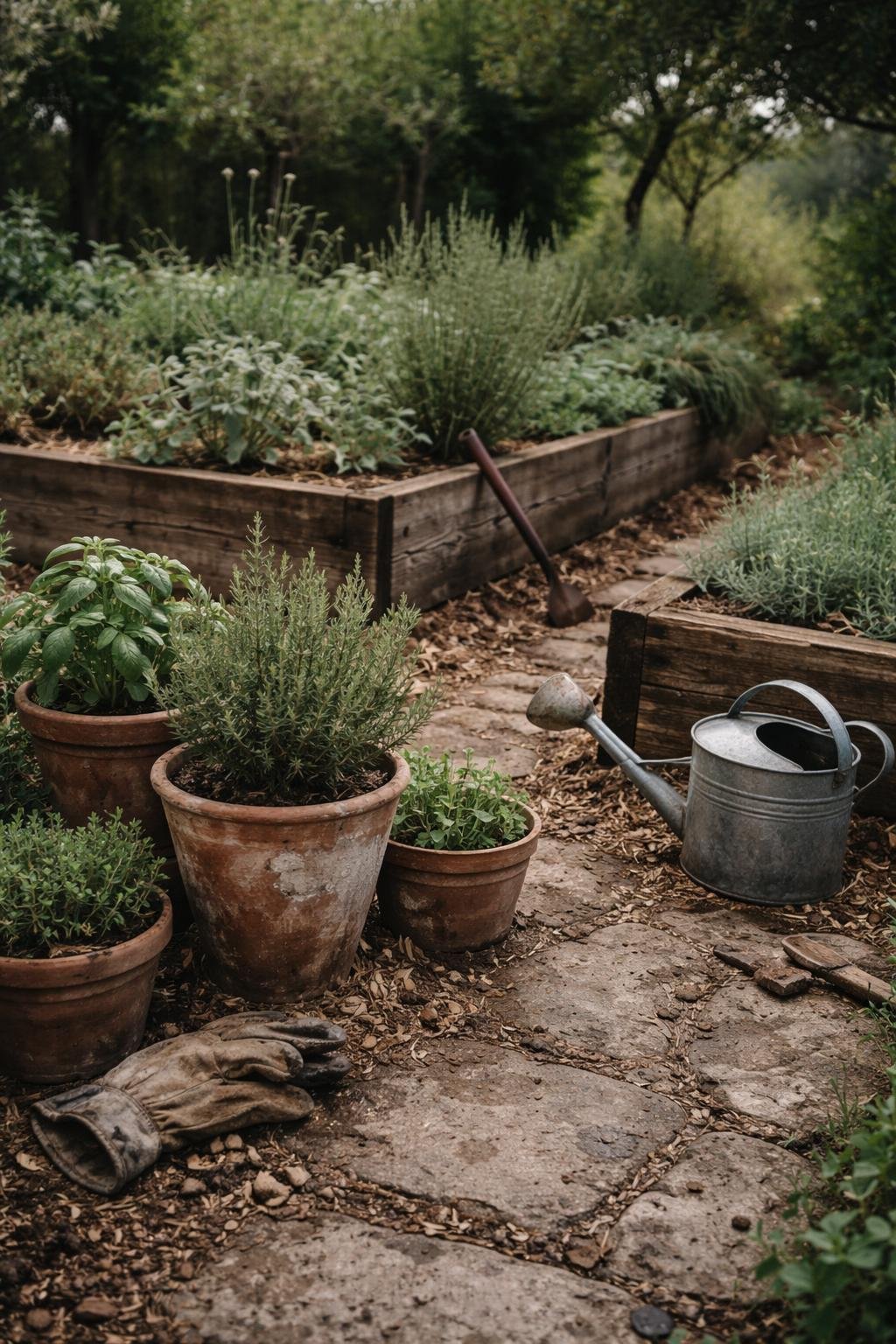
A Mediterranean herbs garden brings authentic Greek flavor to your outdoor space. You can grow rosemary, thyme, oregano, basil, and sage in dedicated beds or terracotta containers.
These herbs thrive in hot, dry conditions with plenty of sunlight. They need well-draining soil and minimal watering once established. Plant them along pathways or near your outdoor dining area where you can easily reach them for cooking.
Grouping herbs together creates a practical and fragrant garden feature. You can arrange them in traditional clay pots of varying sizes or plant them directly in the ground. The silvery-green foliage adds texture and color to your garden year-round.
Place your herb garden close to your kitchen door for convenience. The aromatic scent releases when you brush against the plants, filling your outdoor space with Mediterranean fragrance. You’ll have fresh ingredients at your fingertips while creating an authentic Greek garden atmosphere.
14. Cypress trees
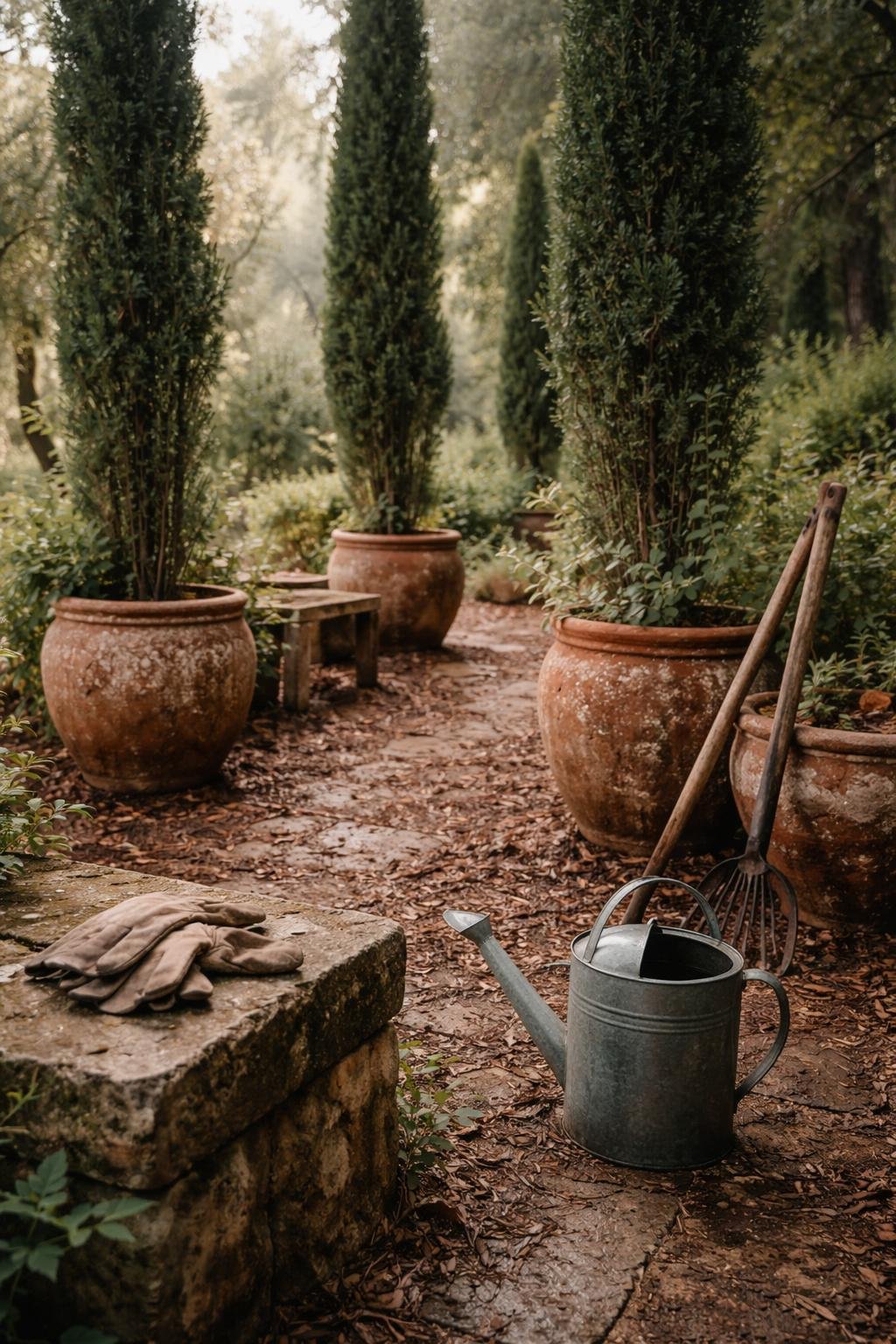
Cypress trees bring timeless elegance to Greek-style gardens with their tall, slender shape and deep green color. These evergreen trees create strong vertical lines that draw your eyes upward and add structure to your landscape.
You can plant cypress trees along pathways or property lines to define spaces and provide natural screening. Their dense foliage offers shade during hot days and blocks wind, making your garden more comfortable.
Italian cypress varieties work particularly well in Greek gardens because of their narrow, columnar form. They create a formal look that contrasts beautifully with low-growing plants and light-colored walls.
These trees need full sun and well-drained soil to grow properly. Once established, they handle dry conditions well, which makes them suitable for Mediterranean-style landscapes.
You can use cypress trees as focal points or plant them in groups to frame views and create garden rooms. Their dark green color stays consistent throughout the year, giving your space permanent structure and visual interest.
Cypress trees grow slowly but can reach significant heights over time. Plan their placement carefully so they have enough room to develop without crowding other plants or structures.
15. Low-maintenance drought-resistant plants
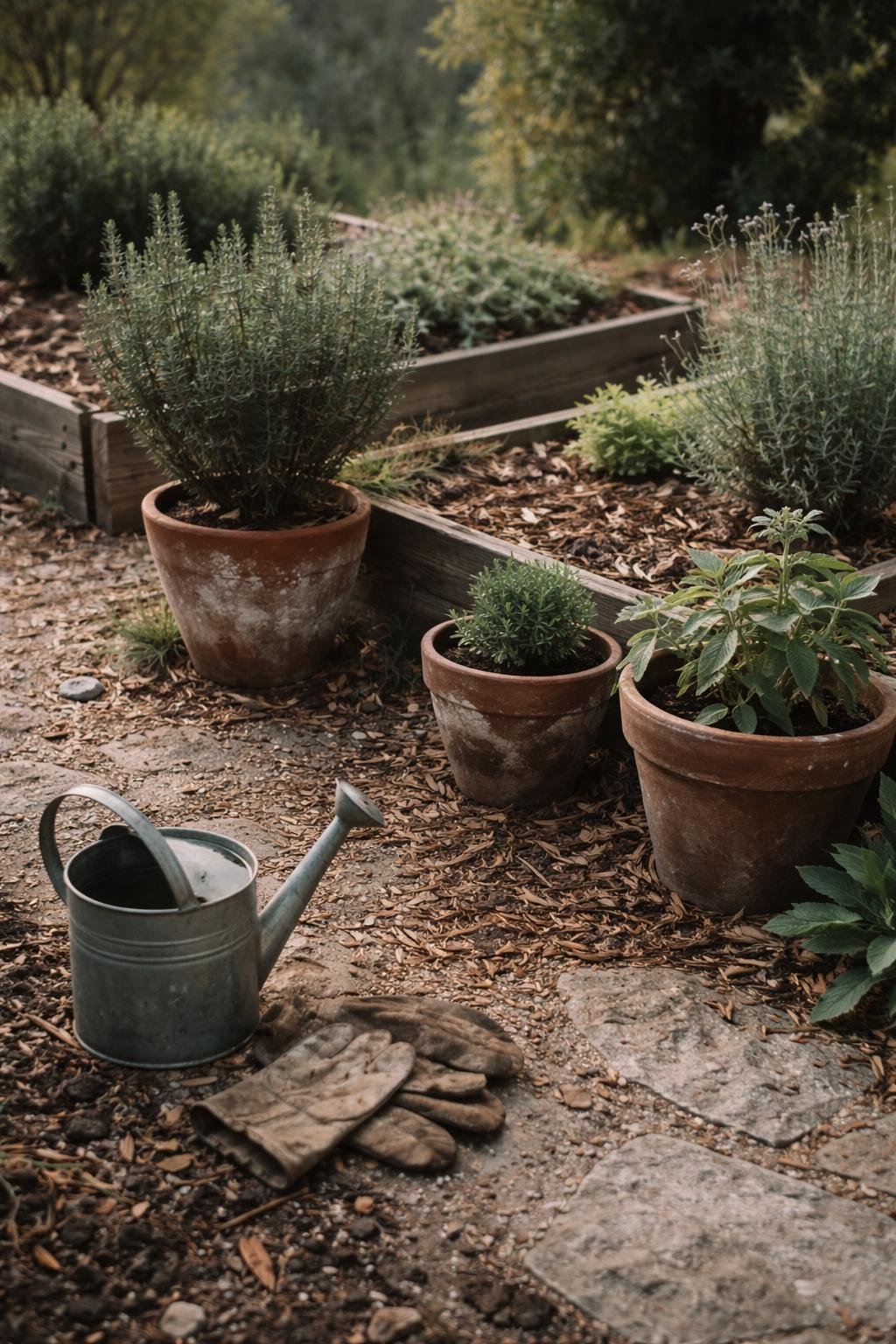
Greek gardens naturally feature plants that thrive in hot, dry conditions. You can create an authentic Mediterranean landscape by choosing species that need minimal water once established.
Lavender is a classic choice for Greek-style gardens. It grows well in full sun and well-drained soil. You’ll appreciate its purple blooms and fragrant foliage throughout the summer months.
Rosemary and other Mediterranean herbs make excellent additions to your garden. These plants handle heat and drought with ease. They also provide fresh herbs for your kitchen.
During the first year, you need to water new drought-resistant plants regularly. This helps them develop strong root systems. After that, they require much less attention and water.
Ornamental grasses like blue fescue add texture to your Greek garden. These plants survive on very little water. Their silvery-blue color provides visual interest year-round.
Your drought-tolerant garden will look beautiful even during dry spells. These plants are adapted to Mediterranean climates and handle extreme heat well. You’ll spend less time watering and more time enjoying your outdoor space.
16. Rustic outdoor seating areas
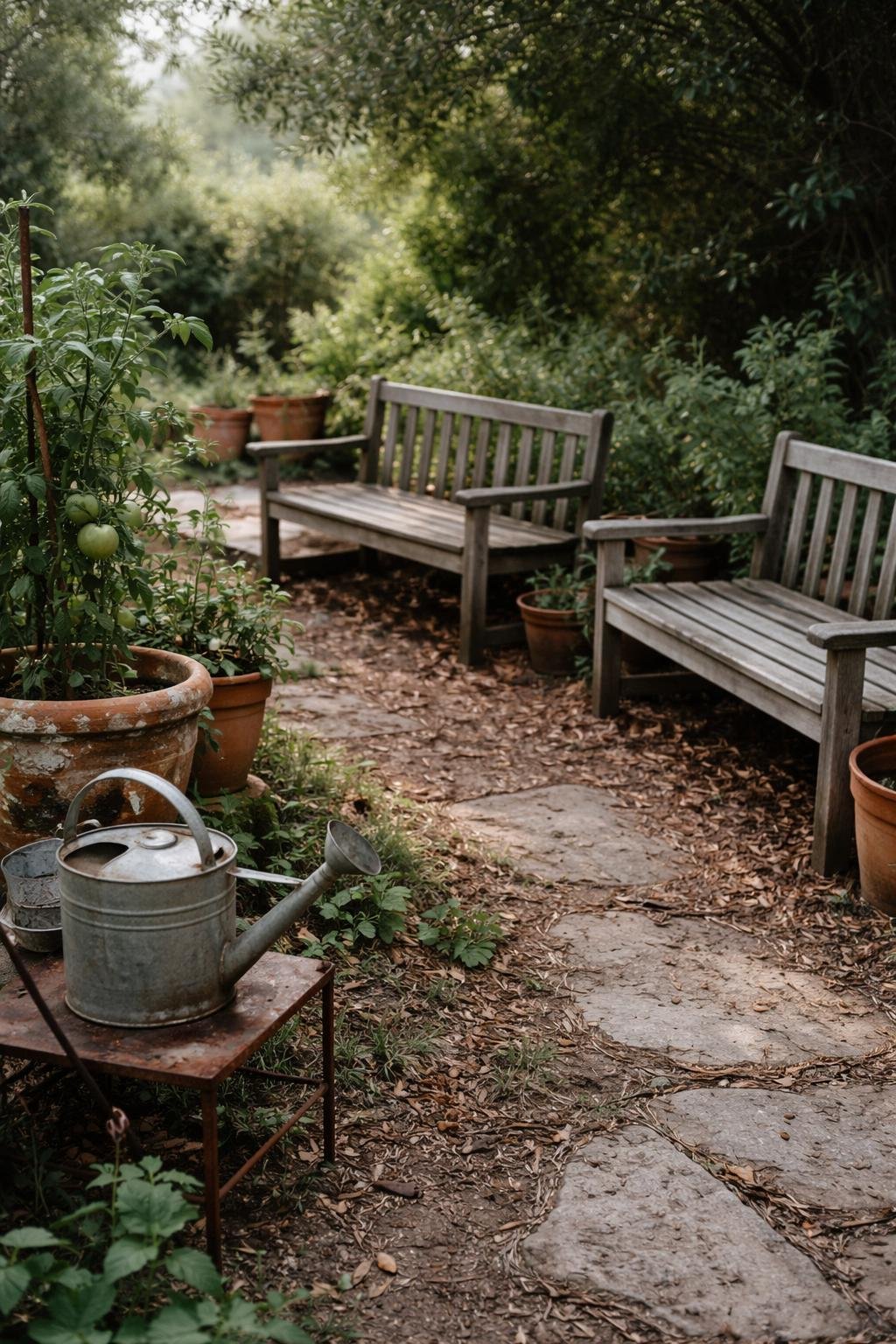
Rustic outdoor seating creates the perfect spot to relax and enjoy your Greek-inspired garden. Choose weathered wood benches or stone seats that look naturally aged. These materials fit well with the Mediterranean style.
Place your seating under a pergola or near shade trees. This gives you a cool place to sit during hot days. You can add weather-resistant cushions in white, blue, or terracotta colors to make the seats more comfortable.
Natural materials work best for this look. Use reclaimed wood tables or stone surfaces for a genuine rustic feel. Arrange chairs and benches around the seating area to welcome guests.
Keep the design simple and functional. A basic wooden table with matching benches creates an authentic Greek atmosphere. You can place these pieces on gravel, stone pavers, or packed earth for an old-world touch.
Add potted herbs or small olive trees near your seating area. This brings greenery close to where you spend time outdoors. The result is a peaceful space that captures the charm of traditional Greek gardens.
17. Scented jasmine plants
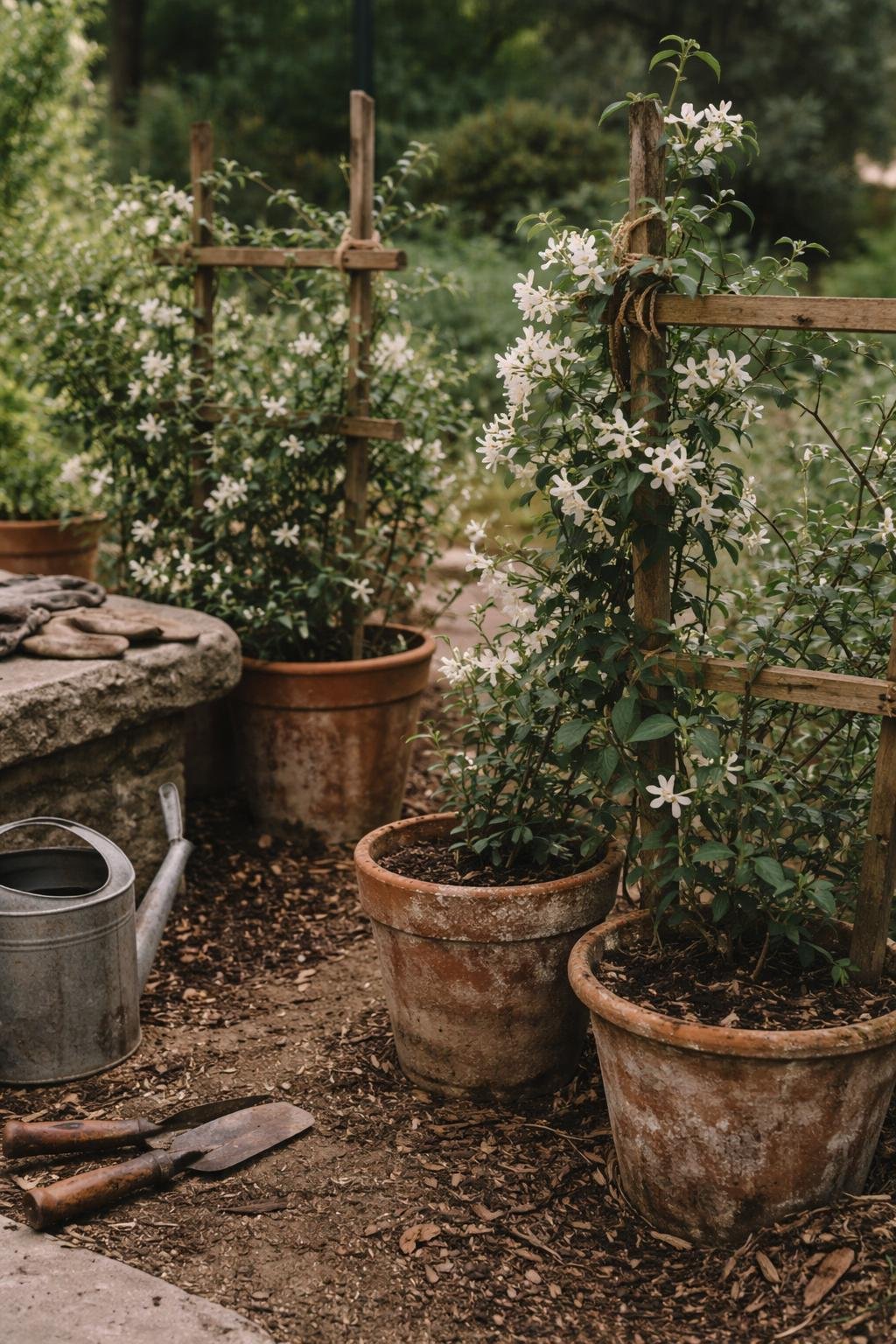
Jasmine brings an authentic Mediterranean fragrance to your Greek garden. The sweet aroma fills outdoor spaces naturally, creating an inviting atmosphere similar to what you’d find in traditional Aegean courtyards.
Several jasmine varieties work well in Greek-style gardens. You can choose species based on your climate and garden layout. Some types bloom more intensely than others, so research which variety matches your needs.
Train jasmine to climb pergolas, trellises, or archways. The vines create elegant green coverage while releasing their signature scent. This climbing habit makes jasmine useful for vertical gardening and adding height to your space.
Place jasmine near seating areas or pathways where you’ll notice the fragrance most. The scent is strongest during evening hours when the flowers open fully. You can also plant jasmine near windows to let the aroma drift indoors.
Jasmine pairs well with other Mediterranean plants like lavender and herbs. The white or pale yellow flowers complement the sun-bleached aesthetic of Greek gardens. Most jasmine varieties prefer full sun and well-draining soil, making them suited to Mediterranean growing conditions.
18. Roman-style columns
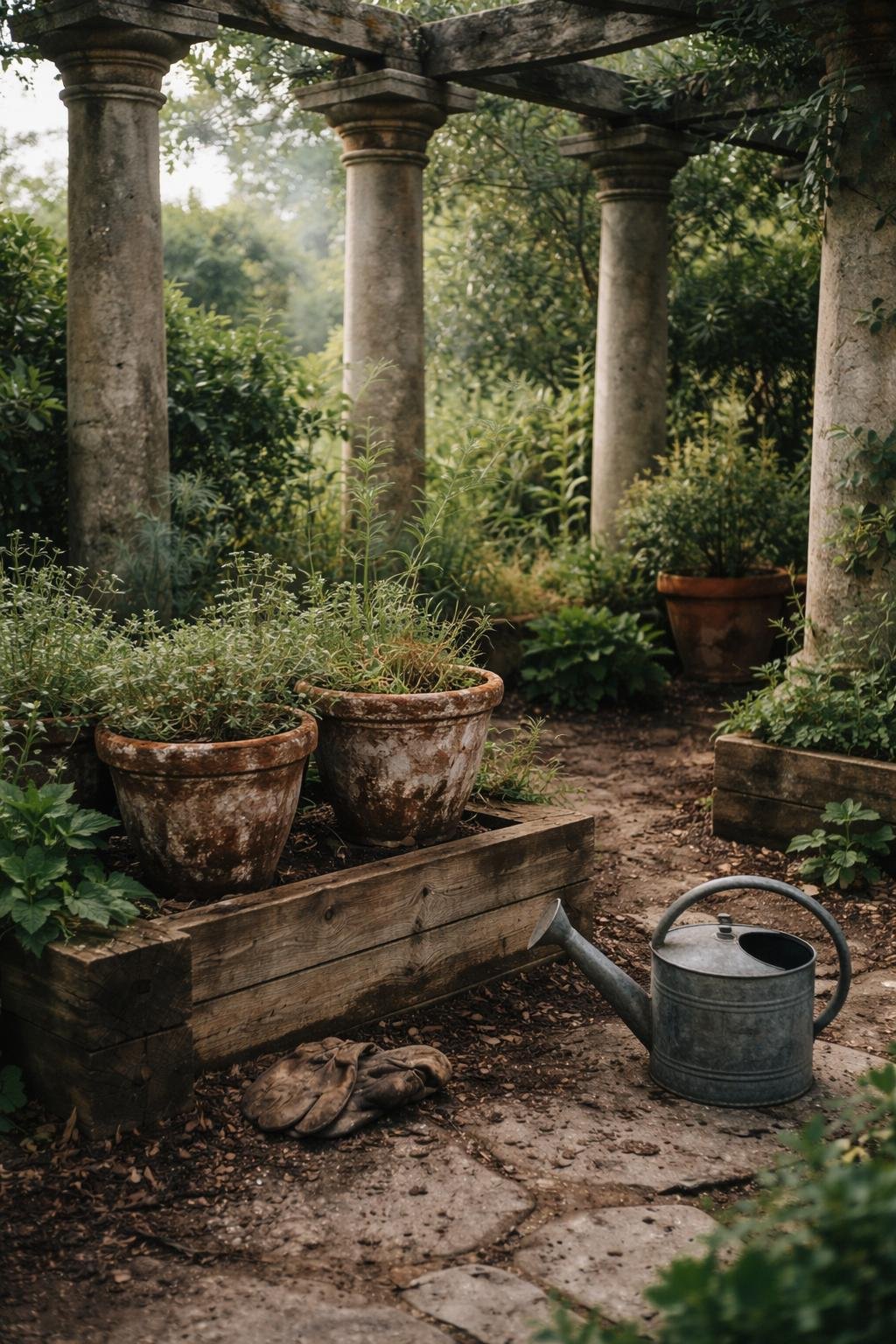
Roman-style columns bring classic architectural beauty to your Greek-inspired garden. These columns can serve as focal points or frame specific areas of your outdoor space.
You can choose from several traditional Roman column styles. Doric columns feature simple, sturdy designs with minimal decoration. Corinthian columns offer more ornate tops with detailed leaf patterns. Ionic columns fall somewhere in between with their distinctive scroll designs.
Stone columns provide an authentic look and last for many years. If you prefer a lighter option, you can find column kits made from resin or fiberglass that are easier to install. Wooden columns work well too, though they need regular maintenance.
Place columns at garden entrances to create a grand entry point. You can also position them along pathways or use pairs to frame a statue or water feature. Single columns work as standalone garden art pieces.
Consider the scale of your garden when selecting column height and thickness. Taller columns suit larger spaces, while shorter ones fit better in compact gardens. Paint them white for a traditional Mediterranean look, or leave natural stone finishes for a more rustic appearance.
19. Olive groves as focal points
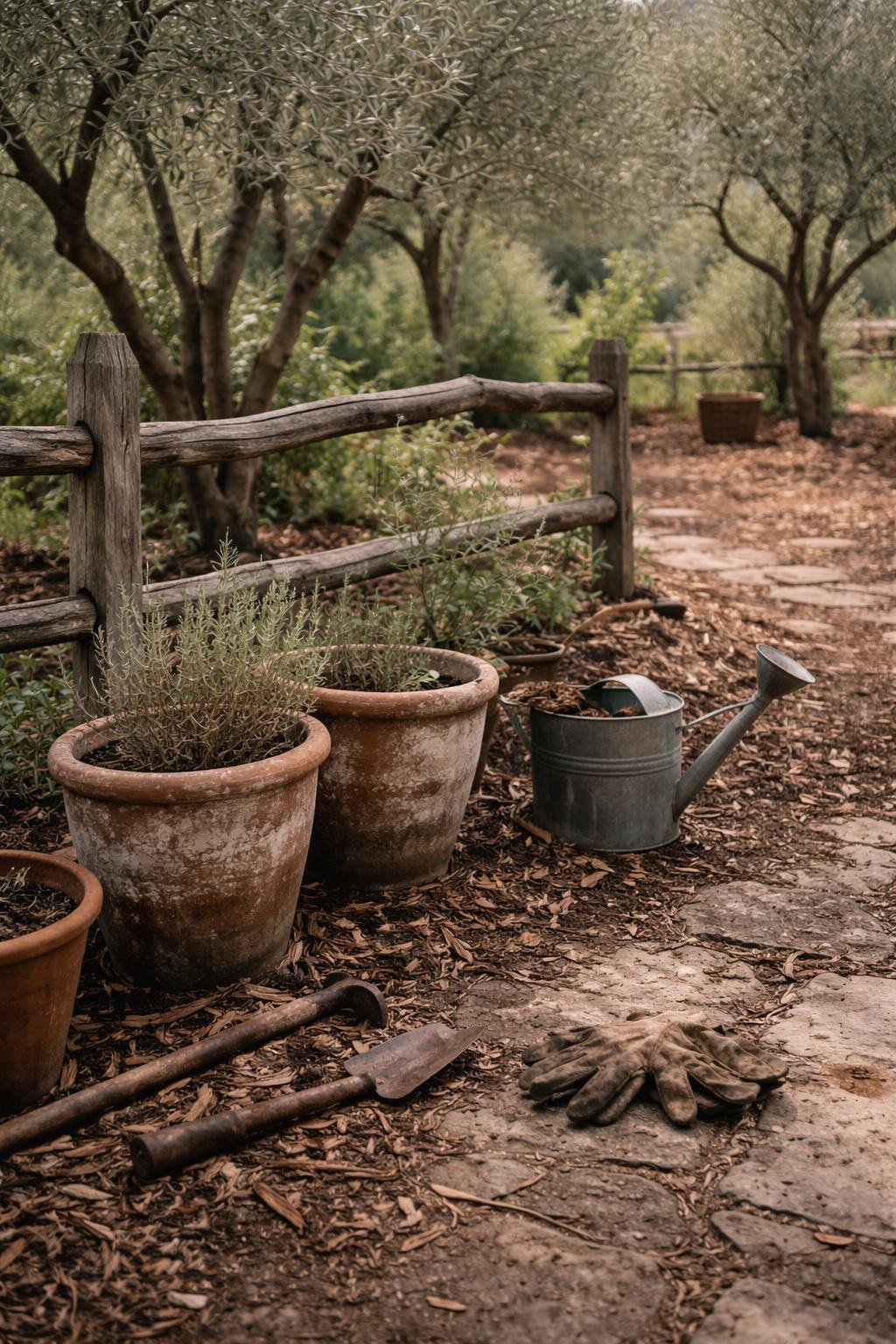
Olive trees make perfect centerpieces for your Greek-inspired garden. Their gnarled trunks and silvery-green leaves create visual interest that draws the eye naturally. These trees bring an authentic Mediterranean feel to any outdoor space.
You can plant a single olive tree as a dramatic focal point or arrange several trees in a small grove. The trees work well in both large yards and compact gardens. Their twisted trunks and delicate foliage add character without overwhelming your space.
Place olive trees in key areas where you want to direct attention. They look great at garden entrances, in the center of seating areas, or along pathways. The trees provide shade while maintaining an open, airy feeling.
Olive trees are practical choices for focal points because they need minimal care. They handle dry conditions well and don’t require frequent watering once established. Their evergreen leaves keep your garden looking good throughout the year.
You can enhance the grove effect by adding gravel paths between trees or placing stone benches nearby. Simple landscaping around the base lets the trees stand out as the main feature.
20. Natural stone fountains
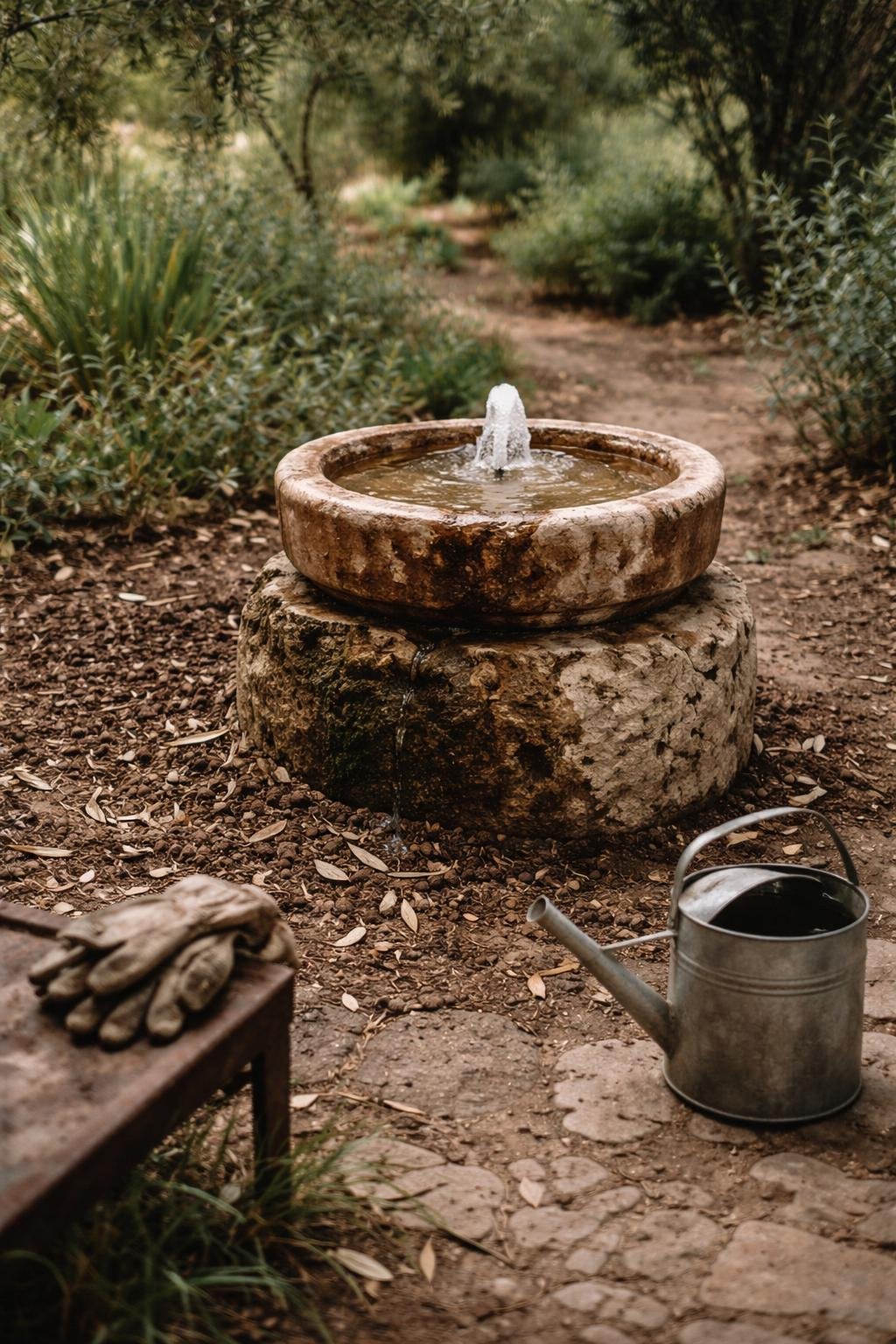
Natural stone fountains bring the calming sounds of water to your Greek garden. The gentle trickling creates a peaceful atmosphere that mirrors traditional Mediterranean courtyards.
You can choose from several simple designs that work well in Greek-style spaces. A small tiered fountain made from local stone fits perfectly among your plants. Another option is a stone spout that pours water from a white wall into a basin below.
Stone fountains don’t need to be fancy or ornate. The beauty comes from the natural texture of the rock and the soothing water sounds. You can place your fountain near a seating area where you’ll enjoy its calming effect the most.
Pick stones that match other elements in your garden, like your pathways or walls. This creates a unified look throughout your space. The fountain should blend naturally with the surrounding plants and stone features.
A bubbling stone urn also works as a fountain option. It takes up less space but still provides the peaceful water sounds that make Greek gardens so relaxing.
21. Clay tiled flooring
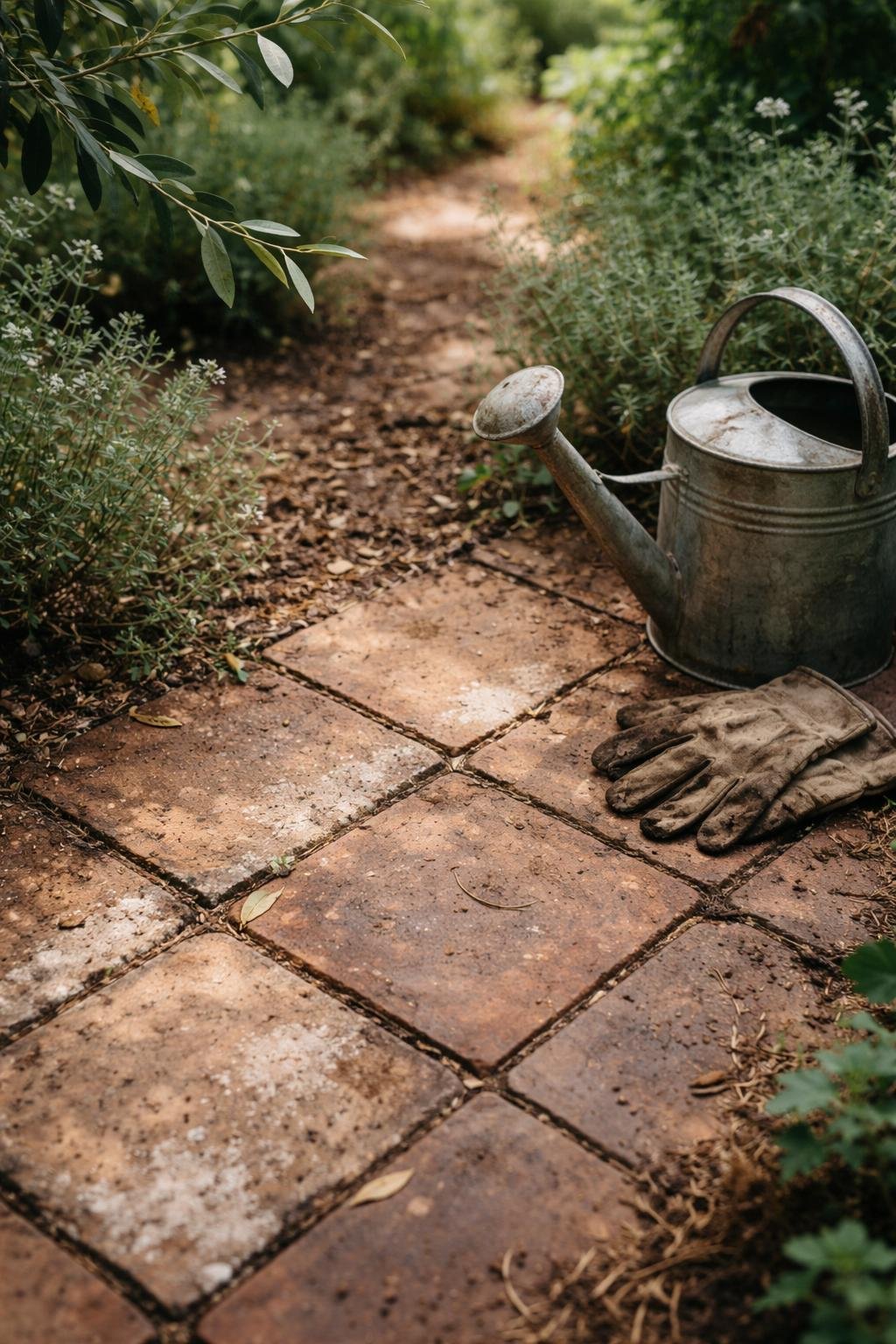
Clay tiles bring authentic Mediterranean character to your Greek garden. These traditional flooring materials have been used in Greece for centuries and work well in modern outdoor spaces.
Terracotta tiles are the most common choice for Greek-style gardens. They come in warm earth tones like red, orange, and brown. You can arrange them in simple grid patterns or create more complex designs with different tile sizes.
The natural color of clay tiles complements white walls and blue accents that are typical in Greek gardens. They also pair nicely with gravel pathways and stone features.
Clay tiles work best in covered areas like patios and outdoor dining spaces. They can get hot in direct sunlight, so you might want to use them under pergolas or in shaded courtyards. Make sure to choose tiles that are rated for outdoor use, as they need to handle weather changes and foot traffic.
You can mix clay tiles with other materials like stone or pebbles to add visual interest. This combination creates texture and helps define different zones in your garden.