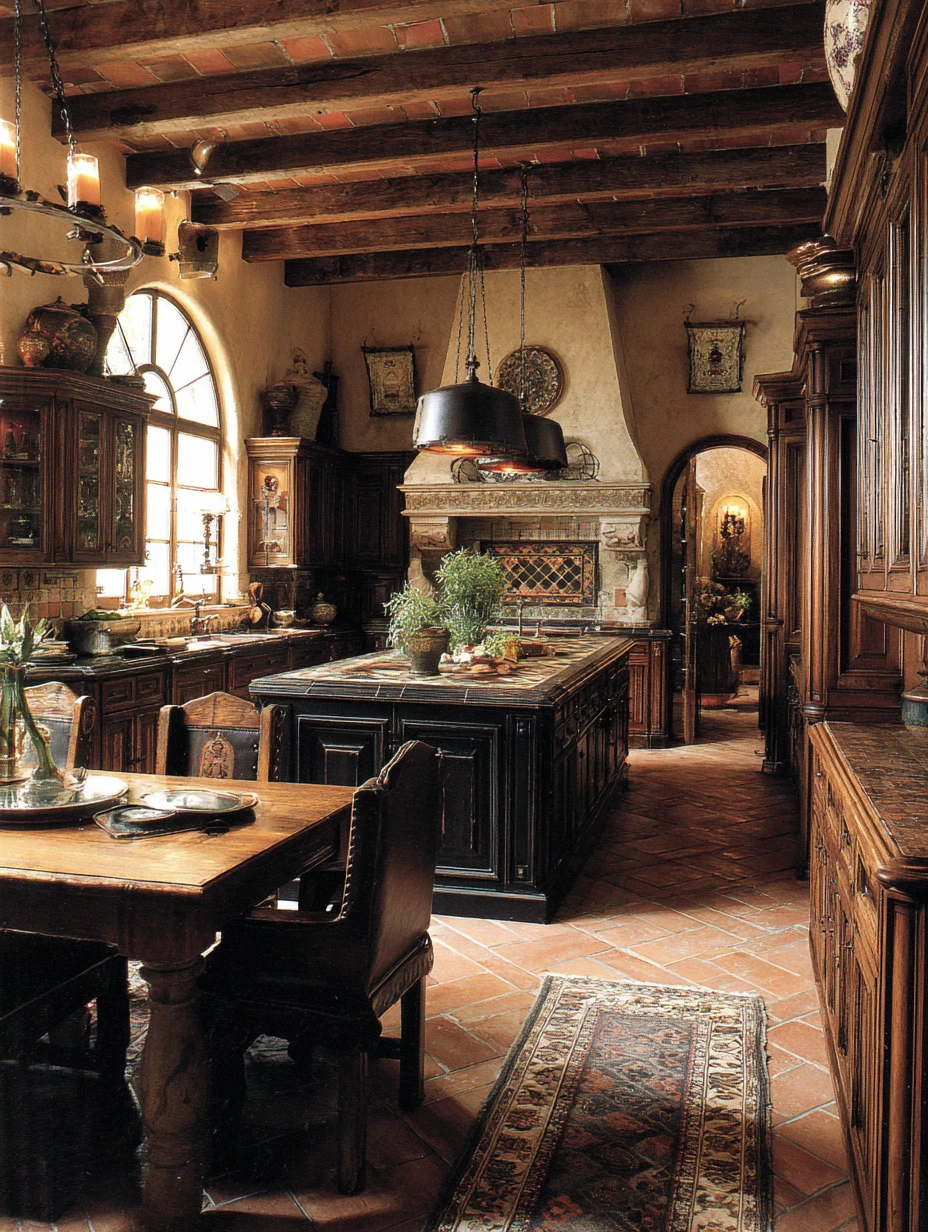

Italian kitchens have this magical quality that makes you want to spend hours cooking, sipping wine, and chatting with friends. You know that warm, inviting feeling when you walk into a space and immediately feel at home? That’s what we’re going for here.
Whether you’re working with a tiny apartment kitchen or a sprawling culinary paradise, these Italian-inspired ideas will transform your space into something special. Let’s explore how to bring that authentic Italian flair into your home without breaking the bank or requiring a complete renovation.
1. Terracotta Floor Tiles for Rustic Warmth
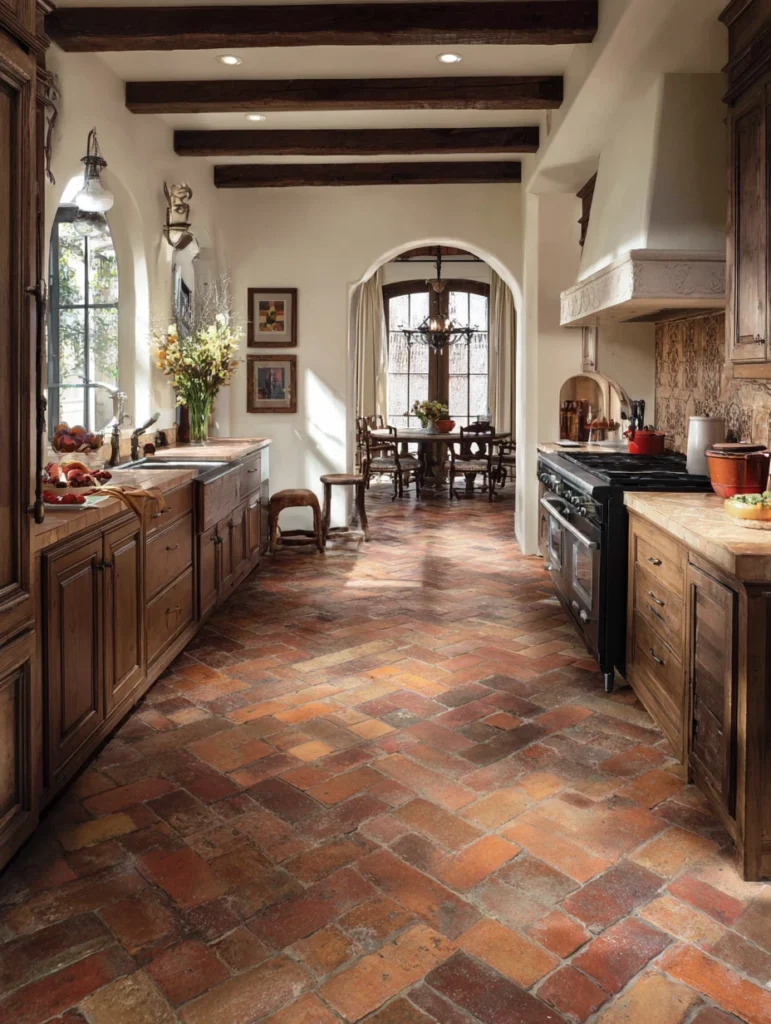
Embrace Natural Earthiness: Terracotta tiles instantly transport your kitchen to the Italian countryside. These clay-based beauties come in warm amber, rust, and burnt sienna tones that add character your kitchen desperately needs. They’re durable, age beautifully, and develop a gorgeous patina over time.
Maintenance Made Simple: Here’s the truth – terracotta requires some upkeep, but it’s not the nightmare people make it out to be. Seal them properly when you install them, reseal them annually, and you’re good to go. Clean spills quickly, sweep regularly, and avoid harsh chemicals that strip the natural oils.
Product Spotlight: Consider the Terracotta Ceramic Floor and Wall Tile for an authentic look that won’t destroy your budget. These tiles capture that handmade Italian aesthetic perfectly. Pair them with the Miracle Sealants Impregnator Sealer to protect your investment and keep those beautiful tiles looking fresh.
Read More: 21 Inexpensive Covered Outdoor Kitchen Ideas
2. Exposed Wooden Beams Across the Ceiling

Architectural Drama on Display: Exposed wooden beams scream Italian villa louder than almost anything else. If you’ve got existing beams hiding under drywall, expose them – seriously, do it. Don’t have structural beams? Faux beams work surprisingly well and look authentic when appropriately installed. Go for rich, dark wood tones or weathered reclaimed wood for maximum impact.
Strategic Placement Matters: You don’t need to cover your entire ceiling in beams to get that Italian effect. Three parallel beams running the length of your kitchen often work better than a complicated pattern. Position them to highlight your kitchen’s best features, such as above the island, over the dining area, or framing the cooking zone.
Product Spotlight: The Ekena Millwork Rough Sawn Faux Wood Beam offers incredible realism without the weight and installation challenges of real beams. These are hollow, lightweight, and slip right over existing structures. Match them with Minwax Wood Finish Stain in Dark Walnut or Special Walnut to achieve that aged, European look.
Read More: 17 Beautiful White Oak Cabinet Kitchen Ideas
3. Marble Countertops for Timeless Elegance
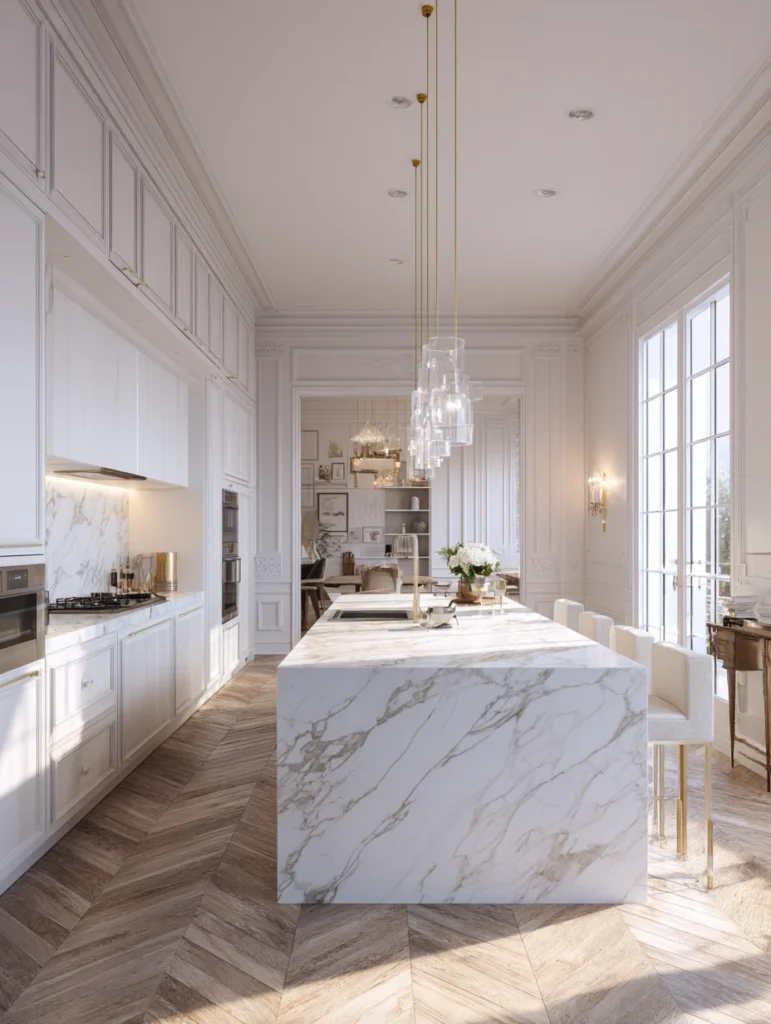
The Italian Standard: Walk into any classic Italian kitchen, and you’ll likely spot marble countertops. Carrara marble, with its soft gray veining, is the traditional choice that never goes out of style. It’s cool to the touch, perfect for rolling out fresh pasta dough, and absolutely stunning when sunlight hits it.
Living with Marble Reality: Let’s be real – marble isn’t for everyone. It stains, etches from acidic foods, and requires regular sealing. But if you embrace these quirks instead of fighting them, marble becomes less intimidating. Use cutting boards religiously, wipe up spills immediately, and accept that your countertops will develop a unique patina over time.
Product Spotlight: While actual marble installation requires professional help, maintaining it doesn’t. The StoneTech BulletProof Sealer creates an invisible barrier that repels water, oil, and stains without changing your marble’s appearance. Combine it with Weiman Granite Cleaner and Polish (which works beautifully on marble too) for daily cleaning that won’t damage the surface.
Read More: 17 Ideas for Kitchen Cabinet Handles
4. Open Shelving with Displayed Ceramics
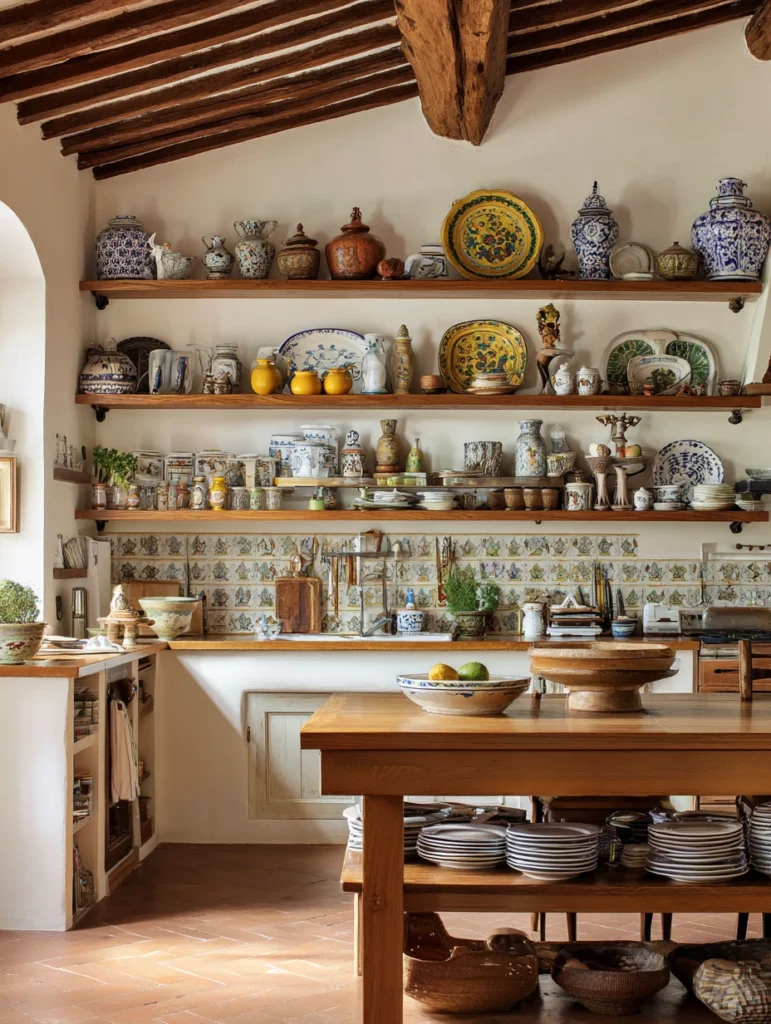
Functional Art Display: Italians don’t hide their beautiful dishes – they showcase them. Open shelving lets you display colorful ceramics, vintage serving platters, and everyday dishes as part of your kitchen’s design. It’s practical because everything’s within reach, and it’s gorgeous because you’re surrounded by items you actually love.
Styling Without Stuffing: The trick to open shelving is knowing when to stop. Overcrowded shelves look chaotic, not Italian. Leave breathing room between items, vary heights and textures, and embrace negative space. Group similar items together – all your drinking glasses in one area, olive oil bottles in another. Incorporate some greenery with small potted herbs or trailing plants.
Product Spotlight: Install the Floating Shelves Set for a clean, modern take on open shelving that still evokes an Italian feel. These shelves support substantial weight and look more expensive than they are. Style them with pieces like the Le Creuset Stoneware Set in Mediterranean colors – those signature French pieces actually complement Italian kitchens beautifully with their vibrant blues, oranges, and yellows.
Read More: Best Sage Green-Themed Kitchen Ideas
5. Farmhouse Sink with Vintage Charm
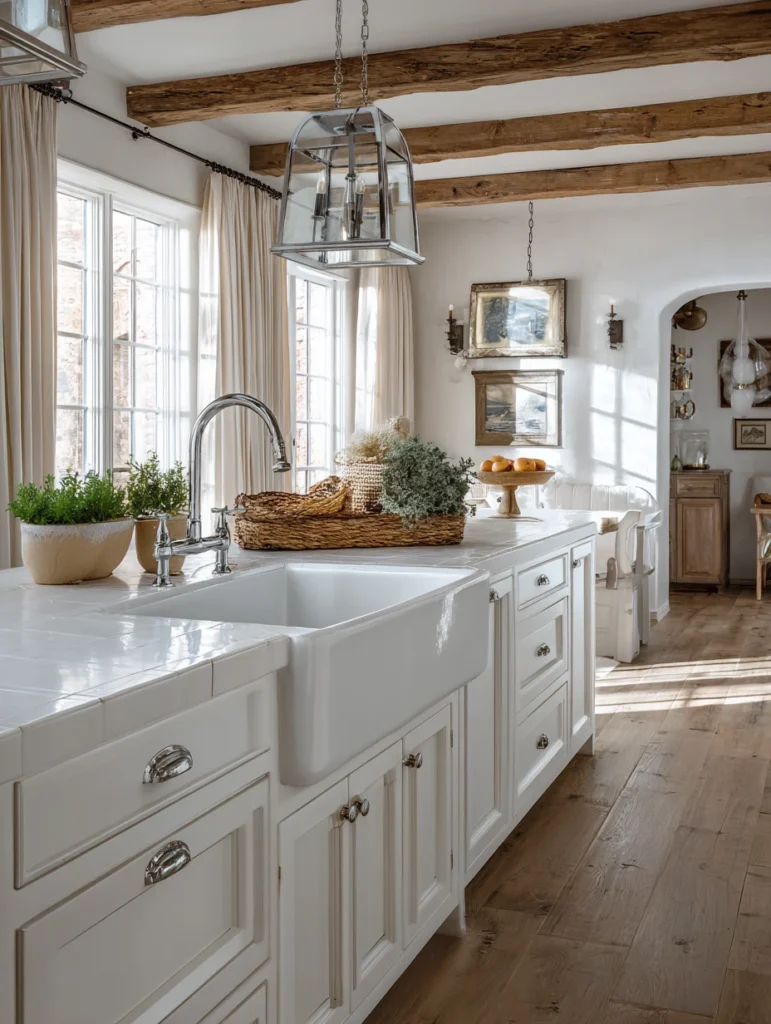
Statement-Making Centerpiece: A deep, wide farmhouse sink (also called an apron-front sink) is quintessentially Italian countryside. These sinks make washing large pots and pans actually manageable, and they look absolutely stunning as a focal point. Choose white fireclay for classic appeal or explore darker colors for something unexpected.
Practical Considerations First: Before falling in love with a particular farmhouse sink, measure your base cabinet to confirm compatibility. These sinks require specific cabinet modifications and professional installation. Fireclay and cast iron options are incredibly durable but heavy, whereas composite materials offer a similar look with less weight.
Product Spotlight: The Fireclay Single Bowl Kitchen Sink delivers authentic Italian craftsmanship with a glossy finish that resists staining and chipping. It’s an investment piece that’ll last decades. Pair it with the Commercial-Style Kitchen Faucet for a modern twist on traditional styling.
Read More: 17 Kitchen Countertop Decor Ideas I’m Obsessed With
6. Hand-Painted Ceramic Tile Backsplash
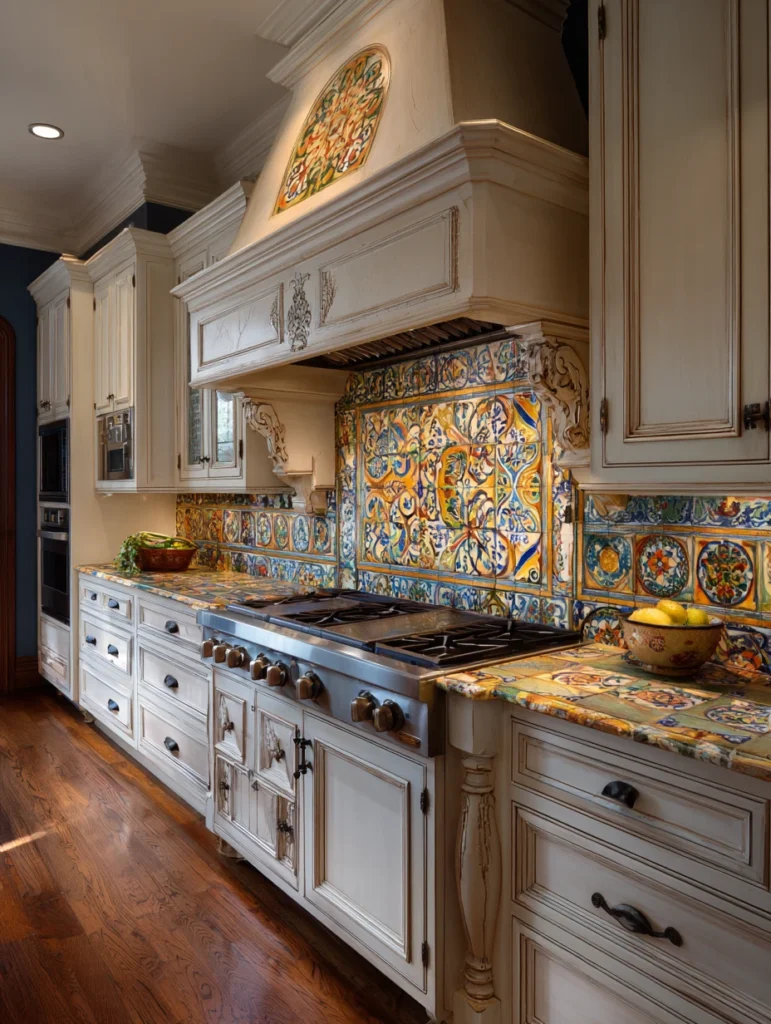
Artisan Details Make the Difference: Hand-painted ceramic tiles bring color, personality, and undeniable Italian character to your backsplash. Traditional Italian majolica tiles feature intricate patterns in blues, greens, yellows, and oranges, adding a bright touch to any kitchen. You don’t need to cover every wall – even a small section behind your stove can create a significant impact.
Pattern Mixing Done Right: Combining different tile patterns sounds risky, but it’s actually very Italian. Start with a cohesive color palette, then select 3-4 complementary patterns that share those colors. Place your boldest pattern in the focal area (behind the range), use simpler patterns on surrounding walls, and incorporate solid tiles as visual breaks.
Product Spotlight: The SomerTile Aresta Ceramic Wall Tile offers gorgeous Mediterranean-inspired patterns without requiring a trip to Italy. These tiles capture authentic designs at a fraction of the cost of custom-made ones. Install them with Custom Building Products Polyblend Grout in a complementary color that enhances your tiles rather than competing with them.
Read More: 17 Brilliant Open Shelving Pantry Kitchen Ideas
7. Wrought Iron Pot Rack Overhead
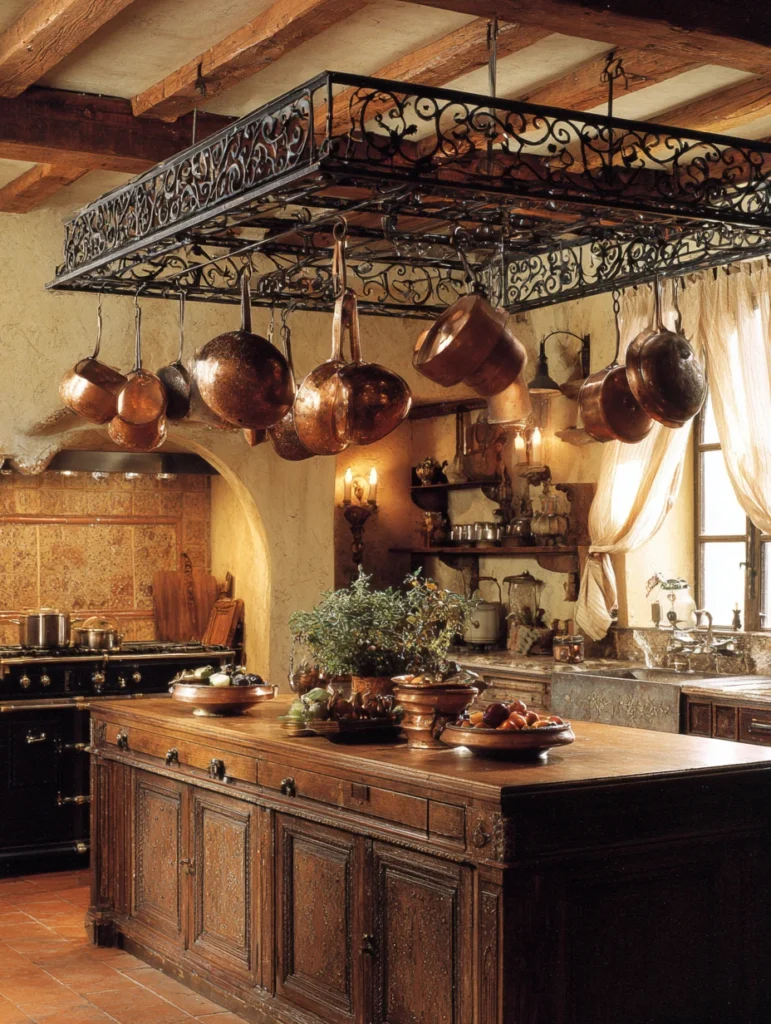
Practical Storage That Impresses: Hanging pots and pans from a wrought iron rack isn’t just space-saving – it’s very Italian. These racks keep frequently used cookware within arm’s reach while adding visual interest to empty ceiling space. The dark metal contrasts beautifully against light-colored walls or complements exposed beams perfectly.
Installation Location Strategy: Position your pot rack above the island or near the stove for maximum functionality. Ensure it’s high enough that tall people won’t bang their heads, but low enough actually to reach your pots without a step stool. Consider the visual weight – a large rack covered in copper pots becomes a focal point, so balance it with other design elements.
Product Spotlight: The Enclume Premier Collection Ceiling Pot Rack combines function with serious style, featuring hand-forged iron construction that’ll last forever. It’s pricey but worth it for the quality that matches Italian standards. Hang it with the Cuisinart Chef’s Classic Stainless Steel Cookware Set displayed proudly – these pots look professional.
Read More: 17 Ideas for Black Kitchen Sinks To Transform Your Kitchen
8. Rustic Wood Kitchen Island
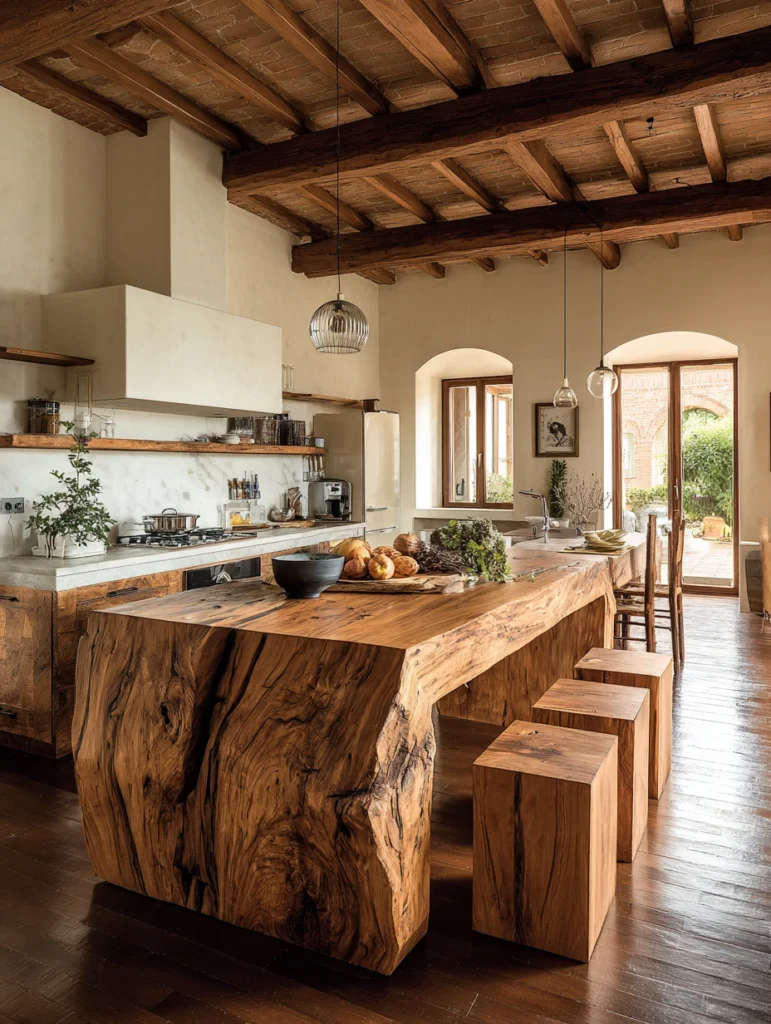
The Heart of Italian Cooking: A substantial wooden island serves as the heart of your kitchen, a gathering spot, prep station, and visual anchor. Go for thick, chunky wood – butcher block or reclaimed timber with visible grain and natural imperfections. The wood should appear to have been in your family for generations, even if you purchased it last month.
Functionality Beyond Beauty: Your island needs to work as hard as it looks good. Include storage underneath for pots, serving pieces, or wine bottles. Consider adding electrical outlets for appliances, hooks on the sides for hanging towels, and maybe a wine rack integrated into the design.
Product Spotlight: While custom islands are ideal, the Crosley Furniture Butcher Block Top Kitchen Island offers solid wood construction, storage, and a sturdy work surface. It’s movable, which is perfect if you’re renting or indecisive about placement. Maintain the wood with Howard Products Butcher Block Conditioner made from food-grade mineral oil and beeswax.
Read More: 21 Kitchen Remodel Ideas: Transform Your Cooking Space
9. Colorful Majolica Pottery Display
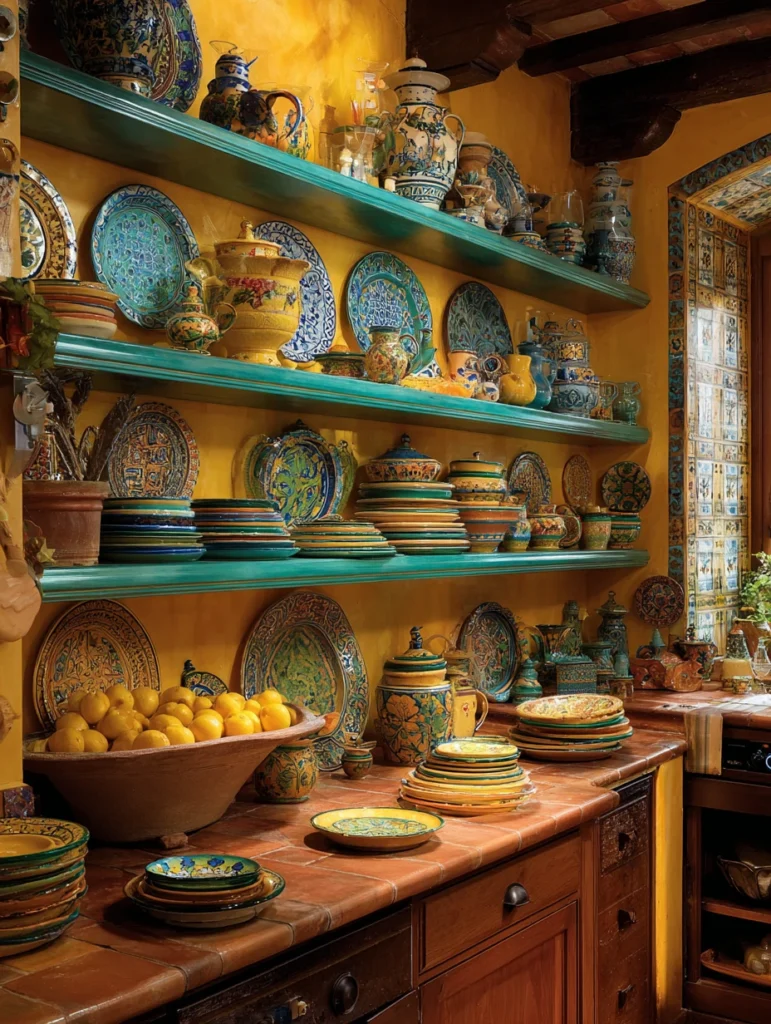
Celebrating Italian Ceramic Heritage: Majolica pottery, with its vibrant glazes and hand-painted designs, adds instant Italian personality. These pieces originated in Italy during the Renaissance and remain iconic to this day. Display them on open shelves, hang decorative plates on walls, or use serving bowls as functional art pieces.
Strategic Placement Philosophy: You don’t need an entire collection to make an impact. Three well-chosen pieces often work better than twenty random ones. Hang a large decorative plate above your sink, display a pitcher filled with wooden spoons near the stove, or place a bowl of fresh fruit in an ornate majolica bowl on your island.
Product Spotlight: The Deruta Italian Ceramic Olive Oil Bottle brings authentic Italian majolica craftsmanship to your countertop. It’s functional for storing olive oil while being gorgeous enough to display proudly. Add the Hand-Painted Italian Ceramic Fruit Bowl to hold actual fruit or serve as a standalone decorative element.
Read More: 21 Brilliant Lighting Ideas for Your Small Kitchen Island
10. Tuscan-Inspired Color Palette
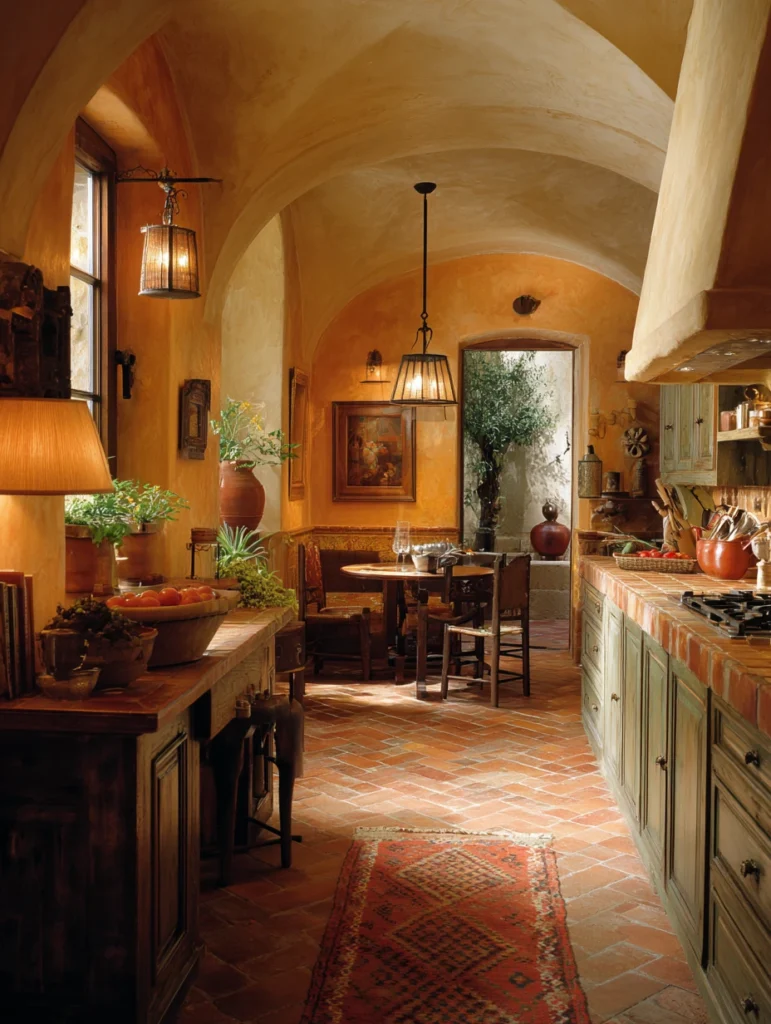
Warm Earth Tones Throughout: Italian kitchens often feature colors found in Tuscan landscapes, including terracotta reds, golden yellows, olive greens, and warm creams. These hues create a welcoming atmosphere that feels lived-in and loved—paint walls in soft, sun-washed tones rather than stark white. Incorporate deeper accent colors through tile work, pottery, or textiles.
Balancing Color and Neutrality: While Italian kitchens use color generously, they do so without overwhelming the space. Start with neutral walls and cabinetry, then layer in color through changeable elements like dish towels, ceramics, and fresh ingredients. A bowl of bright lemons, bunches of fresh herbs, and ripe tomatoes provide natural color that’s quintessentially Italian.
Product Spotlight: Behr Premium Plus Paint in Tuscan Beige offers the perfect warm neutral for walls that works with virtually any accent color. It’s a high-quality paint that covers well and washes easily – important in kitchens where splatter happens. Complement it with Benjamin Moore Advance in Hunter Green for cabinets or accent walls.
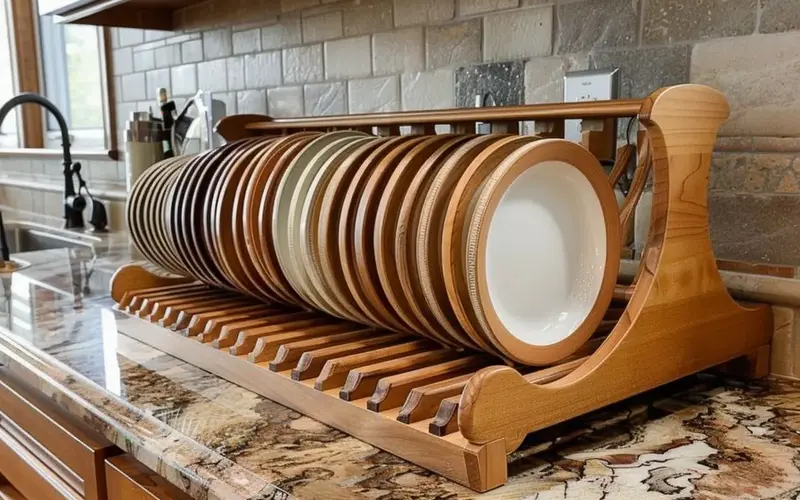
Read More: 15 Stylish Wooden Dish Drying Rack for the Kitchen
11. Arched Doorways and Windows

Architectural Romance Elevated: Arched openings are a signature feature of Italian architecture, adding elegance and visual interest. If you’re renovating, consider converting a standard doorway into an arch – it’s more affordable than you’d think. Can’t modify structural elements? Fake it with decorative molding that creates an arched effect or use wallpaper borders to suggest arches.
Creating Illusion Cost-Effectively: Not everyone can knock down walls and rebuild archways. Fortunately, creative solutions exist. Apply flexible molding to create arched shapes above doorways and windows. Paint the arch detail in a contrasting color to make it stand out. Use curtain rods bent into arched shapes for a stylish window treatment.
Product Spotlight: The Ekena Millwork Flexible Molding bends to create perfect arches and installs with construction adhesive. It’s paintable and looks like traditional plaster molding once finished. Use Heavy-Duty Construction Adhesive for a secure installation that won’t fail under weight.
Read More: How to Create a Serene Kitchen with Sage Green Cabinets?
12. Wine Storage Integration
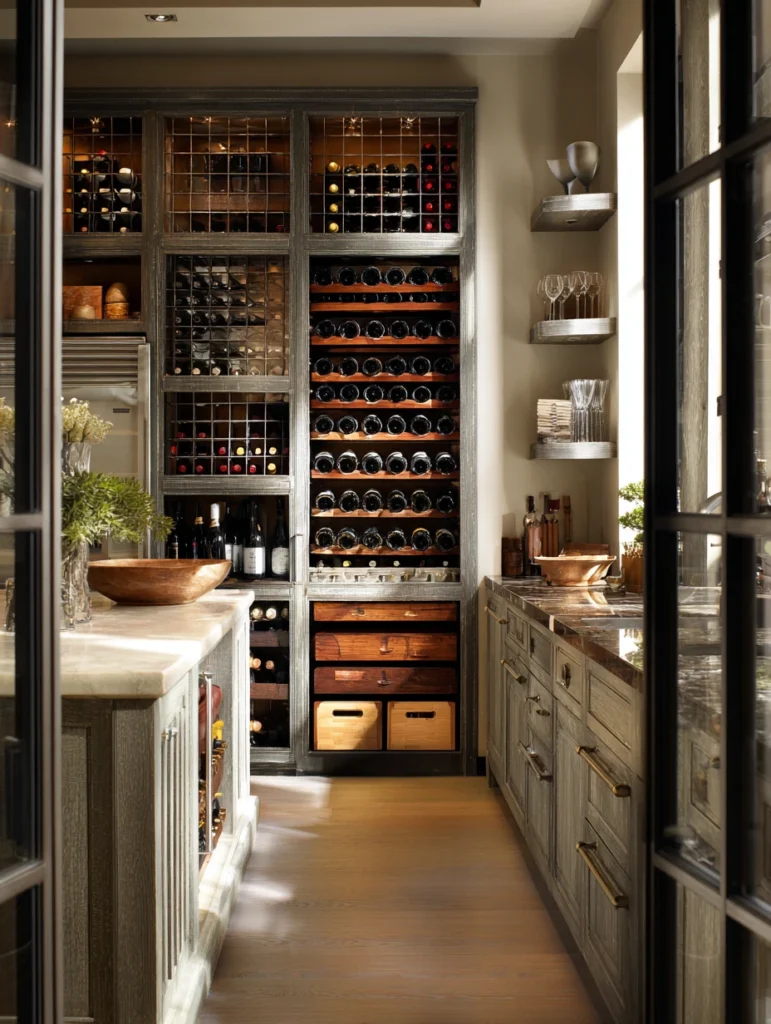
Honoring Italian Culture: Wine isn’t just a beverage in Italian culture – it’s a way of life. Integrating wine storage into your kitchen design makes sense functionally and aesthetically. Built-in wine racks, small wine refrigerators, or dedicated wine storage areas acknowledge the role wine plays in Italian cooking and dining.
Storage Style Options: Your wine storage should match your kitchen’s overall aesthetic and your actual wine-drinking habits. Casual wine drinkers might prefer a small countertop rack holding 6-10 bottles. Serious collectors need climate-controlled storage and larger capacity. Consider incorporating a small wine fridge into your island or under-counter cabinetry.
Product Spotlight: The Sorbus Wine Rack Stand holds dozens of bottles in a floor-standing design that resembles custom-built-in cabinets but costs a fraction of the price. The metal construction with wood shelves combines industrial and rustic elements perfectly. Keep wines at proper temperature with the NutriChef Thermoelectric Wine Cooler, a compact option that fits under counters or on countertops.
Read More: 17 Ultra Chic Rustic Kitchen Ideas You Can Try Right Now
13. Fresh Herbs in Terracotta Pots
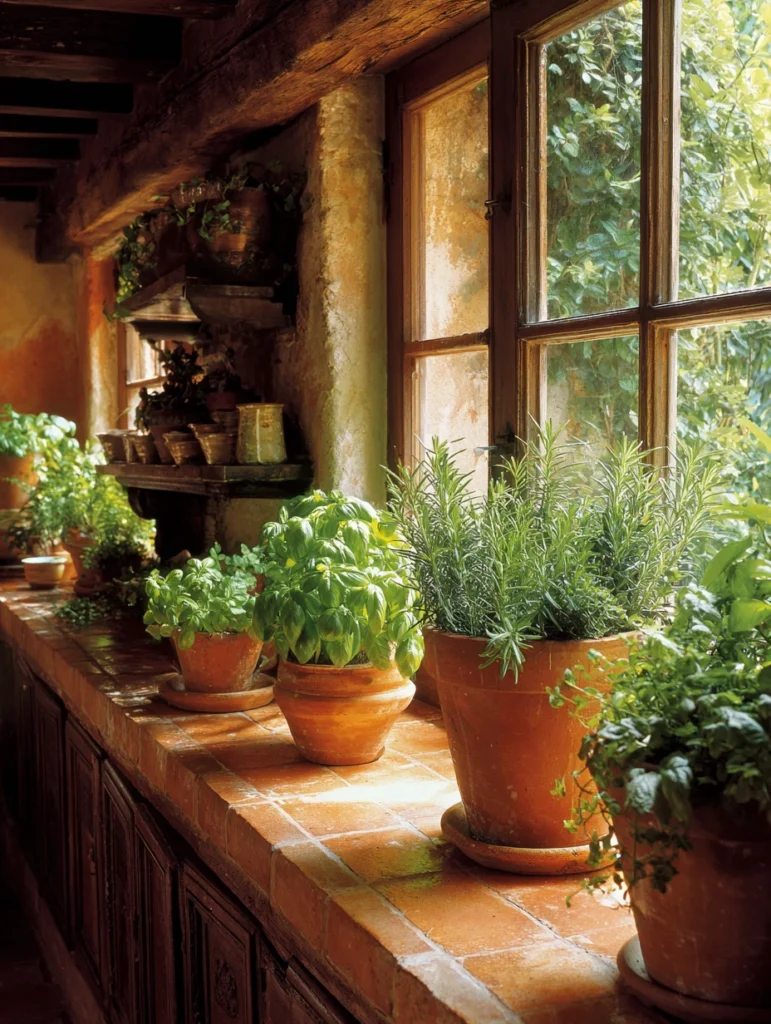
Living Ingredients Displayed: Italian cooking relies heavily on fresh herbs, with basil, rosemary, oregano, thyme, and parsley appearing in countless dishes. Growing these herbs in terracotta pots on your windowsill or countertop provides fresh ingredients while adding life and fragrance to your kitchen.
Herb Garden Success Tips: Most culinary herbs need at least 6 hours of sunlight daily, so position pots near a south-facing window if possible. Terracotta pots breathe and prevent overwatering, but they dry out quickly, so it’s essential to check the soil moisture regularly. To maintain continuous leaf production, avoid allowing herbs to flower; instead, pinch off flower buds as they appear.
Product Spotlight: The Mkono Ceramic Planters Set features drainage holes and saucers in the classic terracotta color that Italian kitchens adore. These pots are perfectly sized for herbs and look cohesive when displayed together. Plant them with Bonnie Plants Herb Collection, which includes transplants of popular Italian herbs ready to grow.
Read More: 21 Beautiful Kitchen Islands That’ll Upgrade Your Look
14. Copper Cookware and Accents
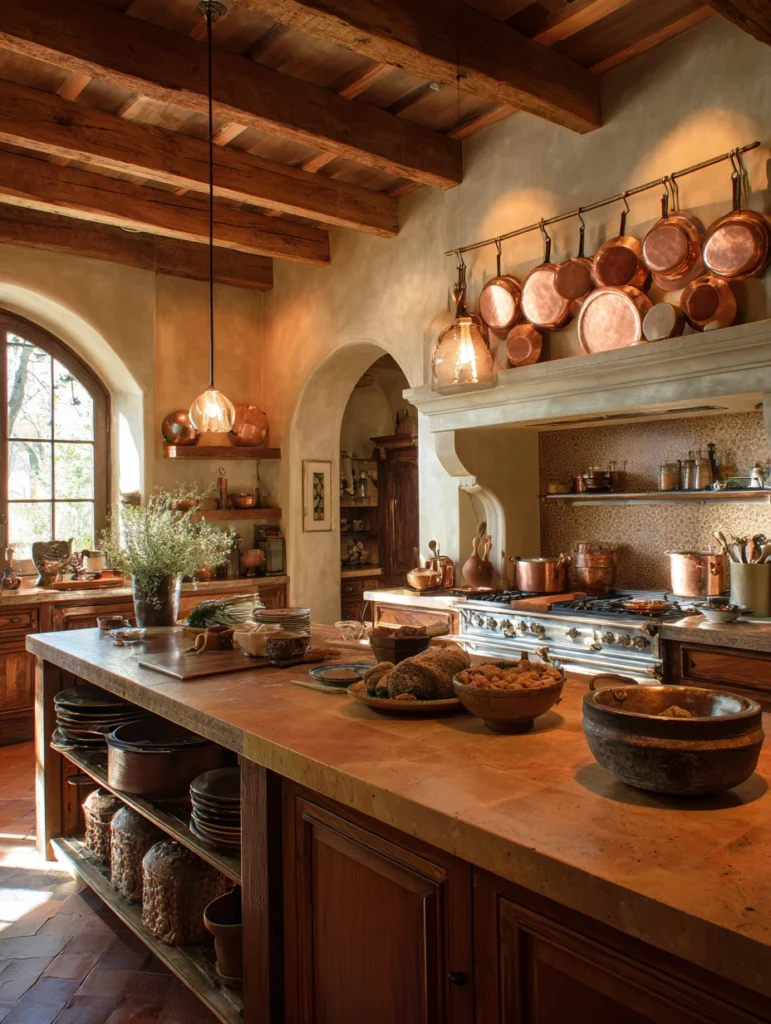
Metallic Warmth Everywhere: Copper brings warmth, luxury, and a truly authentic Italian kitchen vibe. Traditional Italian copper cookware conducts heat beautifully and develops a gorgeous patina over time. Even if you don’t cook with copper pots (they require maintenance and aren’t dishwasher safe), incorporating copper accents transforms your space.
Maintenance Reality Check: Real copper requires polishing to maintain its shine, which some people love, and others find annoying. Decide whether you want polished copper’s bright shine or aged copper’s darker patina – both look authentically Italian but create different moods.
Product Spotlight: The Hammered Copper Tri-Ply Stainless Steel Cookware Set combines the beautiful appearance of copper with the easy maintenance of stainless steel. The hammered finish effectively conceals wear and lends an incredibly sophisticated appearance. Add Home Intuition Copper Moscow Mule Mugs as functional decor – hang them on hooks near your bar area or coffee station.
Read More: 17 Easy Kitchen Storage Ideas That Will Change Your Life
15. Stone or Brick Accent Wall
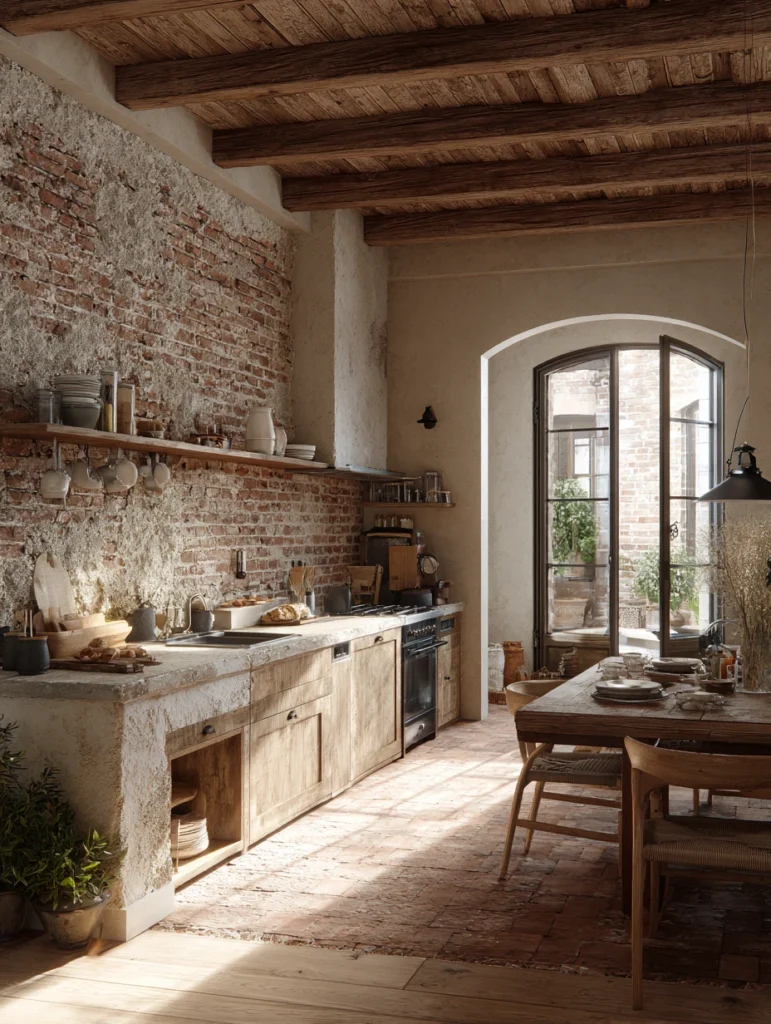
Textural Interest That Tells Stories: An exposed brick or stone accent wall adds instant age and character to your kitchen. If you’re lucky enough to have original brick or stone hiding under plaster, expose it. No existing masonry? Thin brick veneer or faux stone panels create similar effects without major construction.
Choosing Your Wall Wisely: Not every wall needs to be made of brick or stone – that’s overkill. Select one focal wall, typically behind the range or around the dining area. The textural wall becomes your backdrop, so keep it free of too many competing elements. Seal brick or stone properly to prevent dust and make cleaning manageable.
Product Spotlight: The Peel-and-Stick Brick Wall Panels offer an incredibly realistic brick texture that installs without mortar, grout, or professional help. These panels are ideal for renters or those concerned about making permanent changes. Seal them with Miracle Sealants Porous Plus Penetrating Sealer to protect against kitchen grease and moisture while maintaining the natural look.
Read More: 17 Kitchen Organization Ideas That Just Make Sense
16. Vintage Italian Posters and Artwork
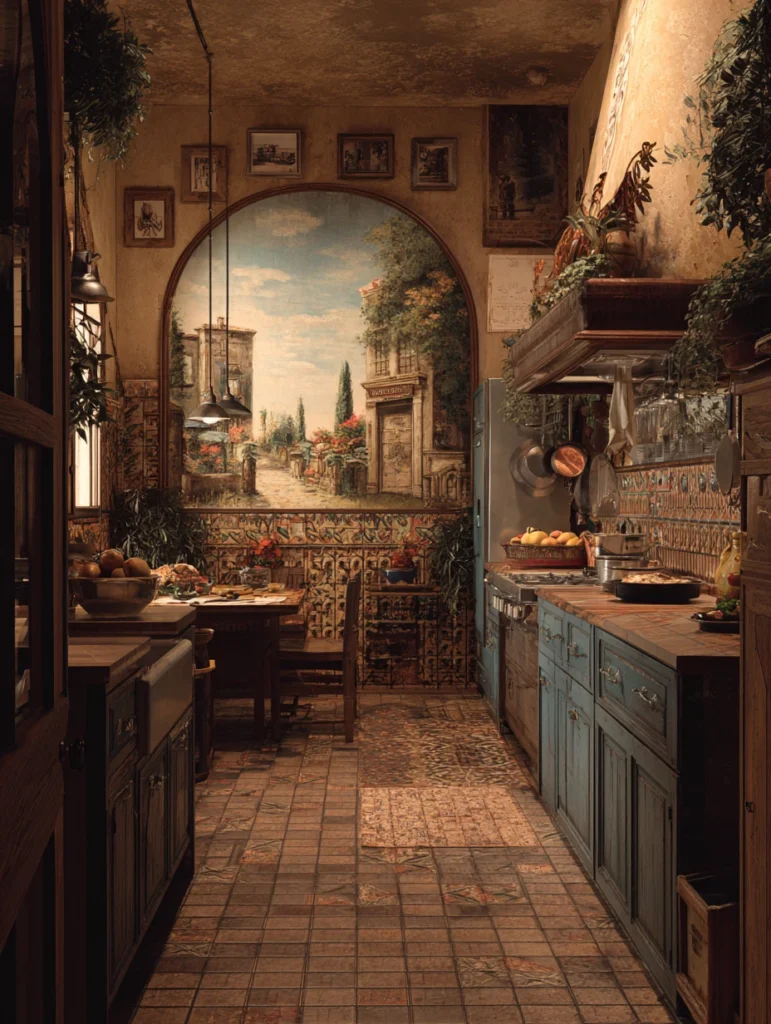
Cultural Nostalgia Displayed: Vintage Italian advertising posters, food photography, or landscape artwork reinforce your kitchen’s theme while adding personality. Look for prints featuring Italian products, such as Campari, Peroni, pasta brands, or olive oil companies. Landscape scenes of Tuscan hills, Amalfi Coast views, or Roman architecture transport you mentally while you cook.
Curation and Placement: Creating a gallery wall in your kitchen requires balance. Group smaller pieces together or make one large statement piece your focal point. Hang artwork at eye level, typically 57-60 inches from the floor to the center of the piece. Consider practical placement – avoid areas directly above the stove where grease splatter becomes an issue.
Product Spotlight: The Vintage Italian Travel Poster Prints available on Amazon feature authentic designs from Italy’s golden age of advertising and tourism. These affordable prints look expensive when properly framed. Display them using the MCS 16×20 Inch Format Frame in black or natural wood finishes that complement Italian aesthetics.
17. Rustic Dining Table and Mismatched Chairs
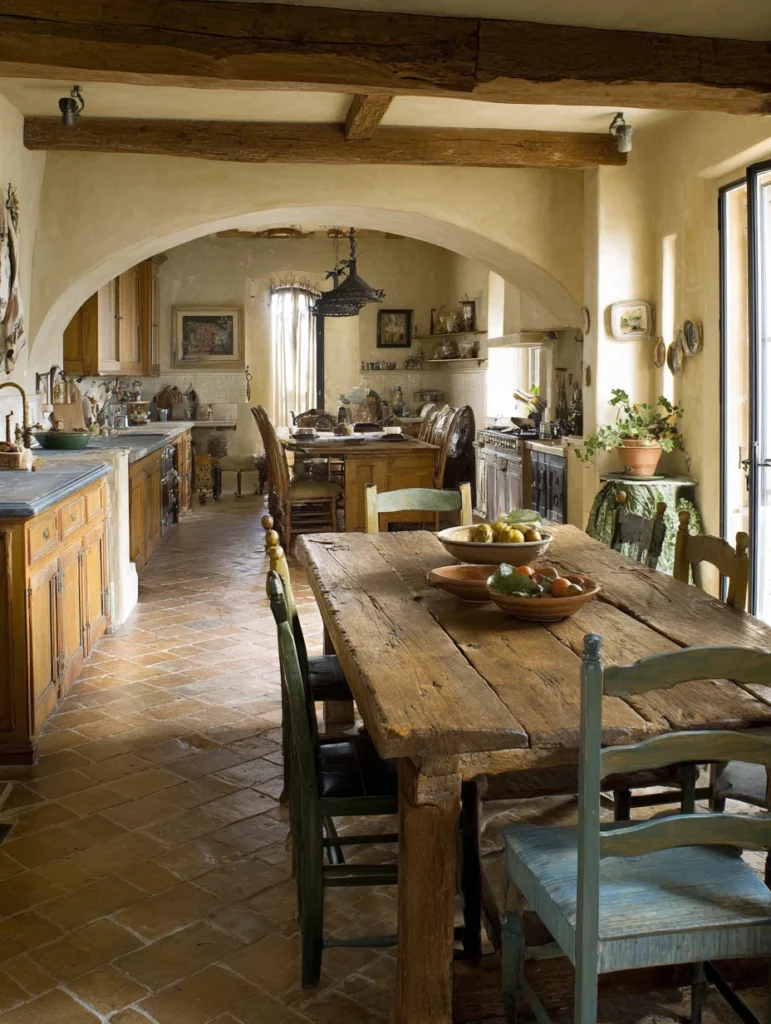
Casual Elegance for Gathering: Italian families gather around the table for hours, so your dining area should encourage lingering. Choose a rustic wood table with visible grain and natural imperfections. Skip the perfectly matched dining set – instead, collect mismatched chairs that share a common element, such as color, style, or material.
Creating Cohesion Through Chaos: Mismatched chairs work when there’s an underlying structure to the variety. Choose chairs in the same color family, select similar styles (all farmhouse, all vintage, all modern), or unite disparate pieces with coordinating seat cushions. Include at least one bench if your table accommodates it – benches are practical and very Italian.
Product Spotlight: The Ashley Furniture Grindleburg Dining Room Table captures rustic Italian farmhouse style with its weathered finish and plank-style top. It’s solid wood construction built to withstand daily family meals and weekend dinner parties. Surround it with the Christopher Knight Home Anara Cross Back Dining Chairs in various finishes.
18. Textile Layers for Softness
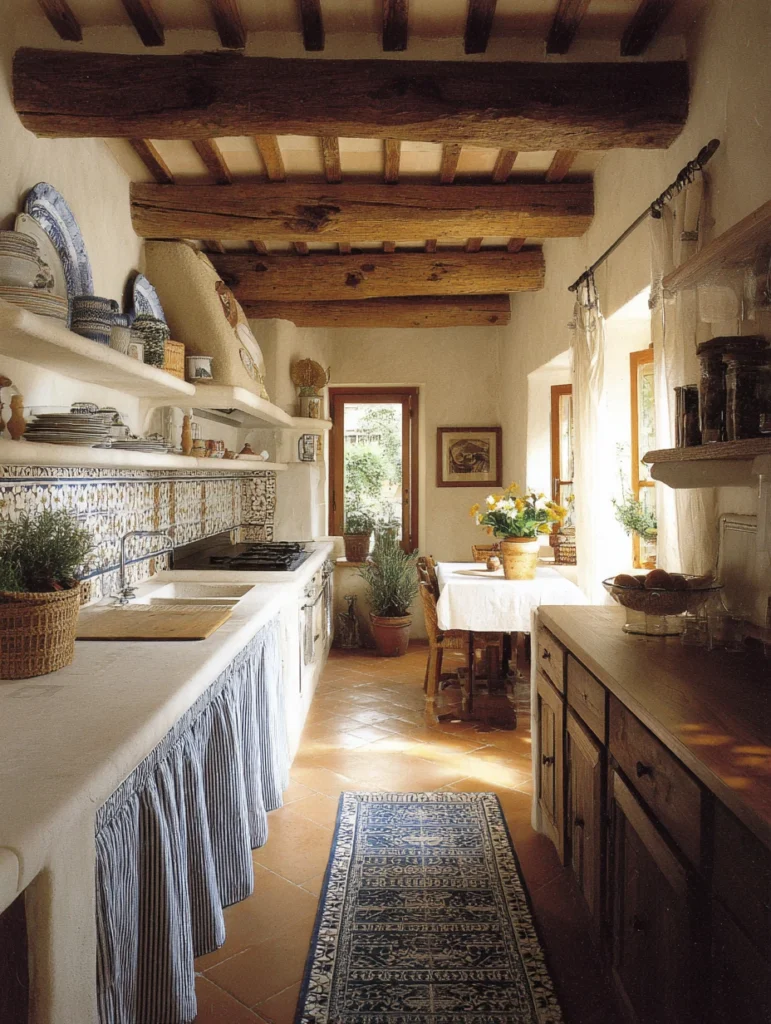
Fabric’s Warming Influence: Italian kitchens incorporate textiles generously – linen dish towels, cotton table runners, woven placemats, and casual window treatments soften hard surfaces. Choose natural fabrics in Italian-inspired colors and patterns. Stripes, checks, and simple geometrics work better than busy florals or contemporary abstracts.
Practical Beauty Combined: Your kitchen textiles should be both genuinely functional and decorative. Choose dish towels that actually dry dishes, pot holders that protect your hands, and table linens that can survive spaghetti sauce spills.
Product Spotlight: The LinenMe Linen Kitchen Towels come in beautiful colors that coordinate perfectly with Italian kitchens, including terra cotta, sage, and natural linen. These towels are absorbent, durable, and get softer with every wash. Add the Solino Home Pure Linen Table Runner in a complementary shade for your dining table or kitchen island.
19. Open Windows with Simple Treatments
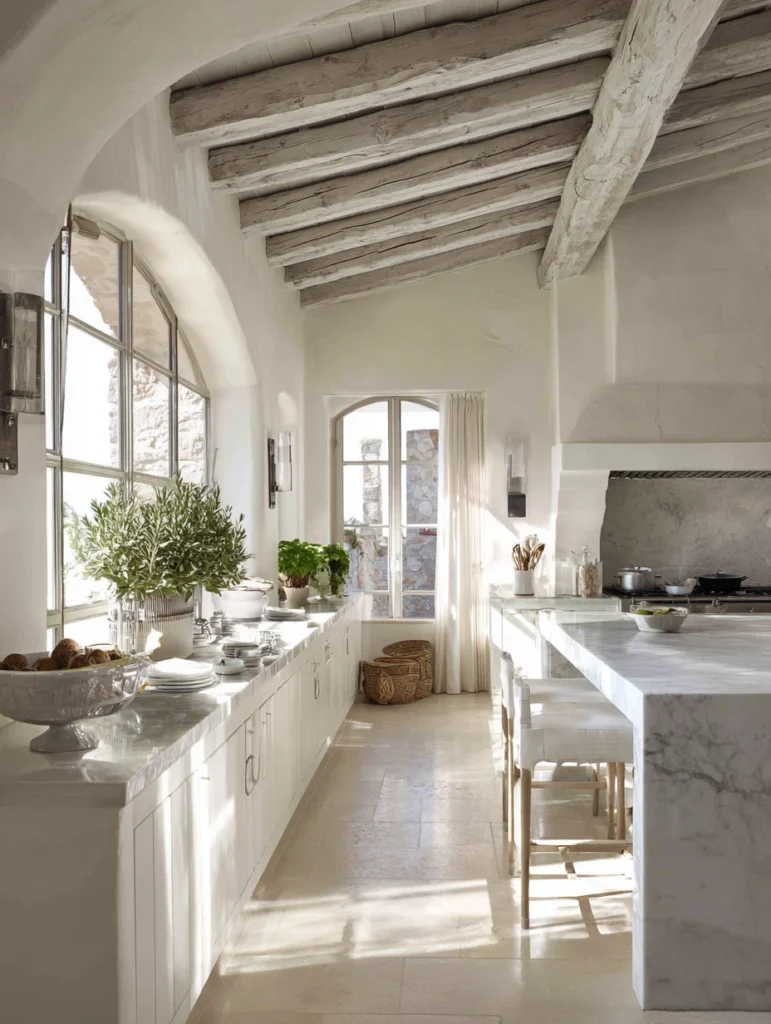
Embracing Natural Light: Italian kitchens prioritize natural light over artificial lighting. Keep window treatments minimal – simple cafe curtains, lightweight linen panels, or nothing at all if privacy permits. The goal is to maximize light infiltration while maintaining some control over harsh afternoon sun.
Treatment Style Selection: When privacy or light control is required, choose treatments that complement rather than compete with your Italian design. Bamboo shades add natural texture, white wood blinds provide crisp contrast, and linen curtains soften without blocking light completely.
Product Spotlight: The Linen Sheer Curtain Panels filter light beautifully while maintaining privacy and airflow. These lightweight panels move with breezes and create soft, dreamy atmospheres. Install them with the Classic Twist and Shout Drapery Rod, which features decorative finials in oil-rubbed bronze or brushed nickel, complementing Italian styling.
20. Statement Lighting Fixtures
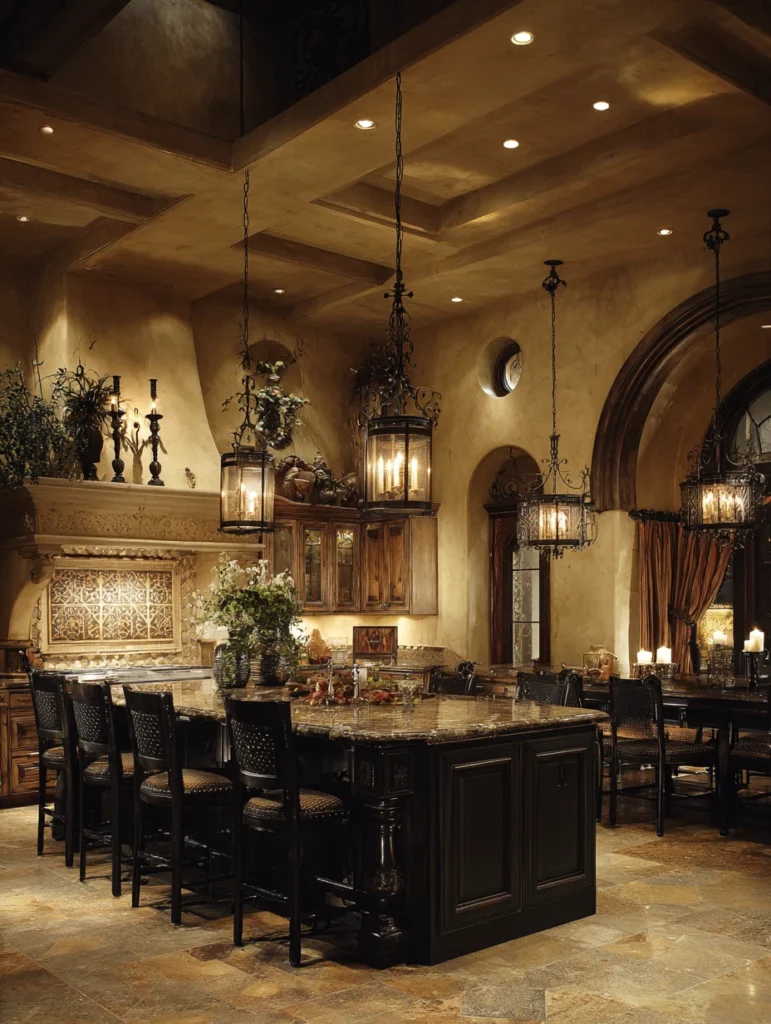
Illumination as Design Element: Lighting fixtures in Italian kitchens make bold statements while providing necessary illumination. Consider wrought iron chandeliers above dining tables, pendant lights with glass or ceramic shades over islands, or industrial-style fixtures that mix metal and wood. Scale matters – your lighting should be proportional to the space and furniture it illuminates.
Layered Lighting Strategy: Great kitchen lighting combines ambient, task, and accent layers. Overhead fixtures provide general illumination, under-cabinet lights brighten work surfaces, and decorative pendants add visual interest. Dimmer switches allow you to adjust the mood from a bright cooking mode to an ambient dinner party atmosphere.
Product Spotlight: The Westinghouse Lighting One-Light Adjustable Mini Pendant features seeded glass, creating a handcrafted Italian look at an accessible price point—group several over your island for dramatic effect. Add the Kichler Barrington Pendant Light, featuring a distressed wood and metal construction, to spaces that need rustic elegance.
21. Fresh Bread in a Rustic Basket
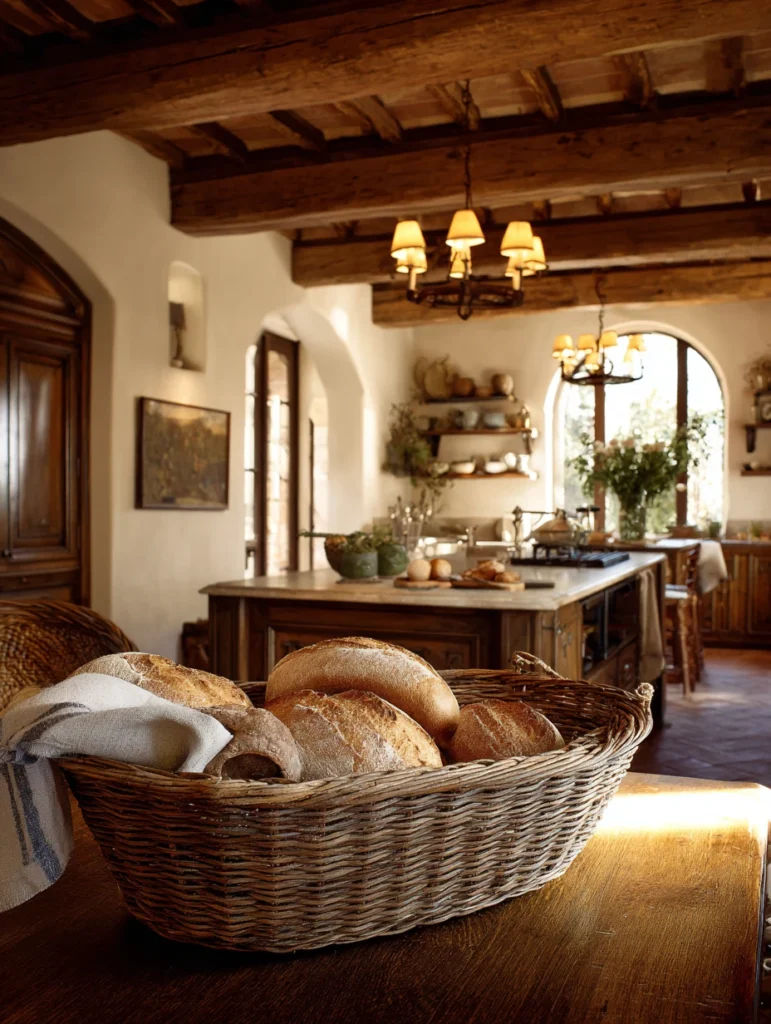
Daily Ritual Displayed: Nothing says Italian kitchen like fresh bread displayed in a rustic basket on your counter or table. This isn’t just decoration – it’s a functional display that makes bread easily accessible and keeps it fresh longer than plastic bags. Choose a woven basket with character, line it with a linen cloth, and keep it stocked with crusty bread, focaccia, or whatever you’re baking or buying.
Beyond Bread Storage: Your bread basket becomes a gathering point – people naturally gravitate toward bread, especially when it’s warm and inviting. Position it centrally on your island or dining table where it’s accessible and visible. Change the linens seasonally or when they become dirty and need washing. Use similar baskets throughout your kitchen for storing onions, garlic, or root vegetables.
Product Spotlight: The Woven Bread Basket boasts a hand-woven construction with handles and a cotton liner, making it perfect for storing daily bread in a way that looks intentional, not haphazard. Keep bread fresh longer with the Bee’s Wrap Reusable Food Wraps made from organic cotton and beeswax.
Final Thoughts
There you have it – 21 ways to infuse your kitchen with authentic Italian style. These ideas work whether you’re planning a complete renovation or just want to add a few touches that make your space feel more special. The beauty of Italian kitchen design lies in its emphasis on natural materials, warm colors, and functional beauty that enhances daily life.
You don’t need to implement every idea to create an Italian-inspired kitchen. Start with what resonates most with you, add elements gradually, and let your space evolve naturally. What Italian kitchen element are you most excited to try first?