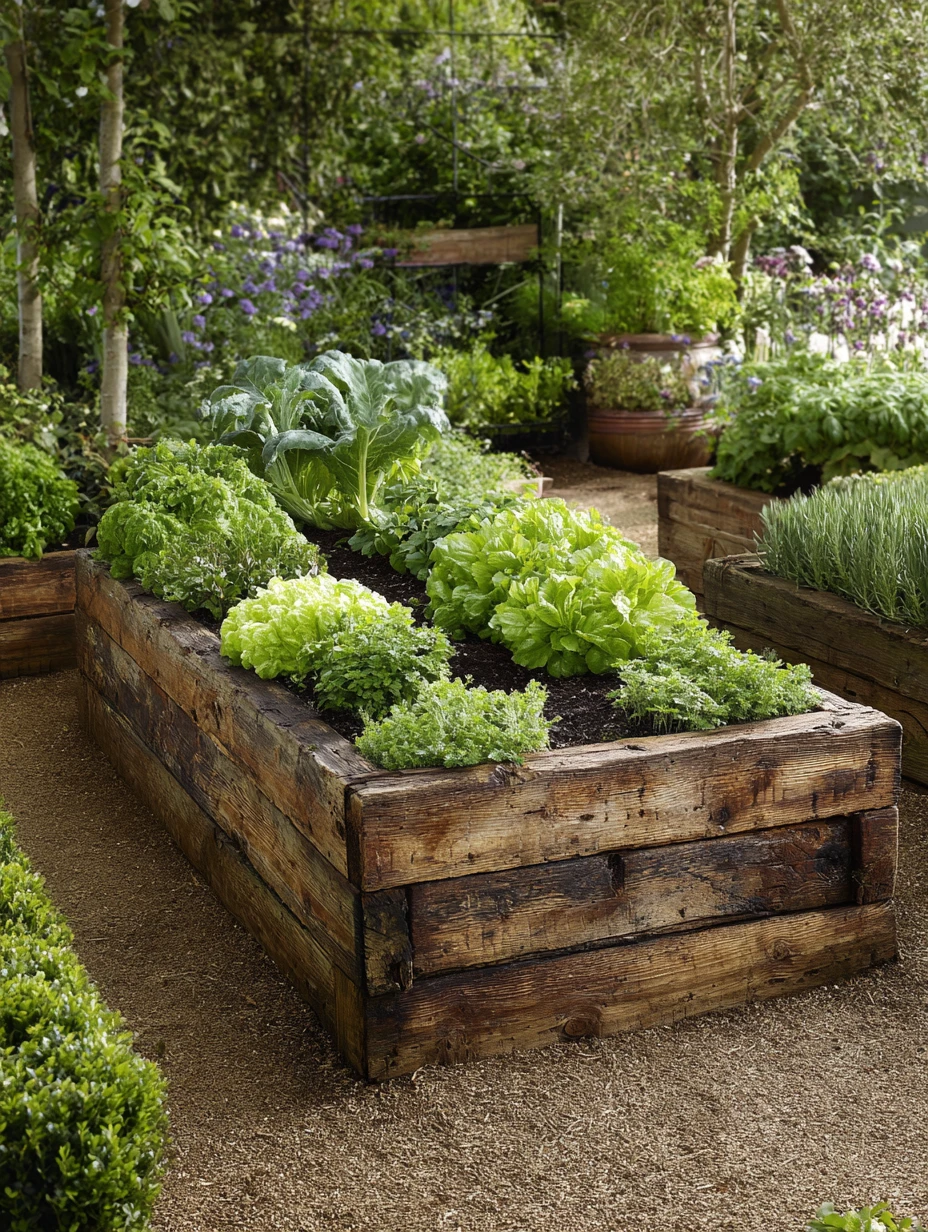

So you’re thinking about starting a garden, but you want it to look good while you’re at it? I totally get it. There’s something incredibly satisfying about creating a space that’s both functional and beautiful. Raised garden beds aren’t just practical; they’re also a fantastic way to add visual interest to your outdoor space while providing your plants with the best possible growing environment.
Whether you’re working with a tiny balcony or a sprawling backyard, there’s a raised bed style that’ll work perfectly for you. Let’s explore some creative options that’ll have your neighbors asking for your secret.
1. Classic Wooden Frame Beds with Clean Lines
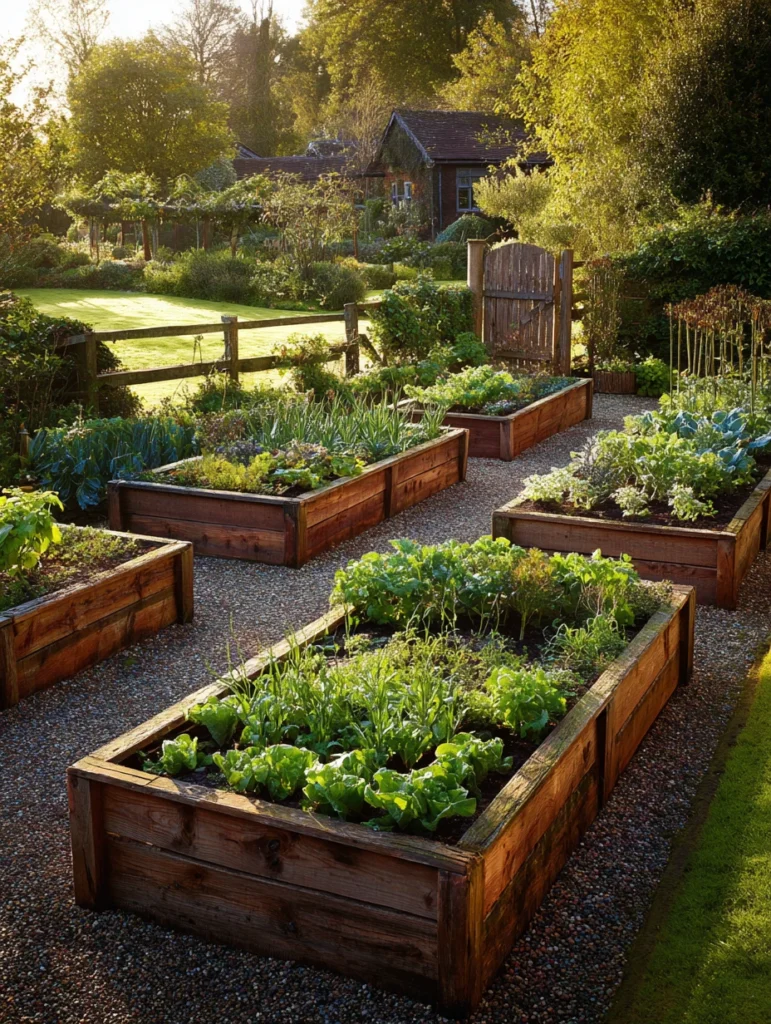
Why People Love Wood: Wood feels natural and warm, and it doesn’t retain heat the way metal does, which means your soil stays cooler during scorching summers. You can also customize the dimensions to fit awkward spaces or create specific layouts for different plants.
Building and Maintenance Tips: Cedar and redwood are your best options because they resist rot naturally, although they may cost more upfront. If you’re budget-conscious, pine works fine but will need to be replaced in about five to seven years. Stack two boards for deeper beds if you’re growing root vegetables – your carrots and potatoes will thank you.
Product Spotlight: The Rust-Oleum Exterior Wood Stain protects your wooden frames while enhancing the grain, and the Wood Raised Garden Bed Kit provides a high-quality starting point without the hassle of building.
Read More: 21 Inspiring Vegetable Garden Design Ideas
2. Galvanized Metal Beds for Modern Vibes
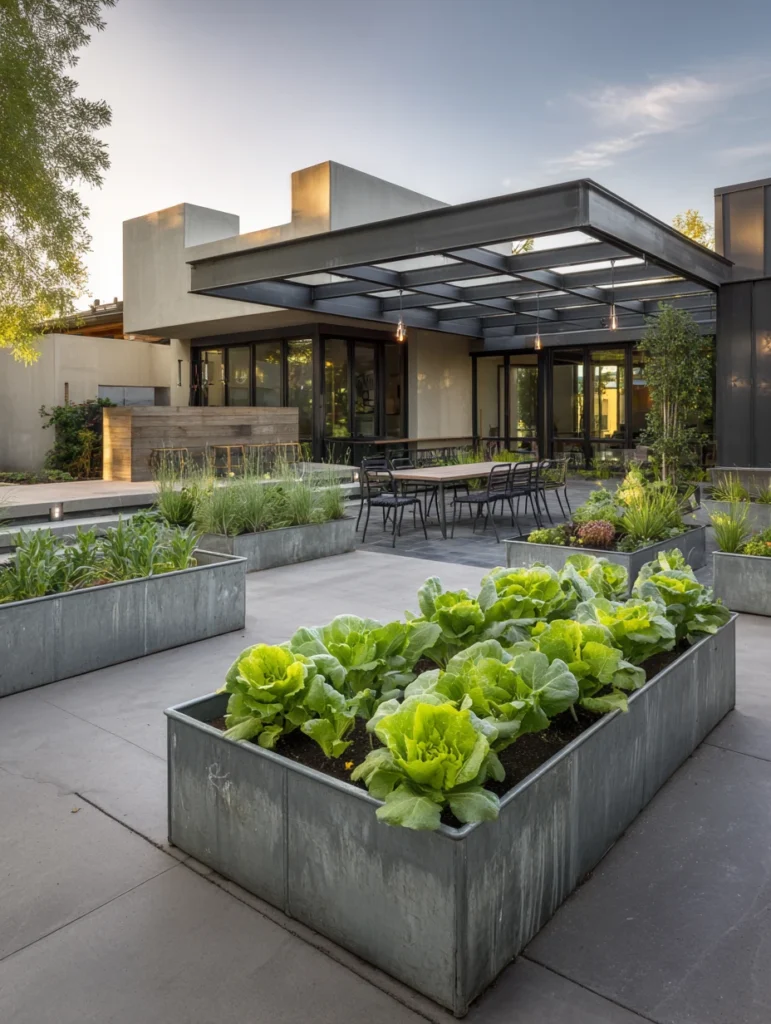
The Heat Factor: Metal beds absorb and retain heat more than other materials, so your soil warms up earlier in spring and cools down later in fall. In extremely hot climates, this means you’ll need to water more frequently because the soil dries out faster. Some gardeners solve this by adding extra mulch or using shade cloth during peak summer.
Durability and Aesthetics: Galvanized beds won’t rust or rot, and they retain their appearance as well in year five as they do in year one. The metal won’t splinter or deteriorate, making them an investment that pays off over time. They’re also lighter than wood, which matters if you ever need to move your bed.
Product Spotlight: The Birdies Metal Galvanized Raised Garden Bed offers professional-grade quality with a modern aesthetic, while the Self-Watering Galvanized Metal Planter Box combines the industrial look with innovative watering features that reduce maintenance.
Read More: 21 Small Zen Garden Ideas for a Tranquil Home
3. Tiered and Stacked Bed Designs
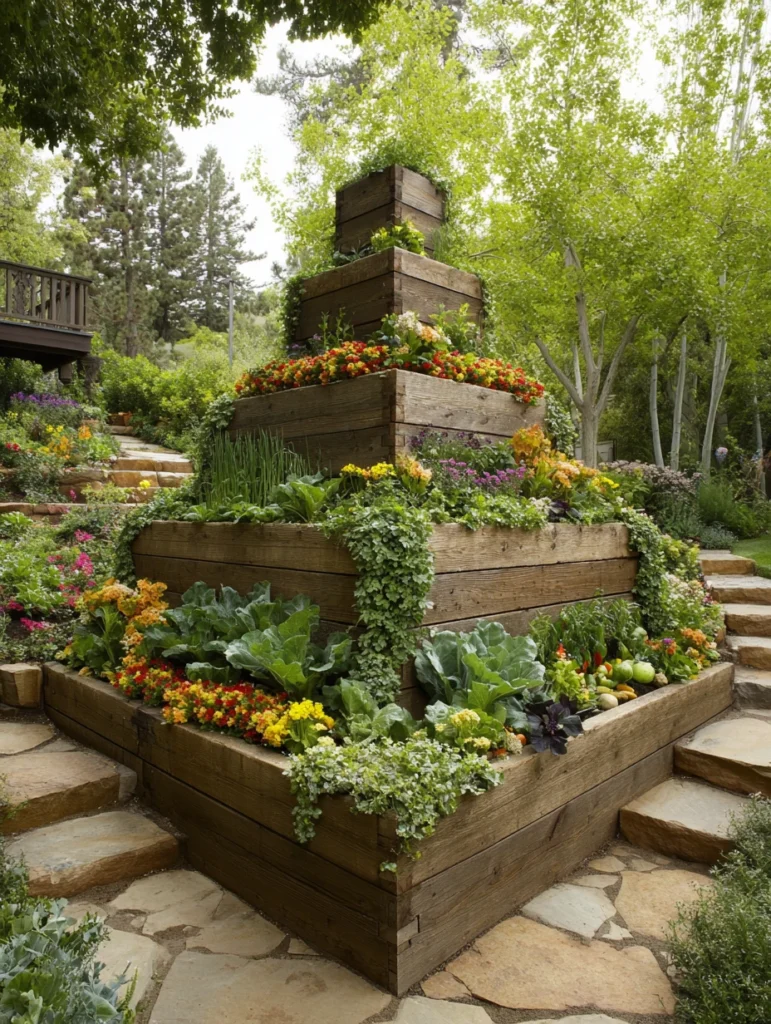
Layering for Impact: Start with a broader base and make each tier progressively smaller as you stack upward. This pyramid effect makes your garden feel intentional and artistic. You can plant different items at each level – herbs on top, salad greens in the middle, and root vegetables at the base – creating a functional and visually appealing display.
Structural Considerations: Ensure your base is sturdy and level before adding additional tiers. Wind can topple unstable stacked beds, so securing connections is crucial. Use brackets or corner reinforcements to keep everything solid, and don’t go higher than three or four tiers unless you’ve got serious building skills.
Product Spotlight: The Pure Garden Tiered Planter Box Set comes pre-designed for stacking, and the Suncast Tiered Garden Planter is lightweight yet stable enough for most backyards.
Read More: 21 Cottage Garden Ideas for a Whimsical Space
4. Corten Steel Beds for Industrial Elegance
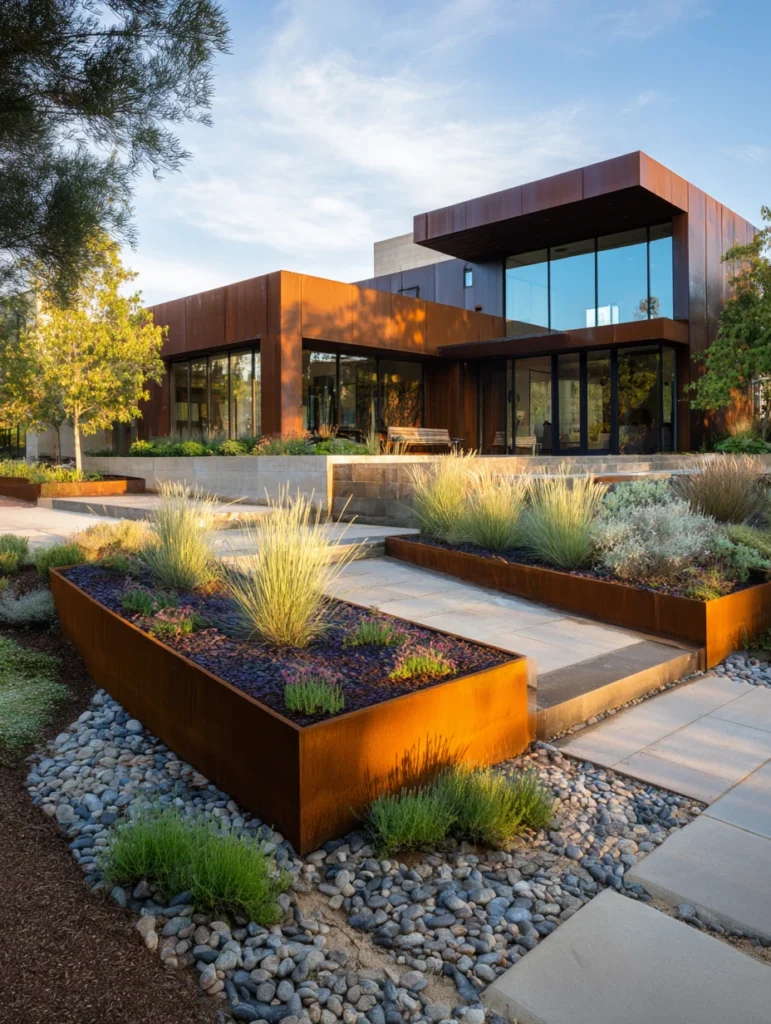
The Visual Evolution: New corten beds start as silvery-gray, then gradually develop that gorgeous rust-orange color over weeks or months. This transformation is part of the appeal – your garden beds literally change and mature before your eyes. It’s like watching your garden develop character.
Cost and Longevity: Yeah, corten costs more than galvanized steel, but it lasts 50+ years with minimal maintenance. You’re paying for durability and aesthetics, and honestly, the investment makes sense if you’re planning to keep your beds for decades. The low-maintenance aspect means you won’t have to replace or repaint constantly.
Product Spotlight: Our Steel Raised Garden Bed Kit, sourced from quality suppliers, offers authentic aging properties, and Weathering Steel Planter Boxes give you that designer look without the designer price tag.
Read More: How to Design a Container Garden for Your Flowers
5. Composite Material Beds for Zero Maintenance
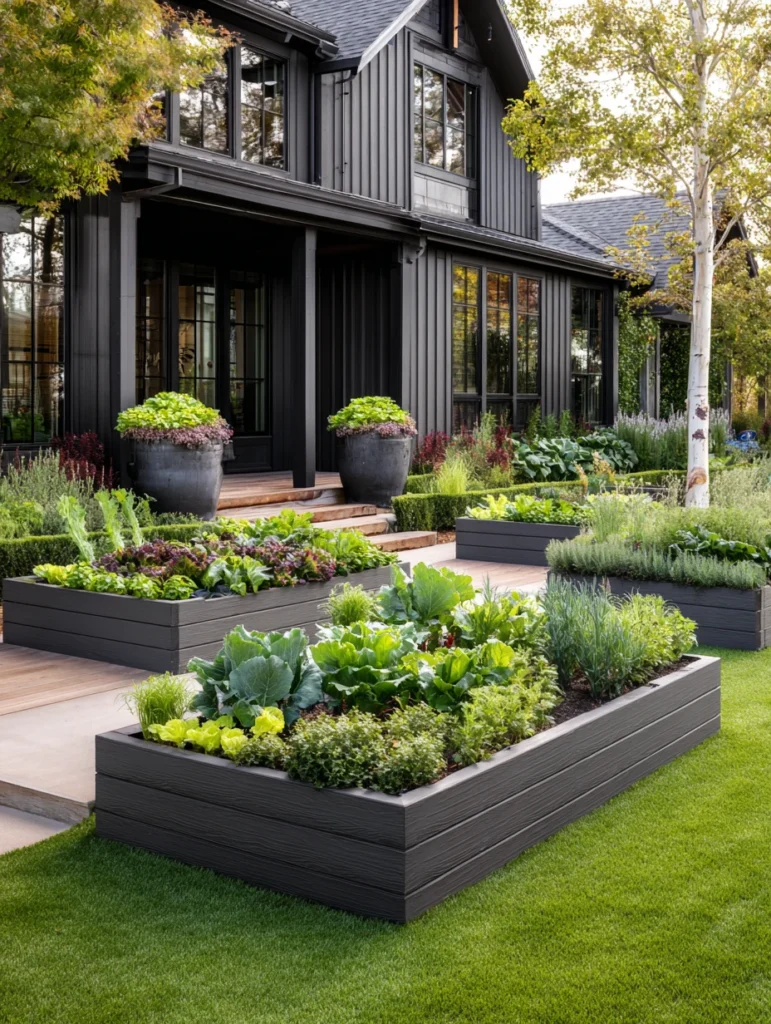
The Durability Question: Composite materials don’t rot, warp, or splinter, and they resist fading better than wood. They’re UV-stabilized, so they won’t turn gray and weathered-looking unless that’s the desired aesthetic. Many composite options are also made from recycled materials, which appeals to environmentally conscious gardeners.
Appearance Options: Modern composite beds come in multiple colors – not just wood tones. You can find gray, charcoal, and even warm brown options that complement any outdoor space. They look clean and polished year-round, which works well if your garden is visible from the street or patio.
Product Spotlight: The Weatherly Composite Raised Garden Bed looks like real wood but requires zero maintenance, and Turning Point Composite Planter Boxes offer eco-friendly construction with a premium appearance.
Read More: Amazing Herb Garden Ideas for Your Outdoor Oasis
6. Stone and Brick Beds for Permanent Structure
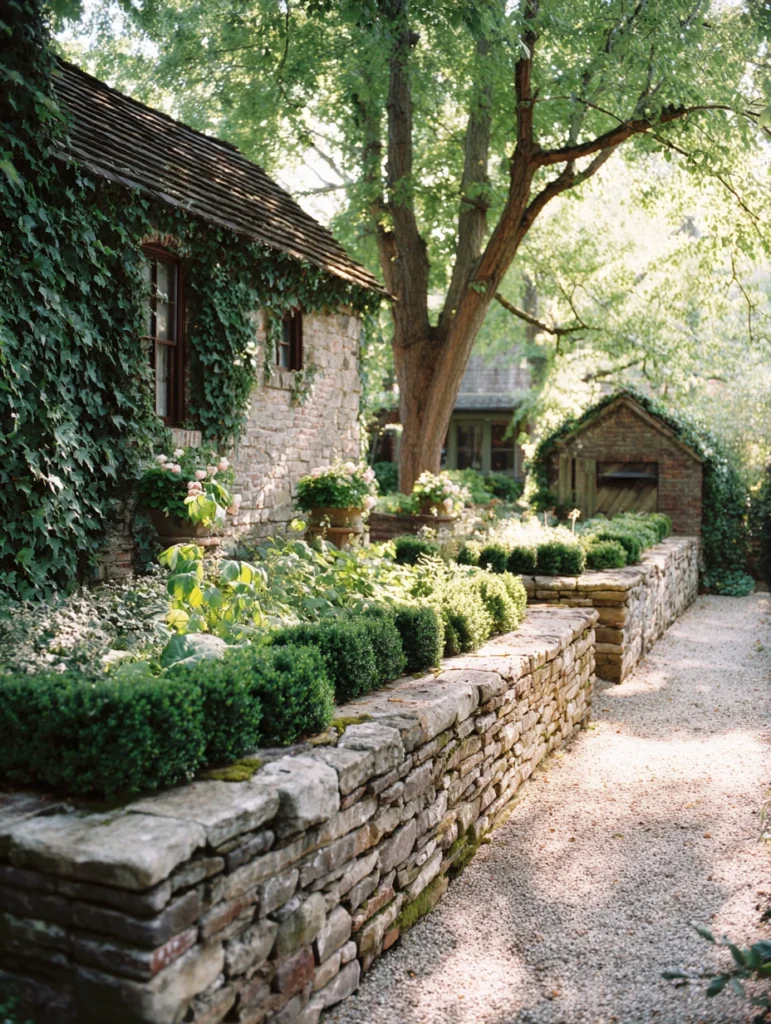
Aesthetics and Permanence: Stacked stone or brick creates texture and visual interest that other materials struggle to match. Weathered brick has a rustic and charming appearance, while cut stone has a more refined and contemporary feel. Whatever you choose, these materials age beautifully and become more attractive over time.
Installation Reality Check: Building stone or brick beds requires more skill and effort than stacking wood boards. You’ll need mortar, proper drainage considerations, and possibly professional help, unless you have experience with masonry. The payoff is a bed that’ll outlast you and your grandkids.
Product Spotlight: Pavestone Retaining Wall Blocks stack easily and come in colors that coordinate beautifully, while Tumbled Brick Pavers offer that aged, established look with incredible durability.
Read More: 21 Corner Garden Ideas to Transform Your Backyard
7. Vertical Tower Gardens for Small Spaces
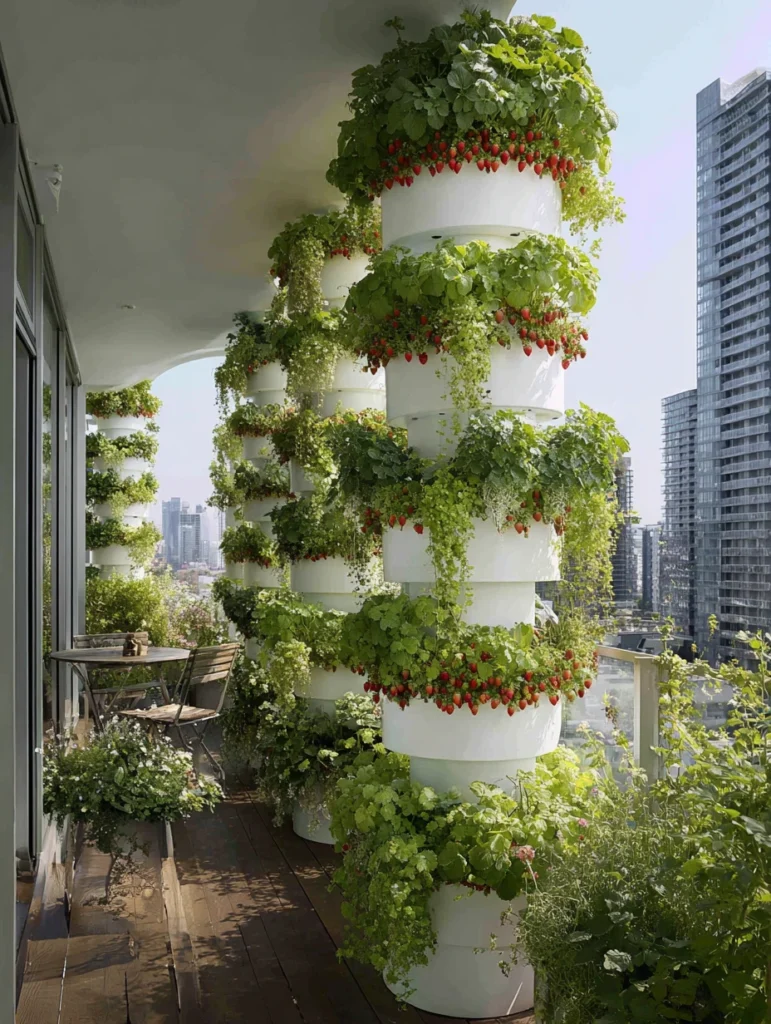
Space-Saving Magic: A vertical tower garden might only take up four square feet of ground space but offer 20+ planting pockets. This approach is ideal for apartment dwellers, individuals with small yards, or anyone seeking to maximize their growing space. You’re essentially creating a three-dimensional garden in a two-dimensional space.
Planting Strategy: Place your thirstiest plants at the top, as water drains downward through the layers. Herbs go great in towers because they don’t compete for water as aggressively as vegetables do. Strawberries look gorgeous cascading down the sides, creating an Instagram-worthy display.
Product Spotlight: The Mr. Stacky Strawberry Planter Tower is designed explicitly for strawberries and herbs, while the Gardman Vertical Planting Tower features five stacking tiers for maximum production.
Read More: Stunning Flower Bed Ideas for the Front of the House
8. Pallet-Based Garden Beds for Budget Gardeners
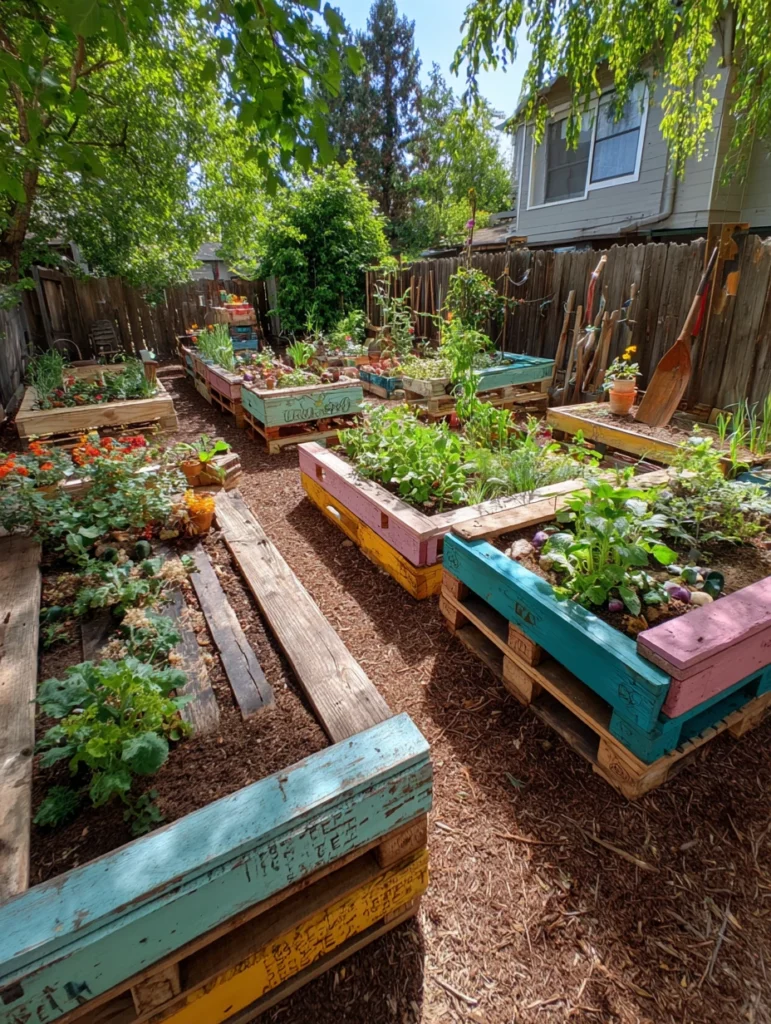
Finding Quality Pallets: Not All Pallets Are Created Equal. Look for pallets marked with “HT” (heat-treated) rather than “MB” (methyl bromide-treated), as the latter involves chemicals with questionable safety concerns. Wooden pallets from food producers or retail stores are generally safe, but avoid those that have been used to transport toxic materials.
Design Flexibility: You can stand pallets vertically for traditional raised beds, lay them flat for shallow planting, or stack them for tiered gardens. Paint them fun colors, leave them natural, or distress them for a rustic vibe. The customization options are literally endless.
Product Spotlight: Wood Pallet Garden Bed Liners protect pallets and significantly extend their life, while Heavy-Duty Landscape Fabric prevents weeds while allowing water drainage through your pallet beds.
Read More: 21 Magical DIY Fairy Garden Ideas for Your Backyard
9. Container Gardens with Raised Placement
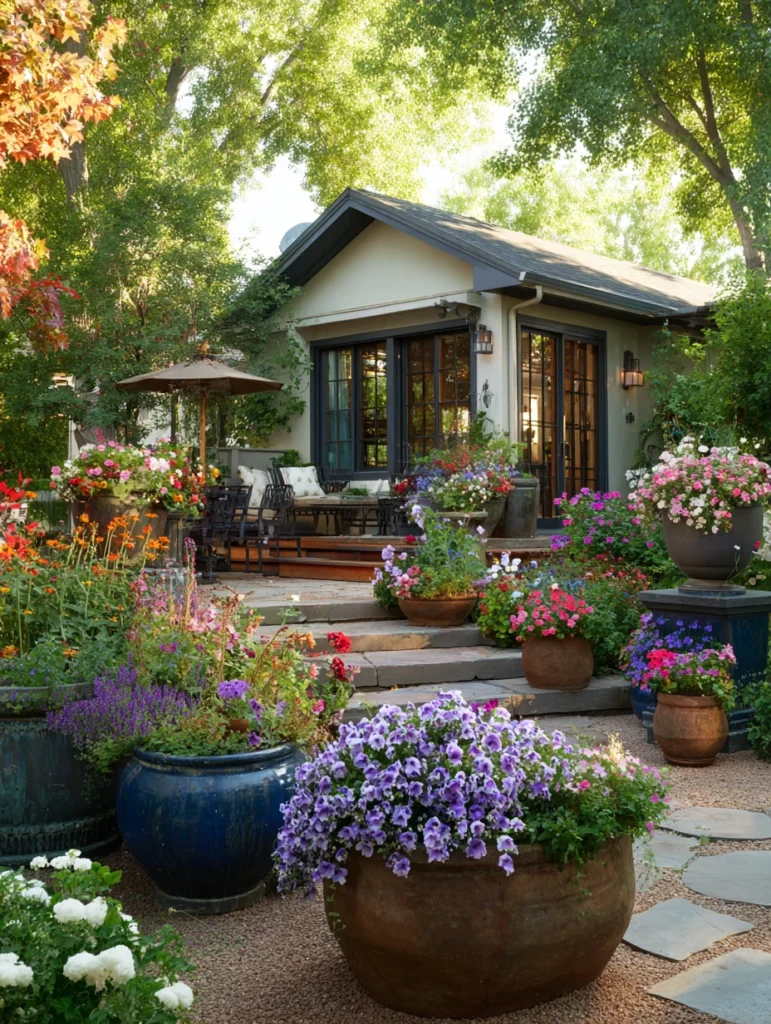
Flexibility and Portability: Container gardens are easily movable, making them ideal for renters or individuals who enjoy experimenting with layouts. You can bring sensitive plants closer to your house for protection or move them to catch more sun. Experiment with different arrangements until you find one that best suits your space and style.
Material and Style Options: Containers are available in a wide range of materials, including ceramic, plastic, concrete, metal, and wood. Mix and match different sizes and styles for an eclectic look, or opt for matching containers for a cohesive, well-designed appearance. The exterior of the container becomes an integral part of your garden design.
Product Spotlight: The Crescent Garden Elevated Planter raises containers to ideal working height while creating a unified look, and Large Decorative Concrete Planters offer that expensive landscape designer aesthetic at reasonable prices.
Read More: How To Create a Beautiful Rose Garden To Inspire You
10. Corner Garden Beds for Awkward Spaces
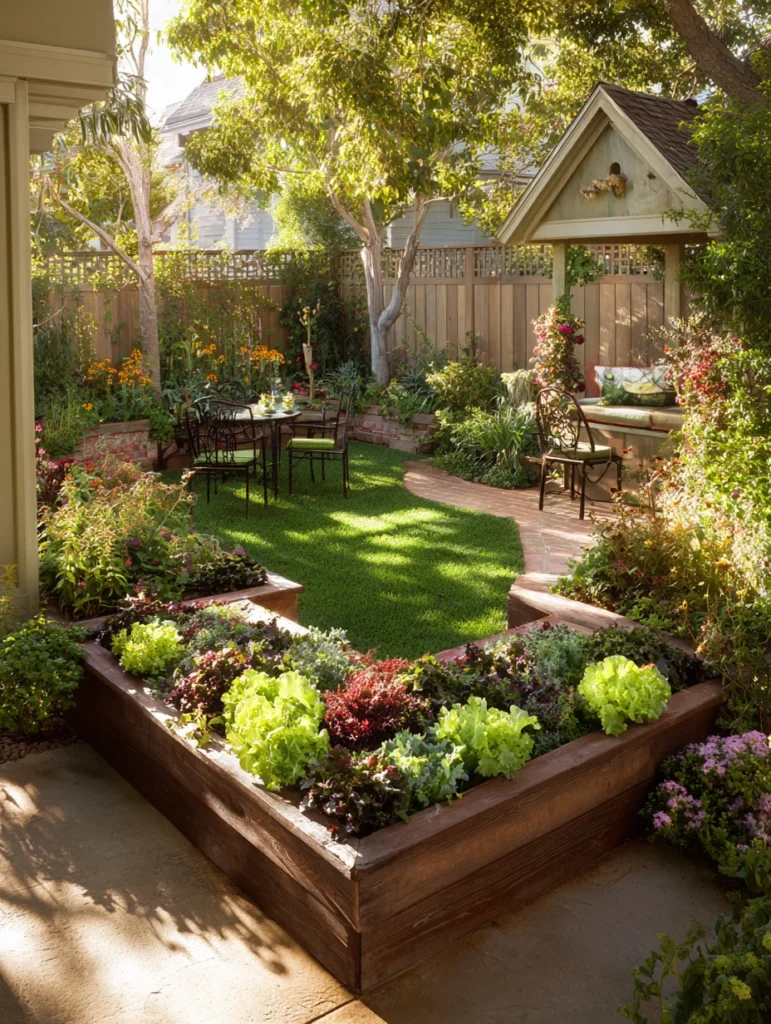
Smart Space Usage: Corner beds work brilliantly behind furniture, along fence lines, or in architectural alcoves. They draw attention to areas that might otherwise feel empty, creating a cohesive garden design that flows naturally through your space. You’re not fighting your layout – you’re working with it.
Building Tips: Corners require a bit more planning than rectangular beds, but it’s absolutely doable. Build a template from cardboard first, testing the fit before you construct the actual bed. This saves the frustration of building something that doesn’t quite work in your exact space.
Product Spotlight: Flex Corner Raised Garden Bed Kits are specifically designed for tricky angles, and Adjustable Corner Garden Beds adapt to your unique space dimensions.
Read More: 21 Japanese Garden Ideas for Serene Outdoor Spaces
11. Wheelchair-Accessible Raised Beds for Inclusive Gardening
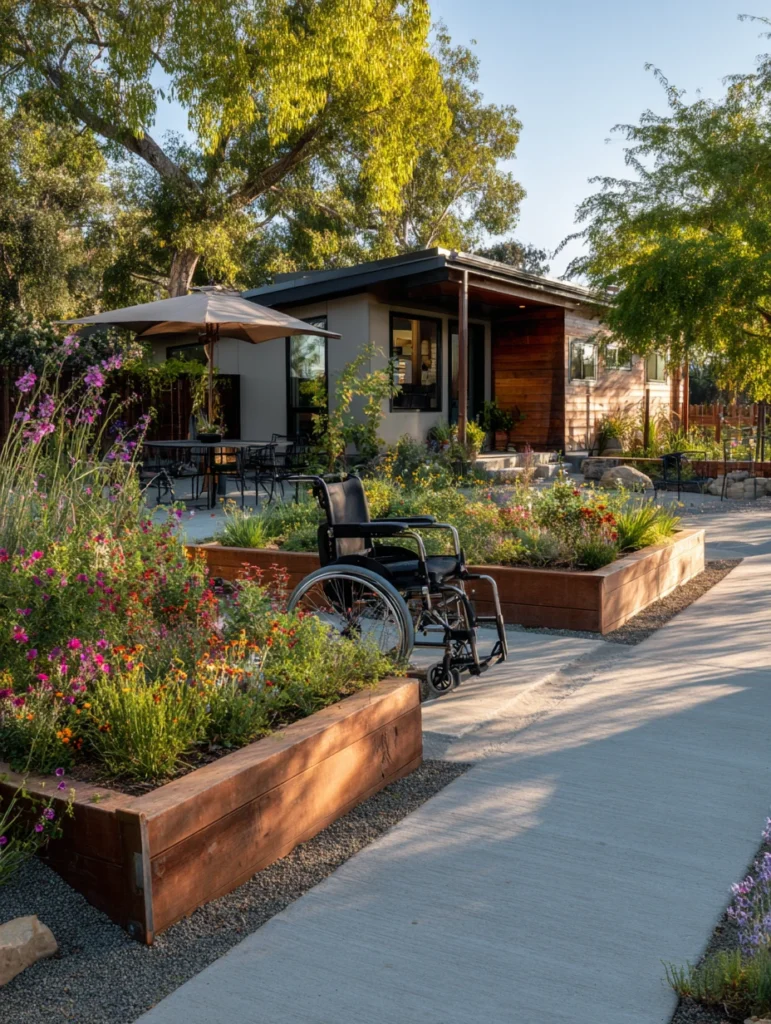
Height Specifications: Standard accessible beds typically sit between 24 and 32 inches high, with a 24-inch width that allows for easy reach from a wheelchair or seated position. Some designs feature notches or cutouts at the front for wheelchair accessibility. Consultation with the people who’ll use the space ensures that you build something that is actually functional, not just theoretically accessible.
Material Choices: Sturdy materials are crucial here because the bed needs to support the leaning and weight distribution that come with accessibility features. Metal or composite materials provide the stability and durability that wood sometimes can’t quite guarantee over the long term.
Product Spotlight: ADA Compliant Raised Garden Bed meets official accessibility standards, and Height-Adjustable Universal Raised Planter Boxes work for gardeners of different heights and mobility levels.
Read More: 21 Stunning Mediterranean Garden Ideas To Inspire You
12. Herb Spiral Gardens for Compact Growing
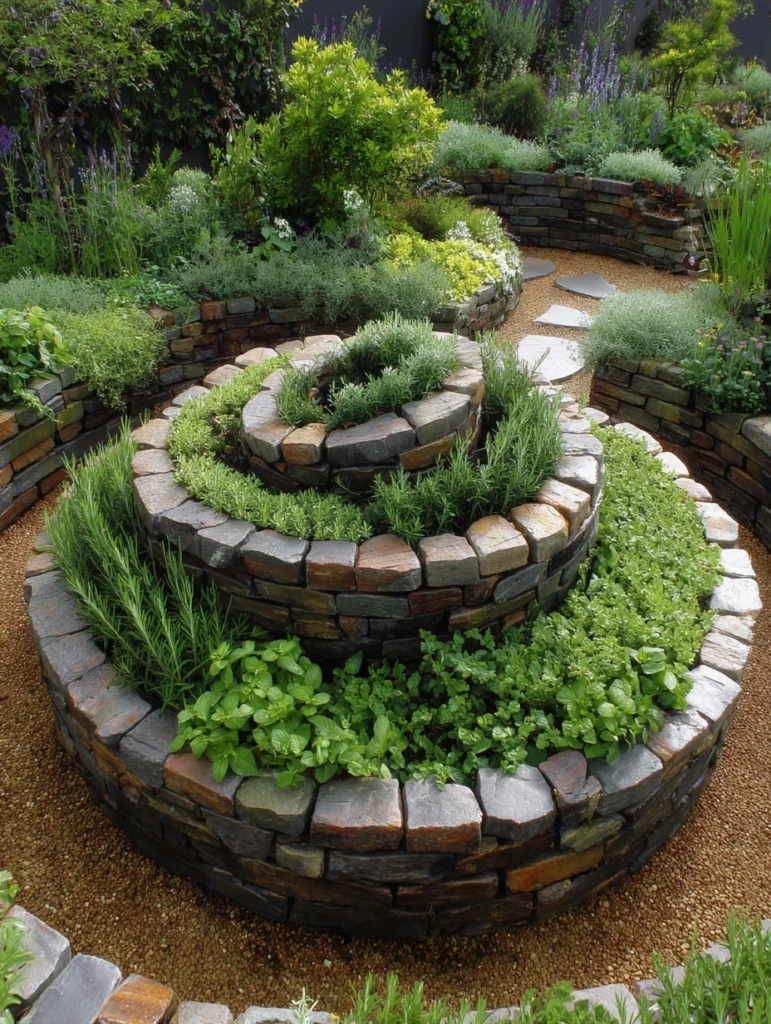
Drainage Magic: The spiral shape creates natural drainage zones, allowing water to flow downward and herbs to self-sort based on their preferences. Rosemary and oregano prefer the drier top sections, while basil and mint thrive in the moister lower sections. This setup means less fussing and more natural plant happiness.
Building and Sourcing: Traditional herb spirals typically use stone or brick in a spiral pattern, although they can also be built with logs, pallets, or composite materials. The DIY approach works beautifully if you’ve got basic building skills, or you can buy pre-made spirals and save yourself the construction headache.
Product Spotlight: The Suncast Herb Spiral Planter delivers professional results without the hassle of construction, and the Stacked Stone Herb Garden Kit provides everything needed to build a beautiful spiral.
Read More: 21 Stunning Italian Garden Ideas That Bring Tuscan Beauty
13. Cold Frame Beds for Extended Growing Seasons
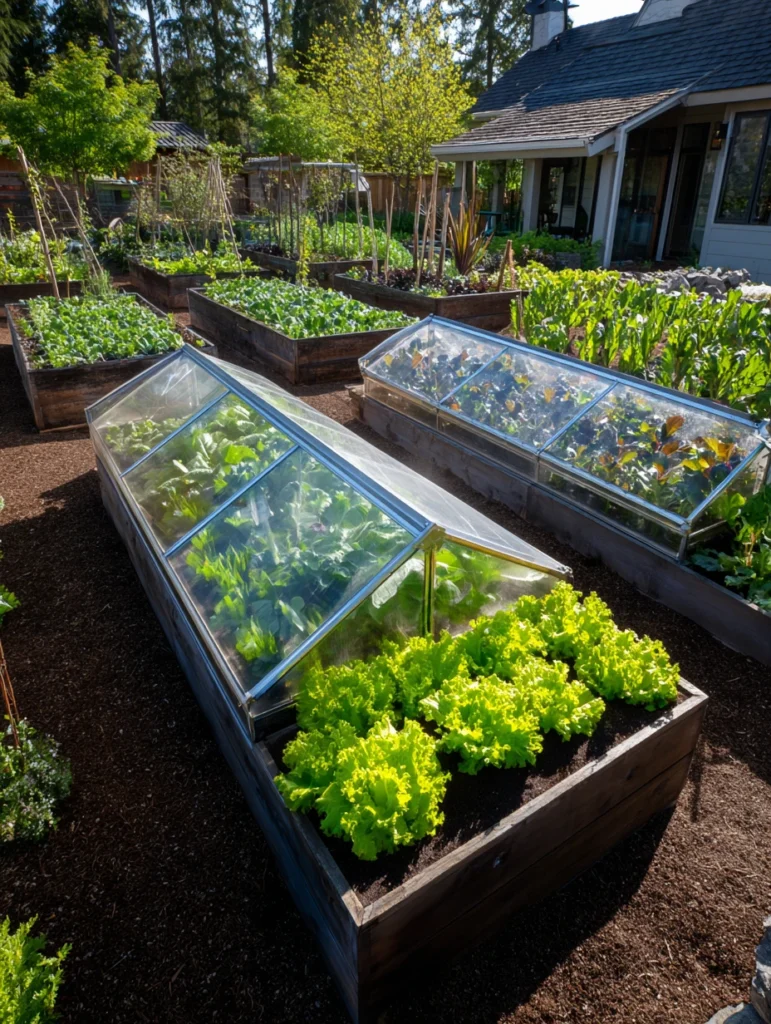
Season Extension: A cold frame can add 4-6 weeks to both spring and fall growing seasons. You’re harvesting fresh lettuce in November and planting in February when everyday gardeners are still looking at frozen ground. The investment makes sense if you’re serious about continuous harvests.
Material Options: Traditional cold frames typically use glass or polycarbonate panels on wooden frames, whereas modern versions often employ aluminum and more transparent plastics. Some even come with automatic venting systems that open panels when it gets too warm inside, preventing the “plant-boiling scenario.”
Product Spotlight: Palram Hybrid Greenhouse offers polycarbonate durability with traditional greenhouse aesthetics, while the Aluminum Frame Cold Frame provides professional-grade season extension at a reasonable price.
Read More: How To Create an English Cottage Garden for Your Flowers
14. Keyhole Gardens for Water Efficiency
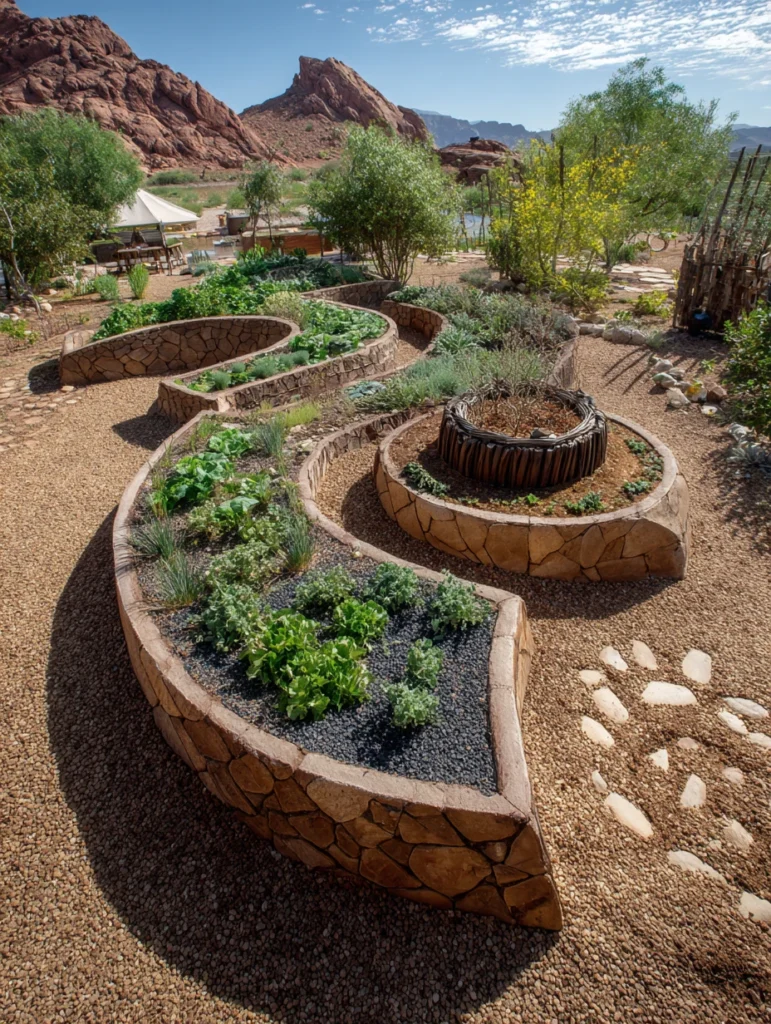
The Clever Design: The circular main planting area combines the benefits of traditional raised beds with a central composting chamber, offering a unique approach. Compost breaks down in the middle, enriching the soil and continuously feeding plants. As compost decomposes, it also improves water retention in the surrounding soil.
Building Considerations: Keyhole gardens require a bit more planning than standard rectangular beds, but the design is totally achievable with basic tools. You’ll want sturdy materials since the basket core adds structural complexity. The payoff is a highly efficient, beautiful garden feature.
Product Spotlight: Keyhole Garden Kit with Basket Core simplifies the building process, and Woven Basket Garden Inserts fit traditional raised beds, creating the composting effect of keyhole gardens.
Read More: 21 Aesthetic Garden Ideas to Transform Your Outdoor Space
15. Sunken Beds for Dramatic Visual Impact
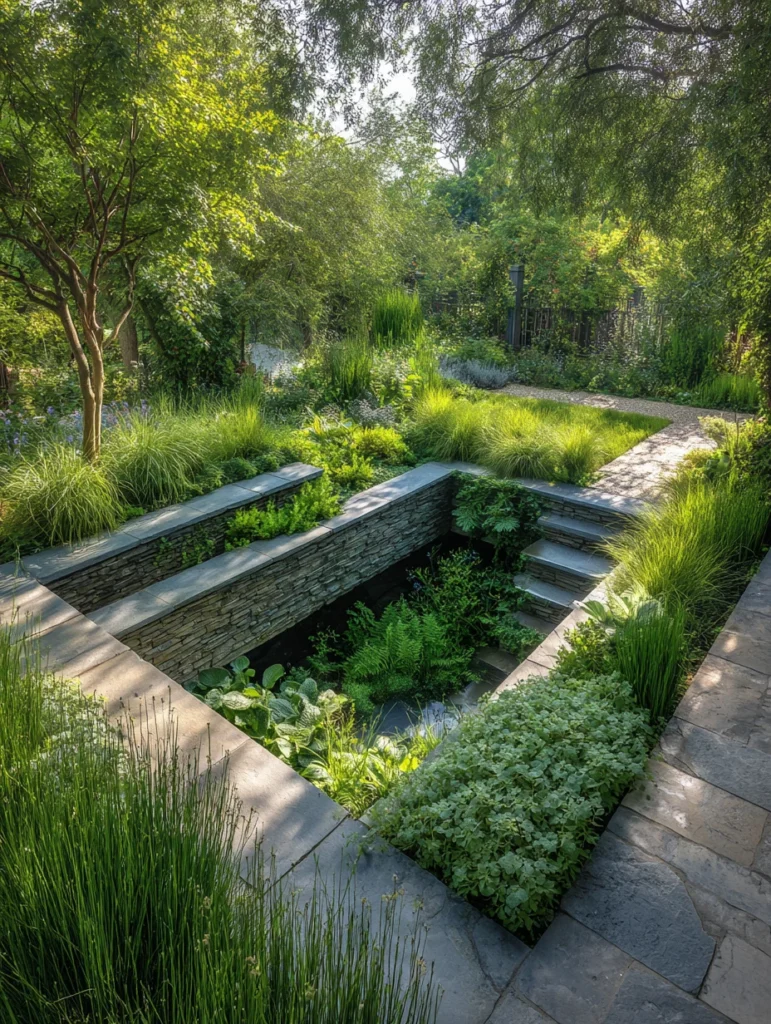
Soil Moisture Advantages: Sunken beds retain moisture better than raised beds because they’re protected from drying winds and benefit from natural groundwater percolation. In arid climates or dry seasons, this makes a significant difference in plant health and watering requirements.
Installation Reality: You’ll need to dig deeper than the average person wants to, which means either doing it yourself with serious commitment or hiring equipment/help. Once done, though, you’ve got a permanent installation that looks intentional and professional. The upfront effort pays dividends in years of low-maintenance gardening.
Product Spotlight: Landscape Edging for Sunken Gardens defines borders and prevents soil collapse, while Permeable Landscape Fabric separates the soil from the surrounding earth, allowing water to flow.
Read More: 21 Beautiful Scottish Garden Ideas Inspired by the Highlands
16. Terraced Garden Beds for Sloped Properties
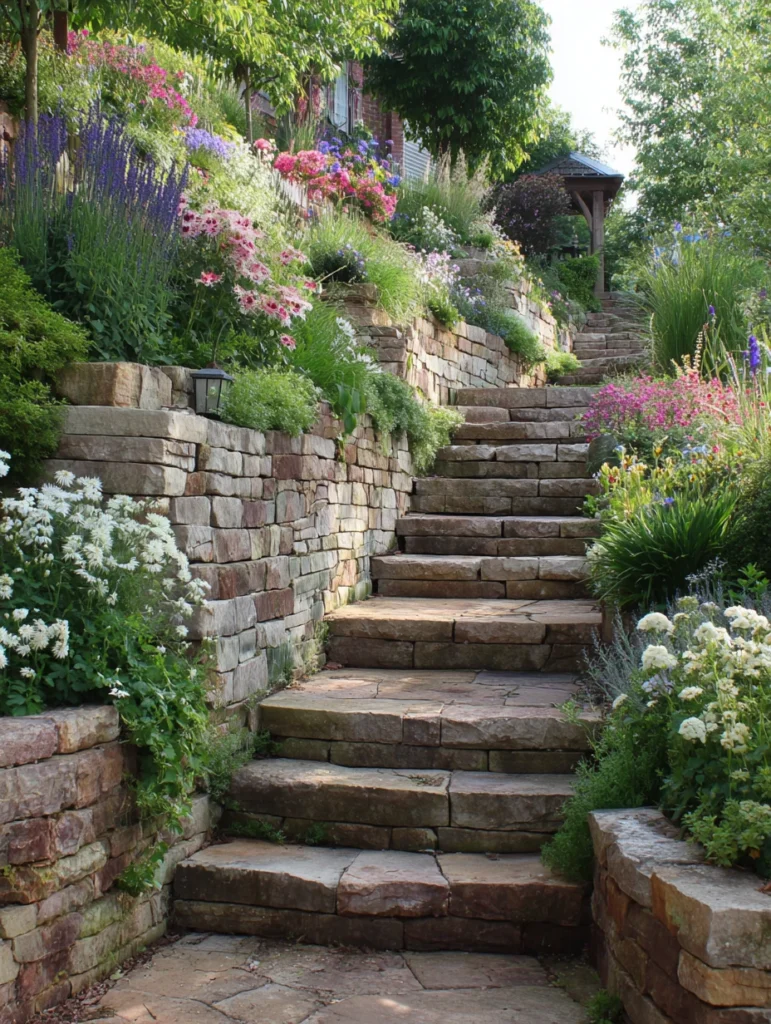
Using Natural Slope: Instead of fighting your property’s grade, terraced beds work with it. Plants at the top receive more sun, while those on lower terraces benefit from increased moisture and afternoon shade. This variation enables you to cultivate diverse crops in various conditions, thereby expanding your growing options.
Retaining Structure: Terraced beds require solid retaining walls to prevent soil from migrating down the slope. Use sturdy materials, such as stone, composite, or metal, rather than flimsy wood. The structure must support the weight of the soil and plants while maintaining proper drainage and erosion control.
Product Spotlight: Retaining Wall Blocks for Terracing come in stackable options that create clean lines, and the Tiered Garden Bed System is specifically engineered for sloped terrain.
17. Rustic Log Beds for Natural Aesthetics
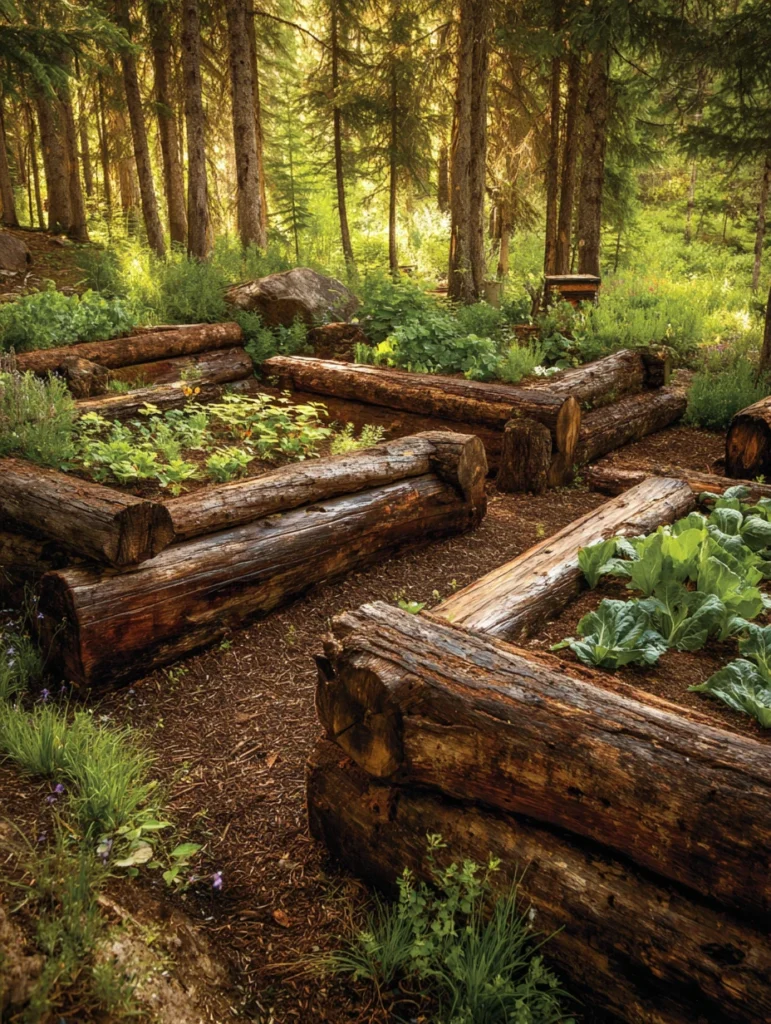
Material Sourcing: Look for logs from fallen trees, arborists, or local lumber suppliers. Cedar, oak, and locust resist rot better than softer woods, significantly extending the life of your beds. Aim for logs 8-12 inches in diameter for standard raised beds or mix sizes for interesting visual variation.
Aesthetic Authenticity: Rustic log beds fit naturally into woodland gardens, cottage-style landscaping, or anywhere you want that authentic, weathered look. They pair beautifully with stone pathways, wildflower plantings, and natural, unmowed-feeling landscapes. The vibe is intentionally untamed rather than manicured.
Product Spotlight: Rustic Log Planter Boxes capture that authentic weathered look without requiring log harvesting skills, and Natural Cedar Garden Bed Logs offer beautiful grain while resisting rot naturally.
18. Geometric Shaped Beds for Contemporary Design
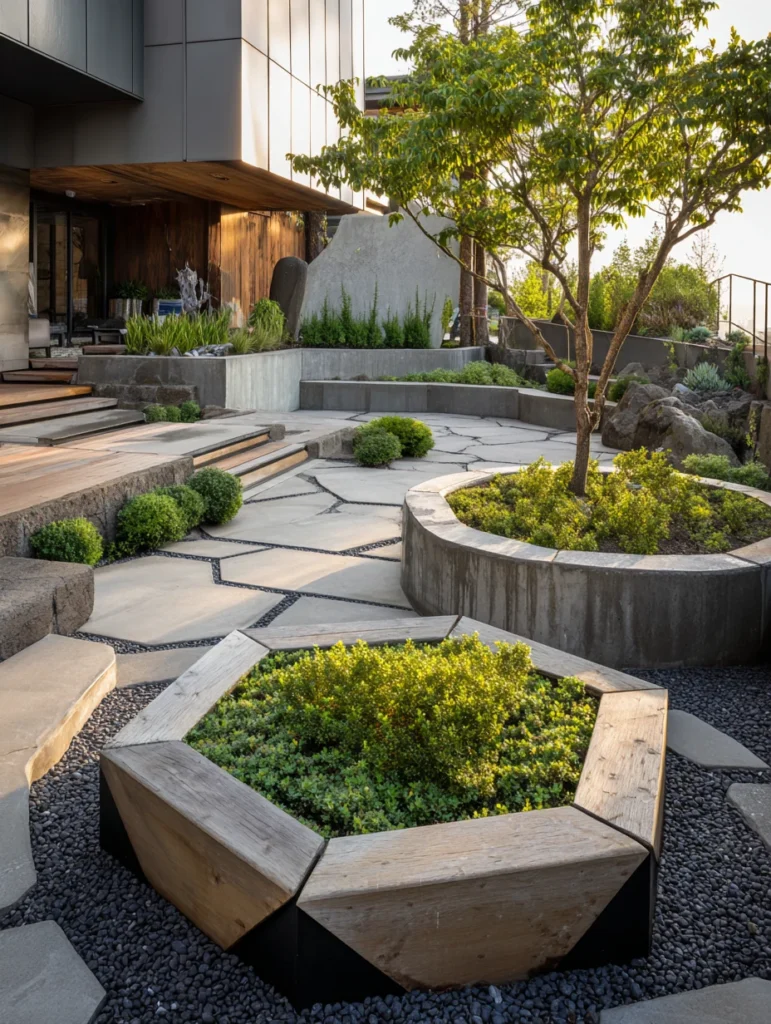
Design Flexibility: Geometric shapes let you work with unusual spaces – islands in the middle of patios, areas alongside curved pathways, or anywhere a rectangle just won’t fit. Multiple geometric beds arranged in patterns create visual rhythm and sophisticated garden design. You’re playing with composition.
Construction Considerations: Complex shapes require a bit more building skill or willingness to purchase pre-made options. The payoff is a garden that looks genuinely designed rather than hastily assembled. Geometric beds signal that you thought about your space and created something intentional.
Product Spotlight: Modular Hexagonal Raised Garden Beds connect to create larger patterns, and Geometric Steel Garden Planters offer crisp lines and contemporary style.
19. Railroad Tie Beds for Industrial Character
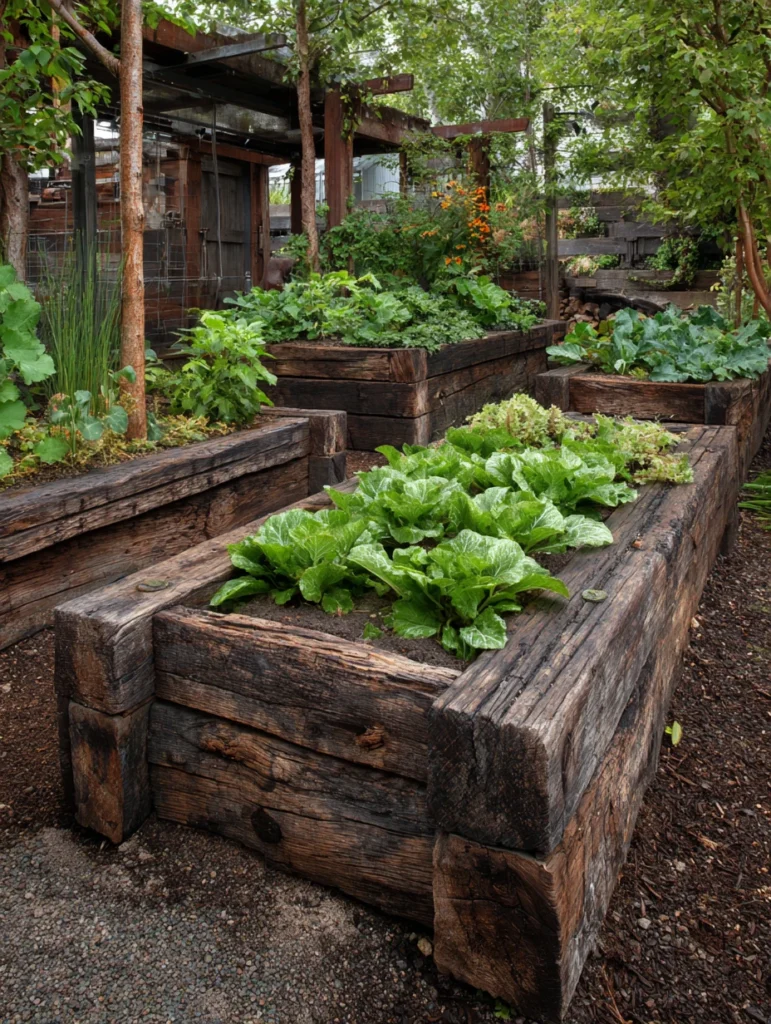
Durability Reality: Railroad ties last literally decades with minimal deterioration. They weather beautifully, developing character lines and a silvery patina over time. The wood is naturally dense and resistant to rot, making it one of the longest-lasting bed materials available.
Environmental Consideration: While recycled railroad ties represent sustainable material reuse, older ties were treated with creosote, which some gardeners worry may be harmful in vegetable gardens. New or untreated ties avoid this concern entirely. Research your source before purchasing to ensure you’re comfortable with the material used.
Product Spotlight: Reclaimed Railroad Tie Garden Beds offer authentic character from actual used ties, while the Treated Timber Railroad Tie Alternative provides the look without concerns about creosote.
20. Mixed Material Beds for Eclectic Style
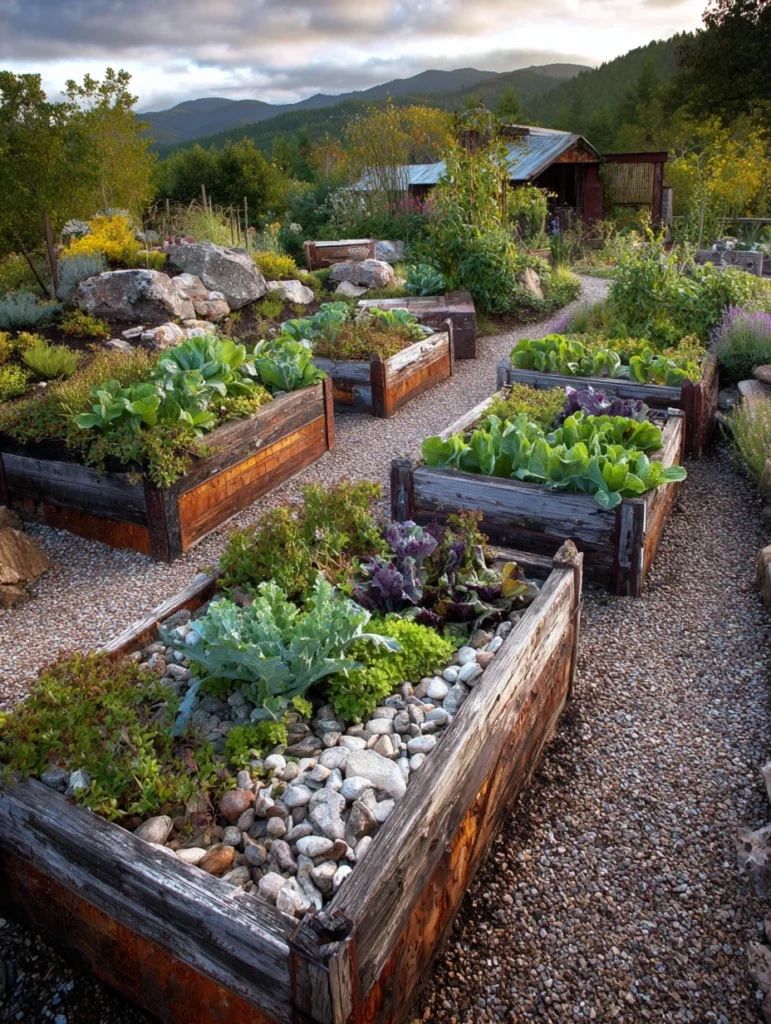
Design Combinations: Pair wooden frames with metal corners and stone accents for a unique and stylish look. Mix composite and reclaimed wood. Use galvanized metal with terrazzo inlays. The combinations are limited only by your imagination and structural integrity. Well-executed mixed material beds look expensive and designer-inspired.
Practical Considerations: Different materials expand and contract at slightly different rates, so a solid construction is necessary to accommodate this movement. Secure connections matter more with mixed materials than with single-material builds. When done right, though, the visual impact is totally worth the construction complexity.
Product Spotlight: Mixed Material Raised Garden Bed Kits combine multiple finishes in a single unit, and Composite and Metal Hybrid Planter Boxes offer the look of mixed materials without the DIY construction headaches.
21. Modern Minimalist Beds for Clean Aesthetics
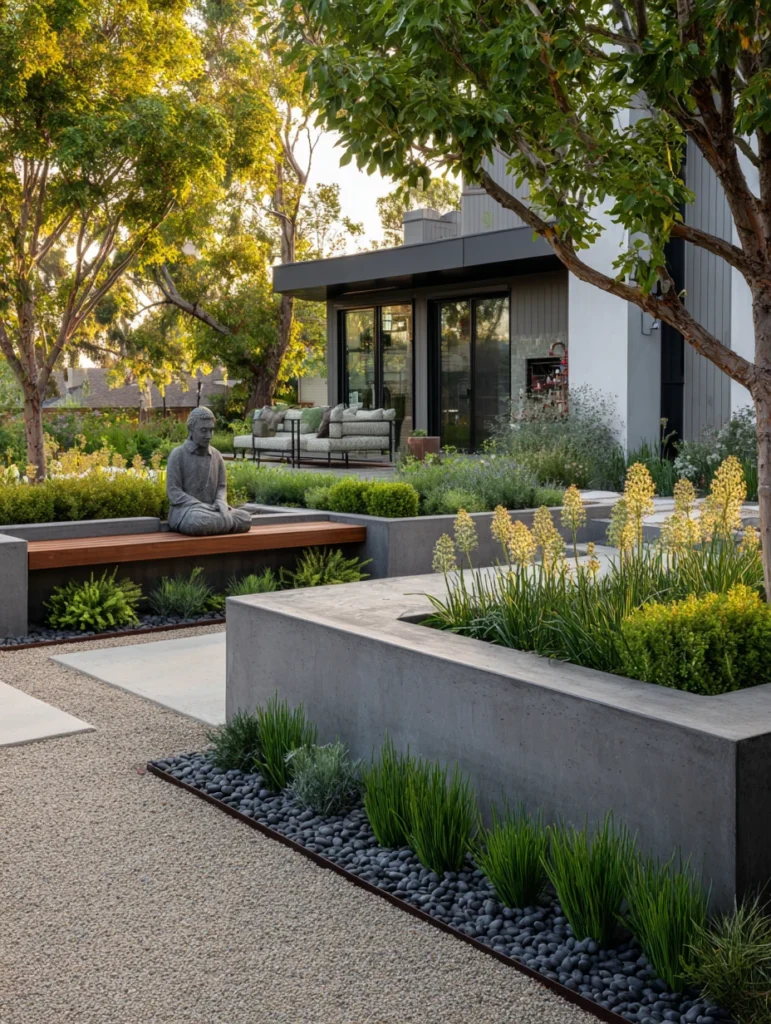
Design Philosophy: Modern minimalist beds prioritize both function and form, eschewing ornamentation. Neutral colors, such as grays, charcoal, and warm taupe, blend into their surroundings or create a striking contrast with plantings. The beds themselves almost disappear, allowing plants to become the focal point rather than the containers holding them.
Plant-Focused Presentation: Without decorative elements, minimalist beds really showcase what you’re growing. Neat rows of lettuce or architectural plants become the design elements. This approach works beautifully for anyone who loves clean aesthetics and straightforward functionality.
Product Spotlight: The Sleek Minimalist Composite Raised Bed offers elegant simplicity with zero maintenance, and Contemporary Steel Frame Garden Beds create sharp lines and a sophisticated European aesthetic.
Final Thoughts
There you have it – twenty-one ways to build a garden that looks as good as it produces. The best raised bed design is one that fits your space, matches your style, and actually works for your gardening needs. Some of these require serious building skills, while others come ready to fill and plant.
Start with what calls to you, and remember – there’s no wrong answer here, just different approaches to creating something beautiful and functional. Your garden’s waiting, and honestly, it’s time to get started.